
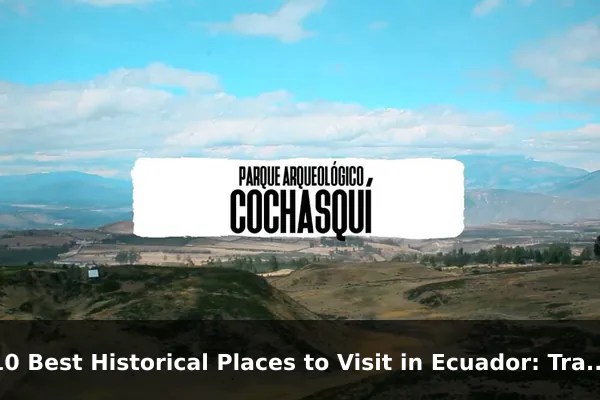
Ecuador is often planned around volcanoes, islands, and cloud forests, but its historical places are just as rewarding for travelers who want context behind the landscapes. This article should focus on heritage-rich sites where pre-Columbian, Inca, colonial, republican, and community histories are visible through architecture, archaeology, streetscapes, museums, and local guiding.
To keep the angle distinct from a general Ecuador adventure guide, the recommendations should prioritize cultural meaning, visitor access, and practical planning. The route can work as a standalone heritage itinerary or as a set of add-on stops for travelers already visiting Quito, Cuenca, the central Andes, Manabí, Guayaquil, or southern Ecuador.
Historic Center of Quito
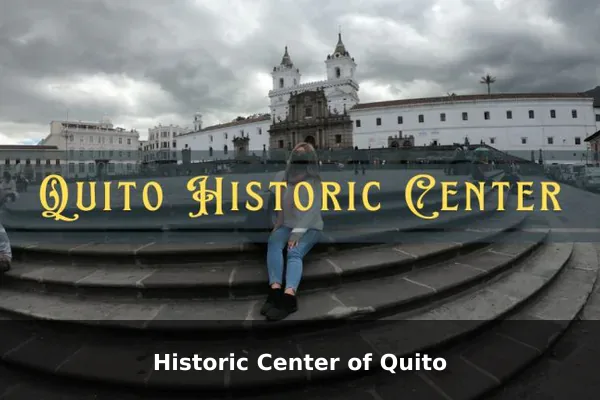
Quito’s historic center is Ecuador’s essential first stop for anyone drawn to the colonial Andes. Inscribed by UNESCO as one of the best-preserved historic capitals in Latin America, its dense grid of plazas, churches, convents, and civic buildings rises directly over earlier Andean settlement, layering Spanish, Indigenous, and republican history into a single walkable core.
From Plaza Grande you can fan out to landmark churches, monastery courtyards, and narrow stone streets where daily city life still unfolds among the monuments. Look for the contrast between austere convent facades and lavishly decorated interiors, climb a bell tower or viewpoint for rooftop panoramas, and notice how Andean motifs surface within otherwise European architecture.
Travel tip: Start at Plaza Grande and walk with a local guide or reputable walking tour, especially if you want to understand church interiors, historic streets, and safe routes between landmarks.
Best time to visit: Dry-season mornings from June to September, ideally Tuesday to Friday between 9:00 and 11:30 before afternoon rain or crowds build.
Ticket price: Free to walk the historic center; individual churches, museums, towers, and guided tours usually charge separate fees.
Church of La Compañía de Jesús, Quito
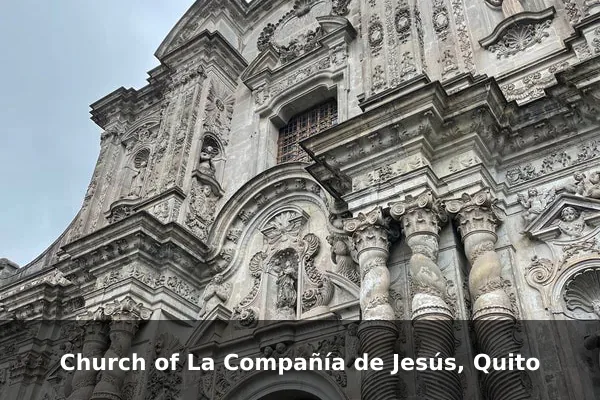
La Compañía de Jesús holds one of the finest Baroque interiors in the Americas and is the single most concentrated expression of Quito’s colonial artistry. Worth visiting for its astonishing gilded nave, it shows how European Baroque models were reinterpreted by Indigenous and mestizo craftsmen of the Quito School over many decades of construction.
Inside, visitors can study the gold-leafed altars, carved ceilings, and painted detail that blend Christian iconography with subtle Andean symbolism, including plant and geometric motifs woven into the ornamentation. Take time to look upward at the domes and follow how light moves across the gilding, which shifts the room’s character through the day.
Travel tip: Check photography rules at the entrance and dress respectfully because it remains a religious site as well as a major visitor attraction.
Best time to visit: Weekday mornings, especially Monday to Friday around opening time, when the church is quieter and the gilded interior is easier to appreciate.
Ticket price: Official listed foreign adult entry is about US$6, with dome or crypt access usually charged as add-ons; verify current rates before visiting.
Ingapirca Archaeological Complex, Cañar
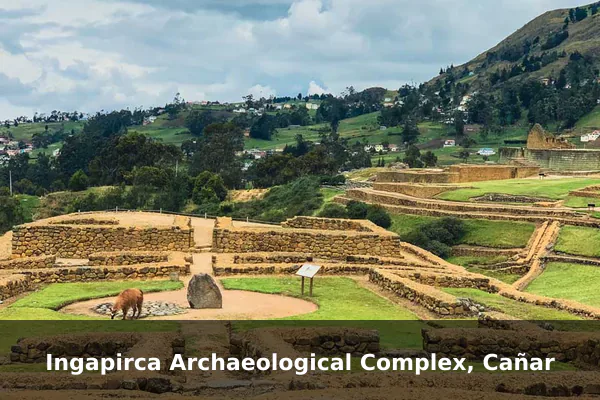
Ingapirca is Ecuador’s best-known archaeological site and a rare place where Inca and earlier Cañari history meet on the same ground. It rewards a visit because the surviving stonework, especially the elliptical Temple of the Sun, makes pre-Columbian power, ceremony, and Andean engineering tangible in a way few other Ecuadorian sites can match.
Walking the complex, you can trace finely fitted Inca masonry, ritual and astronomical alignments, storage structures, and traces of Cañari occupation that predate Inca control. An on-site museum and interpretive paths help explain how the location functioned for ceremony and administration, set against open highland scenery worth lingering over.
Travel tip: Reserve ahead when required, bring your passport or ID for ticket categories, and carry a windproof layer because the site sits at high altitude.
Best time to visit: Wednesday to Sunday in the morning, preferably during the drier months from June to September; official visiting hours can change, so confirm before travel.
Ticket price: Official adult entry is commonly listed around US$2, with reduced or free categories for children, students, older adults, and visitors with disabilities when ID is presented.
Qhapaq Ñan Heritage Route from Achupallas to Ingapirca
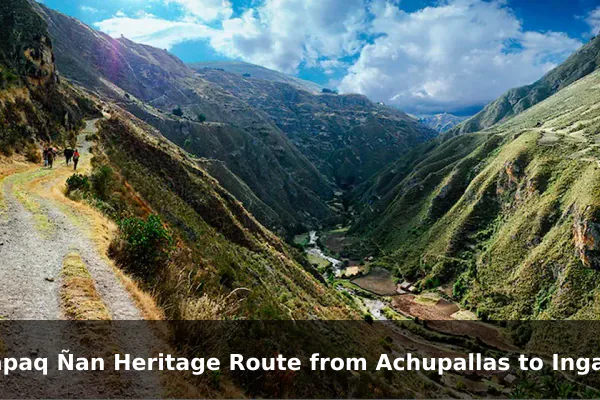
This route lets travelers walk a genuine surviving stretch of Ecuador’s section of the Qhapaq Ñan, the UNESCO-listed Andean Road System that once linked the entire Inca world. It is the strongest option for those who want heritage as a journey rather than a single monument, ending fittingly at the ruins of Ingapirca.
Over the multi-day trek you can follow original paved segments, ascend high passes, and pass lakes, paramo grasslands, and remote communities far from road access. Watch for old causeways and retaining walls along the path, and use the steady rhythm of the walk to appreciate the scale and ambition of Inca highland infrastructure.
Travel tip: Book with a licensed local guide or community operator because this is a high-altitude route where navigation, weather, transport pickup, and camping logistics matter.
Best time to visit: Dry season from June to September, with early starts each day to avoid afternoon cold, fog, or storms in the highlands.
Ticket price: No single standard ticket applies; guided trek prices vary by route length, transport, camping support, meals, and group size.
Historic Center of Santa Ana de los Ríos de Cuenca
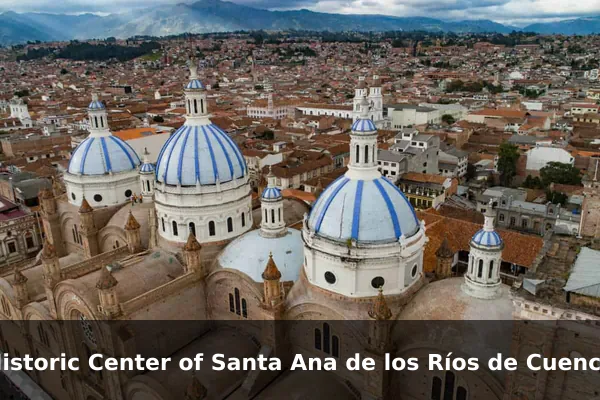
Cuenca’s historic center is a UNESCO-listed colonial city that rewards slow exploration far from Quito’s busier core. Founded on a formal Spanish grid yet shaped by Andean geography and rivers, it pairs harmonious low-rise streetscapes and landmark churches with later craft traditions that still give the city its distinctive character.
Visitors can circle Parque Calderón beneath the domes of the new cathedral, explore the older cathedral and religious buildings nearby, and wander Calle Larga before descending to the green Tomebamba riverfront. Along the way, watch for marble facades, wrought-iron balconies, artisan workshops, and the everyday markets that keep the historic core lived-in rather than purely monumental.
Travel tip: Plan a slow walking loop around Parque Calderón, the cathedral area, Calle Larga, and the Tomebamba riverfront rather than trying to see the city only from a bus tour.
Best time to visit: Weekday mornings or late afternoons in the dry season from June to September; December is also atmospheric but busier because of local festivities.
Ticket price: Free to walk the historic center; cathedral access, museum visits, and specialist guided tours may charge separate fees.
Pumapungo Archaeological Park and Museum, Cuenca
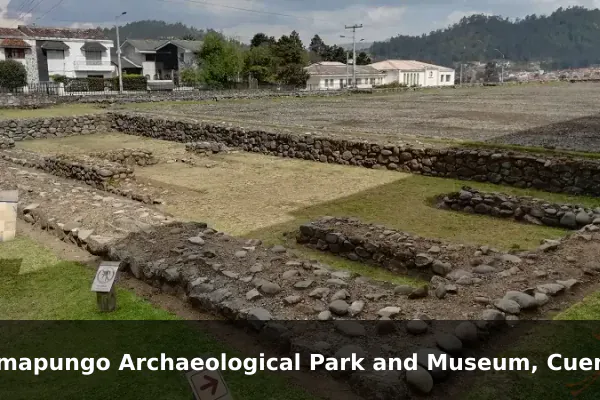
Pumapungo is worth visiting because it lets you experience Cuenca’s Inca past directly within the city, where excavated terraces and stone foundations sit beside a museum that frames them within Ecuador’s broader Indigenous and cultural story. The pairing of open-air ruins with curated exhibits gives the site a depth that few urban heritage stops in the southern highlands can match.
Inside the museum you can explore ethnographic galleries covering Ecuador’s diverse peoples, religious art, and archaeological finds, while the surrounding park reveals reconstructed Inca walls, agricultural terraces, and a garden of native and traditional plants. Walking the grounds you can also notice an aviary and birdlife along the river edge, giving a sense of how this ceremonial and administrative center once functioned.
Travel tip: Visit the museum before walking the archaeological park so the terraces, walls, and reconstructed garden make more sense on-site.
Best time to visit: Tuesday to Friday in the morning or early afternoon; typical listed hours are weekdays and shorter weekend hours, but confirm before arrival.
Ticket price: Admission is generally listed as free.
Cochasquí Archaeological Park, Pichincha
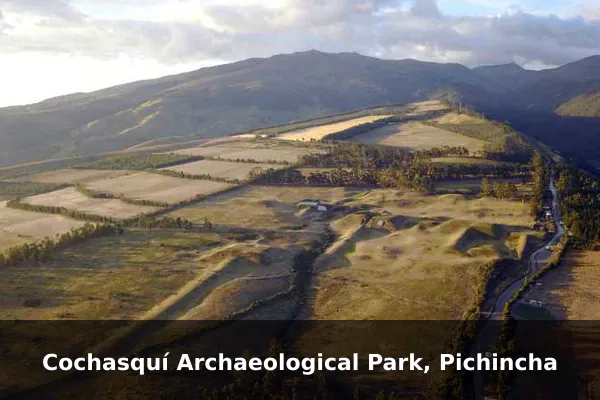
Cochasquí stands out as one of Ecuador’s most significant pre-Inca landscapes, where flat-topped truncated pyramids and burial mounds known as tolas spread across a high Andean plateau. The site predates the Inca presence and offers a rare chance to read the engineering and astronomy of the Caranqui-Cara cultures rather than the more familiar Inca narrative.
Here you can walk among the grass-covered pyramids with a local guide, take in sweeping highland views that on clear days reach toward Quito and surrounding volcanoes, and visit the interpretation areas that explain the site’s ceremonial and possible astronomical functions. The exposed terrain and altitude make it a place to move slowly, observe the layout of the mounds, and appreciate how the builders shaped the land.
Travel tip: Bring sun protection, a warm layer, and water because the site is exposed at altitude and most of the visit is outdoors.
Best time to visit: Clear dry-season mornings from June to September; official hours are commonly listed from 8:00 to 16:30 daily.
Ticket price: Official listed rates are about US$3 for foreign visitors, US$1 for adults, and US$0.50 for children; camping costs extra.
Agua Blanca Community Archaeological Museum, Manabí
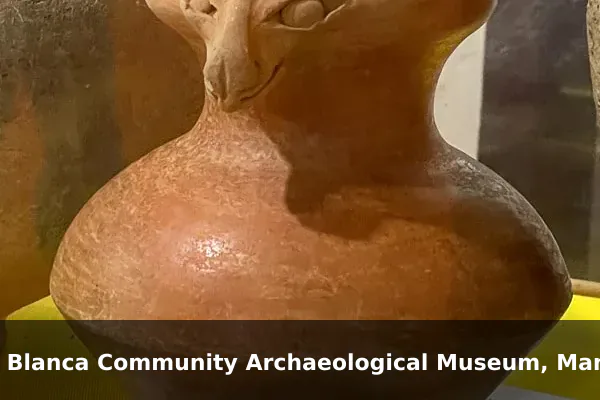
Agua Blanca offers something different from a conventional ruin: a community-run heritage experience inside Machalilla National Park, where the descendants of the Manteño culture share their own archaeology and living traditions. Visiting supports the village directly and gives you context that pre-packaged coastal tours rarely provide.
You can tour a small museum displaying Manteño ceramics and stone seats, walk with local guides through archaeological remains and the surrounding dry forest, and reach a sulfur lagoon traditionally valued for its waters. Taking time with the community, rather than rushing through, lets you notice how daily life, craft, and heritage remain woven together in this part of the Manabí coast.
Travel tip: Bring cash for the community entrance and guide, and allow time for the museum, archaeological remains, and the village rather than treating it as a quick beach detour.
Best time to visit: June to November offers cooler coastal weather; arrive in the morning to avoid the strongest heat and to support easier guide availability.
Ticket price: Prices vary by community services and guide arrangements; expect a modest community entrance or guiding fee and verify locally.
Tulipe Archaeological Complex, Nanegalito
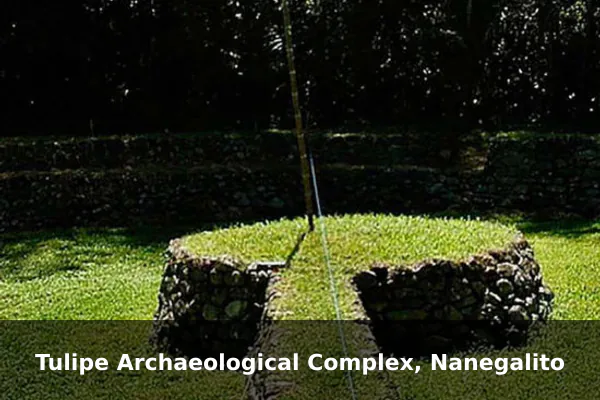
Tulipe is a rewarding stop for travelers who want a lesser-known site, preserving the legacy of the Yumbo culture in the cloud forest northwest of Quito. Its series of stone-lined sunken pools, thought to have served ceremonial and possibly astronomical purposes, make it one of the more intriguing pre-Hispanic landscapes near the capital.
At the complex you can examine the geometric pools and platforms, visit the on-site interpretation center that explains Yumbo trade routes and beliefs, and take in the humid, green setting that shaped this culture. The surrounding cloud forest adds to the experience, so you can pair the archaeology with the quiet, misty atmosphere that defines the Nanegalito area.
Travel tip: Use private transport or confirm bus connections in advance because the site is outside central Quito and rural schedules can be limited.
Best time to visit: Wednesday to Sunday from 9:00 to 17:00, with morning visits best for cooler weather and easier return travel to Quito.
Ticket price: Official Quito museum-system information lists entry as free during established opening hours.
Zaruma Historic Center and El Sexmo Mine, El Oro
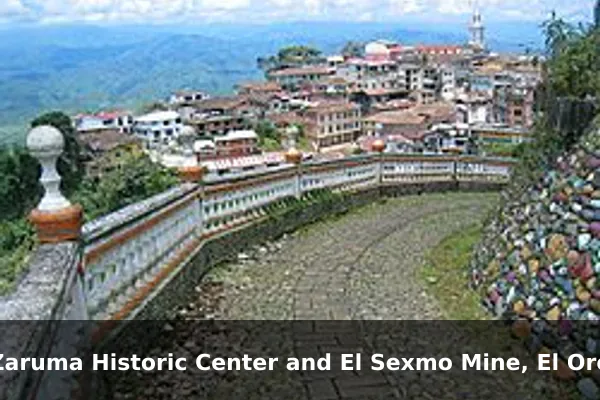
Zaruma closes the route with a southern Ecuador perspective rooted in gold-mining history rather than the well-trodden UNESCO highlights of Quito and Cuenca. This hillside town preserves wooden colonial-era architecture and steep, winding streets that reflect centuries of mining wealth and adaptation to the mountainous terrain.
You can wander the historic center to admire painted timber houses, balconies, and a distinctive church, then turn to the area’s mining legacy at sites such as El Sexmo, where heritage tours interpret the gold extraction that built the town. Throughout the visit you can notice how the landscape, architecture, and local identity remain shaped by Zaruma’s enduring connection to the mines.
Travel tip: Wear comfortable shoes for steep streets and confirm mine-tour availability locally before arriving, especially if visiting outside weekends or with a group.
Best time to visit: Dryer months from June to November, with morning or late-afternoon walks for softer light and more comfortable temperatures.
Ticket price: Free to explore the historic center; mine, museum, or guided heritage-tour prices vary by operator and availability.
Official references
- Ecuador Travel – Ministry of Tourism official international site – Official Ecuador tourism guidance for entry requirements, Galapagos visitor rules, health insurance, safe travel tips, and trip logistics.
- UNESCO World Heritage Centre – City of Quito – Primary World Heritage reference for Quito's historic centre, with historical context, significance, and conservation details.
- UNESCO World Heritage Centre – Historic Centre of Santa Ana de los Rios de Cuenca – Primary World Heritage reference for Cuenca's historic centre, including its urban history, architecture, and heritage criteria.
- UNESCO World Heritage Centre – Qhapaq Nan, Andean Road System – Primary reference for the multinational Inca road system, useful for Ecuador's Andean heritage and Ingapirca context.
- Instituto Nacional de Patrimonio Cultural – Complejo Arqueologico Ingapirca – Official Ecuadorian heritage authority page for Ingapirca, with historical facts, visitor hours, reservation guidance, and site rules.
