
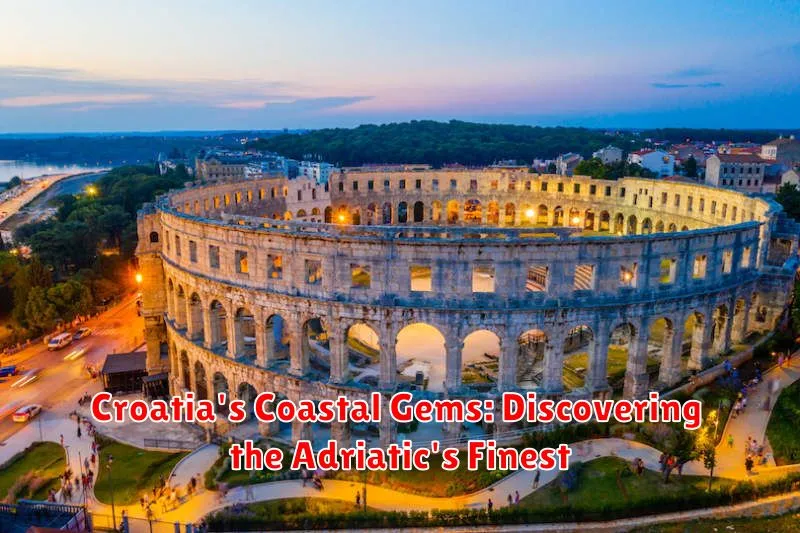
Welcome to the dazzling world of Croatia’s Coastal Gems, where the shimmering Adriatic Sea kisses the land with azure waves and untouched beauty. This enchanting stretch of coastline is peppered with picturesque towns, ancient architecture, and vibrant culture, making it one of the world’s most sought-after destinations for travelers seeking both relaxation and adventure. Our journey will take you through an exploration of hidden coves, historic cities like Dubrovnik and Split, and the warm hospitality of the Croatian people.
The allure of the Adriatic is undeniable, offering a perfect blend of natural beauty and cultural richness. From the charming fishing villages of Istria to the sun-drenched islands of the Dalmatian Coast, each stop along this magnificent route unveils a new facet of Croatia’s diverse landscape and its age-old charm. Prepare to immerse yourself in captivating tales of history, indulge in exquisite Dalmatian cuisines, and revel in the stunning vistas that only Croatia can offer. Join us as we discover what makes Croatia’s coastline truly one of the Adriatic’s finest treasures.
Dubrovnik
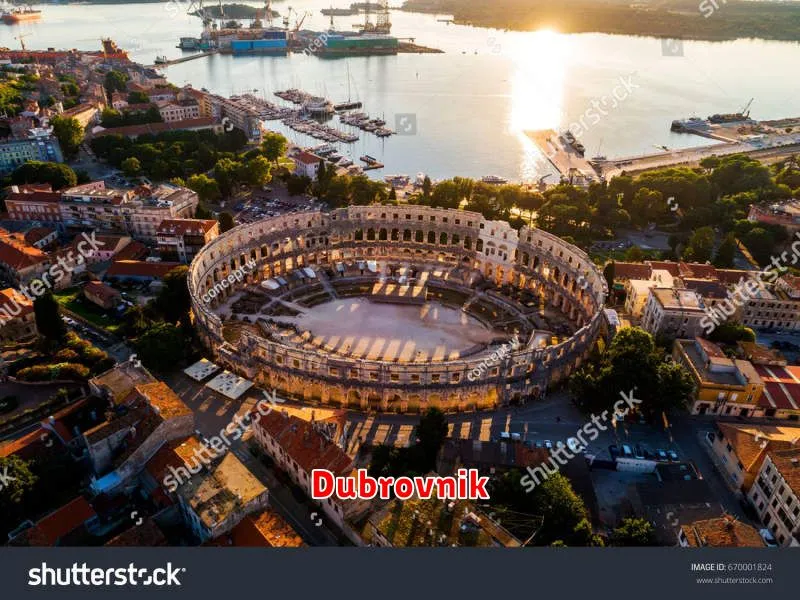
Perched on the southeastern coast of Croatia, the enchanting city of Dubrovnik is a living testament to the country’s rich history and captivating beauty. With its well-preserved medieval architecture, warm Mediterranean climate, and stunning Adriatic backdrop, Dubrovnik has rightfully earned its reputation as the “Pearl of the Adriatic.”
Historic Old Town
The heart of Dubrovnik is its Old Town, a UNESCO World Heritage Site surrounded by massive stone walls. These walls, which date back to the 10th century, offer breathtaking views and a chance to walk in the footsteps of ancient warriors who once guarded the city. As you stroll through the narrow cobblestone streets, you’ll discover a blend of history and modernity in attractions such as the Rector’s Palace and the Franciscan Monastery, home to one of the oldest pharmacies in the world.
Notable Landmarks
Visitors won’t want to miss the iconic Stradun, Dubrovnik’s main street, which is lined with shops, cafes, and historic buildings. Another must-see is the Lovrijenac Fortress, located just outside the city walls. This fortress not only offers panoramic views of the Adriatic Sea but also hosts cultural events, including concerts and theater performances.
Events and Festivals
Dubrovnik is also famous for its rich cultural landscape, which comes alive during the Dubrovnik Summer Festival. Held annually, this festival features a wide range of music, theater, and dance performances set against the stunning backdrop of the city’s historic sites. For film enthusiasts, the city is known as a filming location for the legendary Game of Thrones series, which adds a modern touch to its timeless allure.
For those looking to experience the crystal-clear waters of the Adriatic Sea, Dubrovnik offers several beautiful beaches such as Banje Beach and Lapad Bay, where you can relax under the Mediterranean sun or engage in various water sports.
Quick Facts About Dubrovnik
| Aspect | Detail |
|---|---|
| Population | Approximately 42,000 |
| Climate | Mediterranean |
| Main Industry | Tourism |
| UNESCO Status | World Heritage Site |
Plitvice Lakes National Park
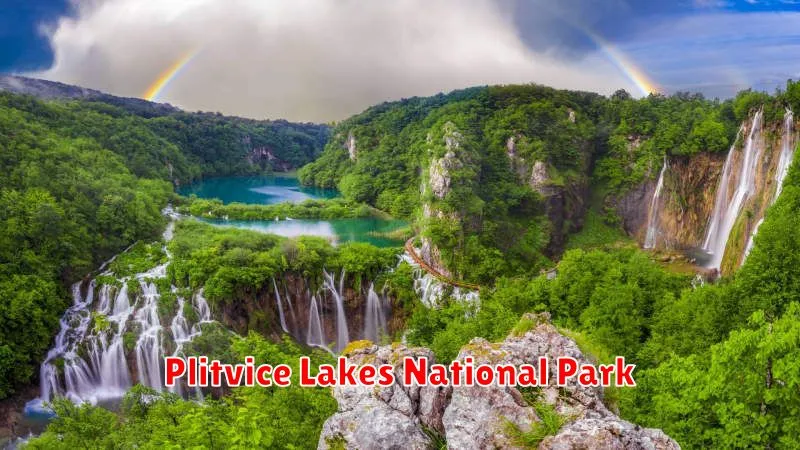
One of the most stunning natural parks in the world, Plitvice Lakes National Park is a mesmerizing tapestry of lakes, waterfalls, and lush greenery, creating a paradise that looks almost too perfect to be real. Located in the heart of Croatia, this national park is not just about postcard-perfect views but also a significant part of the country’s ecological heritage.
The Cascade of Sixteen Lakes
The park is most famous for its sixteen interconnected lakes, which are divided into two sections – the Upper and Lower lakes. Each lake boasts its unique hue of turquoise, green, or blue, reflecting the sun’s dance across the rippling surface. The constant flow of water creates a dynamic and evolving landscape, ensuring that no two visits are ever the same.
Wildlife and Flora
Plitvice is a haven for biodiversity, home to a plethora of plant and animal species. With over 1,200 plant types, including beautiful orchids and rare ancient forest trees, the park is a botanist’s dream. Wildlife enthusiasts might spot deer, bears, wolves, and a diverse array of bird species that find habitat within its boundaries.
Visitor Experience
Visitors can explore the park’s expansive network of walkways and bridges, bringing them close to the thunderous rush of water and the tranquility of serene lake surfaces. Whether you’re taking a quiet stroll along well-marked paths or enjoying a boat ride across the lakes, there is no shortage of ways to experience the park’s splendor.
Quick Facts
| Established | 1949 |
|---|---|
| Total Area | 296.85 km² |
| UNESCO World Heritage Site | Yes (since 1979) |
Plitvice Lakes National Park is a must-see destination for anyone seeking the serenity of natural beauty and the thrill of exploration. It is not only a crown jewel of Croatia’s natural wonders but also a testament to the incredible diversity of landscapes the Adriatic region has to offer.
Split
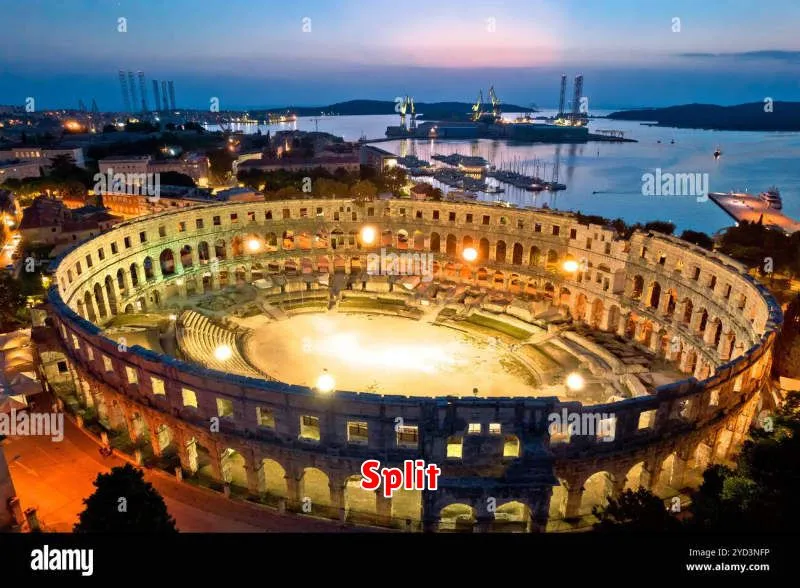
As one of Croatia’s most vibrant cities, Split seamlessly fuses ancient history with a lively modern atmosphere. Nestled on the central coast of the Adriatic Sea, this captivating city is a treasure trove of cultural and natural attractions.
Diocletian’s Palace: A UNESCO World Heritage Site
The heart of Split lies in the grand Diocletian’s Palace, a historical complex that dates back to 305 AD. This UNESCO World Heritage Site is not merely a ruin; it forms the living, breathing center of the city. Stroll through the labyrinthine corridors to find bustling markets, charming cafes, and quaint shops that weave through the ancient stone walls. Every corner reveals a subtle blend of Roman architecture and contemporary life.
Marjan Hill: The Perfect Escape
For those looking to embrace nature, Marjan Hill offers a serene escape just moments from the city’s core. With lush pine forests, scenic vistas, and winding trails, it’s a haven for outdoor enthusiasts and a beloved spot for locals. Climb to the top for a panoramic view of Split’s coastline, stretching as far as the eye can see.
Culinary Delights
Split’s dining scene is a reflection of its rich history and Mediterranean location. The city is famous for its fresh seafood, with dishes like grilled Adriatic fish and the hearty Brač lamb. Whether you’re dining at a seaside restaurant or a hidden konoba, expect to be delighted by a culinary journey that celebrates local produce and traditional recipes.
- Art Gallery of Split: Dive into Croatia’s artistic heritage with contemporary and historical exhibitions.
- Riva Promenade: Enjoy a leisurely stroll along the palm-lined waterfront promenade.
- Split Archaeological Museum: Explore collections of artifacts that illustrate the region’s vibrant past.
Hvar
The island of Hvar is a radiant crown jewel nestled in the heart of the Adriatic. Known for its sun-soaked beaches and vibrant nightlife, it’s a must-visit destination that captivates travelers seeking both relaxation and excitement.
Island’s Capital: Hvar Town
At the island’s western edge lies Hvar Town, a charming and bustling hub filled with ancient architecture, historical landmarks, and an array of dining options. Walk through the narrow cobblestone streets and you’ll be greeted by the sights of the Spanish Fortress looming above, offering panoramic views of the sparkling coastline.
Beaches and Bays
Hvar boasts some of the most stunning beaches along the Adriatic. From the lively Amfora Grand Beach to the tranquil bays of Palmizana, there’s something here for every beach lover. Head to the Pakleni Islands, a short boat ride away, to explore a paradise of secluded coves and crystal-clear waters.
Lavender Fields and Vineyards
As you move inland, the scent of blooming lavender fields and flourishing vineyards fills the air, painting a picturesque landscape perfect for leisurely exploration. Hvar is renowned for its lavender festival and wine tours that offer a taste of the island’s unique flavors.
Nightlife and Events
When the sun sets, Hvar transforms into a vibrant playground for night owls. Dance under the stars at famed beach clubs or enjoy live music at the historic town square. Throughout the year, the island hosts a variety of cultural events and festivals, ensuring visitors always have something to celebrate.
Travel Tips for Hvar
- Best time to visit: late spring or early autumn for mild weather and fewer crowds.
- Transportation: Access the island via ferry from Split or other nearby ports.
- Local delicacy: Try the fresh seafood, particularly the grilled octopus.
Hvar is undoubtedly a place where nature’s beauty and cultural richness create a mesmerizing getaway. Whether you’re looking to unwind by the beach or indulge in local traditions, Hvar promises an unforgettable experience.
Rovinj
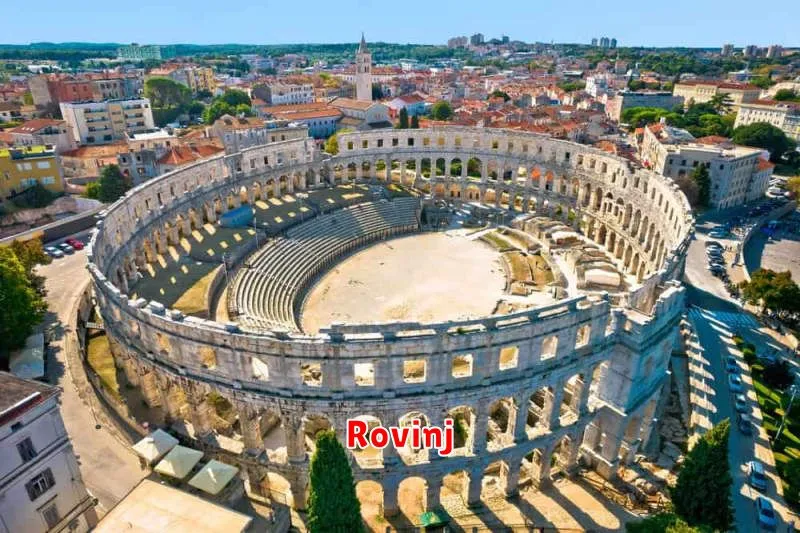
Nestled along Croatia’s Adriatic coast, Rovinj is one of the most picturesque destinations you will encounter. This charming town, characterized by its vibrant cobblestone streets and pastel-colored buildings, is a true treasure of the region. To wander through Rovinj’s narrow alleys is to step into a quaint and timeless world, where history and culture meld seamlessly with natural beauty.
Exploring the Old Town
The heart of Rovinj is its Old Town, where every corner tells a story. St. Euphemia’s Basilica towers over the town and offers panoramic views from its bell tower. As you stroll through the streets, you can visit art galleries, enjoy local cuisine at quaint cafés, and purchase handmade crafts that reflect the area’s rich heritage.
Exceptional Culinary Delights
Rovinj is also a culinary paradise. The local cuisine celebrates the land and sea, offering fresh seafood, truffles, and local wines. Dining by the water at sunset is an experience you won’t want to miss.
| Local Delicacies | Description |
|---|---|
| Brodet | A savory seafood stew typically made with a mix of fish and shellfish. |
| Istrian Truffles | Wild truffles from the nearby forests, often served grated over pasta. |
| Malvasia Wine | A local white wine known for its fruity fragrance and crisp taste. |
Relaxation and Recreation
For those seeking leisure, the beaches around Rovinj are a must-visit. Whether you prefer a secluded spot with crystal-clear waters or a beach with more amenities, Rovinj offers both. Cycling and hiking trails are also abundant, providing an opportunity to appreciate the stunning landscapes of the region.
Whether you’re drawn by history, tempted by the flavors of the Adriatic, or simply in need of relaxation, Rovinj offers a rich experience for every visitor. Embrace the laid-back atmosphere and let Rovinj’s beauty and charm captivate you.
Zagreb
While Zagreb may not lie directly on Croatia’s stunning Adriatic Coast, this vibrant city serves as an essential complement to any coastal itinerary. As the country’s capital and largest city, Zagreb offers a unique taste of Croatian culture and history that you won’t find on the beaches.
A Blend of History and Modernity
Strolling through Zagreb’s charming streets, you can easily lose yourself in a mélange of architectural styles ranging from medieval towers to mid-century modernist buildings. The city’s historic core, Gornji Grad (Upper Town), is a labyrinth of cobblestone streets and colorful buildings. Here, you can encounter the majestic Zagreb Cathedral and the iconic St. Mark’s Church with its distinctive tiled roof.
Cultural Hotspots
Zagreb is home to numerous museums and galleries that cater to various interests. The Museum of Broken Relationships, internationally acclaimed for its unique concept, offers an emotional journey through stories of love and loss. Meanwhile, the Museum of Contemporary Art showcases the dynamic and innovative works of both Croatian and international artists.
The Pulse of the City: Cafés and Markets
Zagreb’s thriving café culture is an integral part of city life. Whether you are sipping on a freshly brewed espresso or indulging in a sweet pastry, the vibrant atmosphere of places like Tkalčićeva Street, lined with cafés and shops, is not to be missed. Additionally, the Dolac Market is a feast for the senses, offering fresh local produce, handmade goods, and an authentic experience of Zagreb’s daily rhythm.
Parks and Relaxation
The locals often retreat to the lush green spaces like Maksimir Park, a stunning urban oasis perfect for a leisurely stroll or a picnic. For more botanical delights, the Botanical Garden provides a serene environment with a diverse collection of plants, making it a tranquil escape within the bustling city.
Quick Facts About Zagreb
| Aspect | Detail |
|---|---|
| Population | Approx. 800,000 |
| Founded | 11th century |
| Notable Event | Zagreb Film Festival |
Pula Arena
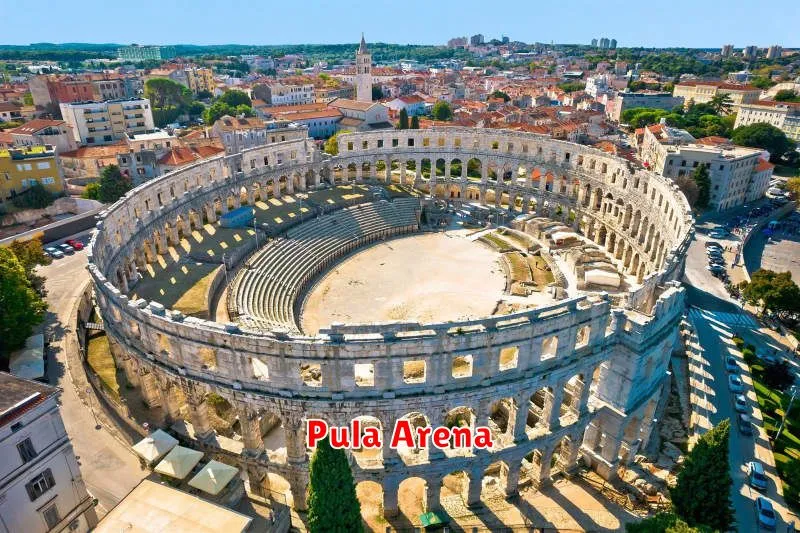
Nestled in the heart of Istria, the Pula Arena stands as a monument to the enduring strength and grandeur of the Roman Empire. As one of the best-preserved Roman amphitheaters in the world, this spectacular site offers a unique peek into history.
A Glimpse into History
Constructed between 27 BC and AD 68, Pula Arena was initially built to host gladiatorial contests, captivating audiences with thrill and excitement. With a seating capacity of up to 23,000 spectators, it served as a central hub for entertainment in ancient times.
The structure’s imposing limestone facade and elliptical shape are a testament to the architectural prowess of the Romans. Although its function has evolved over the centuries, Pula Arena remains a linchpin of cultural activities, now hosting concerts, film festivals, and even reenactments of gladiatorial games.
Modern Marvel
In the present day, the Pula Arena is a vibrant venue renowned for its eclectic offerings. Visitors can enjoy a range of events or engage in a tour to absorb the history and ambiance of this magnificent setting.
| Feature | Detail |
|---|---|
| Location | Pula, Croatia |
| Construction Period | 27 BC – AD 68 |
| Seating Capacity | 23,000 |
| Current Uses | Concerts, Film Festivals, Cultural Events |
With its storied past and vibrant present, Pula Arena stands as a versatile symbol of Croatia’s enduring connection to its ancient roots, making it an unmissable stop for anyone exploring the Adriatic’s coastal gems.
Krka National Park
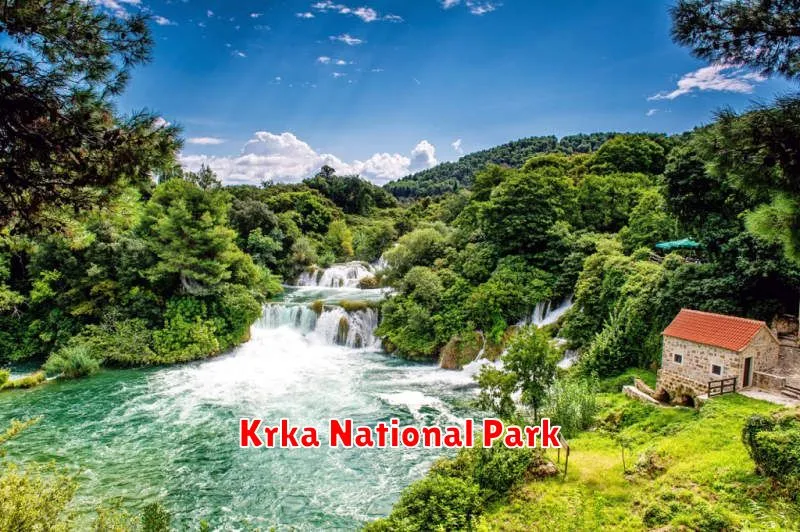
Located in the heart of Croatia, Krka National Park is a natural wonder that beckons travelers with its breathtaking landscapes and cascading waterfalls. Visitors are captivated by its serene atmosphere and the lush greenery that surrounds the flowing waters of the Krka River. This national park is a cherished gem that offers a unique glimpse into the natural beauty of the Adriatic region.
The main attraction of Krka National Park is the stunning series of waterfalls, with Skradinski Buk being the most famous and the largest. It’s a place where the water dances down lush stepped cascades, creating a picturesque scene that is perfect for photography enthusiasts. The gentle roar of the falls combined with the singing of birds creates a tranquil ambiance that envelops the park.
Exploration and Activities
Krka National Park offers more than just visual delights. Visitors can enjoy a range of activities that include hiking trails, boat tours, and even swimming in designated areas. Hiking trails guide you through lush forests and across charming wooden bridges, letting you experience the park’s diverse flora and fauna up close. The park’s clear waters invite you for a refreshing swim during the warmer months.
Tips for Visiting
- Best time to visit: April to October when the weather is mild and the park is flourishing.
- Bring comfortable shoes for hiking to explore the park fully.
- Consider a boat trip to the island of Visovac for a must-see historic experience.
- Pack a picnic to enjoy in the designated areas, ensuring you respect the natural environment.
While nature is the main highlight, the park also offers a glimpse into the region’s history. Don’t miss visiting the Visovac Monastery, set on a small island in the middle of the lake, which adds a touch of historical intrigue to your adventure.
Mljet National Park
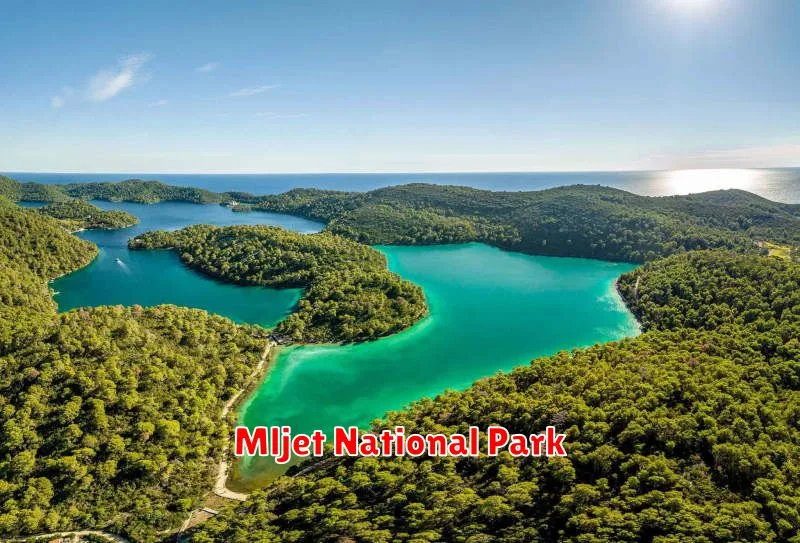
Mljet National Park is an enchanting oasis located on the island of Mljet, known for its lush landscapes and captivating natural beauty. This serene paradise offers nature lovers and adventure seekers a chance to explore one of Croatia’s most picturesque national parks.
Exploration and Activities
Visitors to Mljet National Park can enjoy a variety of activities, such as hiking, cycling, and kayaking. There are numerous trails and paths that wind through the park, allowing explorers to fully immerse themselves in the diverse wildlife and stunning scenery. A popular choice among visitors is to rent a kayak and paddle through the park’s tranquil lakes and crystal-clear waters.
The Great Lakes
The park is notably famous for its two saltwater lakes, Veliko Jezero (Big Lake) and Malo Jezero (Small Lake), both of which provide a breathtaking backdrop and are perfect spots for a refreshing swim. Pedestrian and cycling paths around the lakes offer easy access to the untouched beauty of the surroundings.
The Island of St. Mary
One of the park’s main attractions is the islet of St. Mary, located on Veliko Jezero, which features an ancient Benedictine monastery dating back to the 12th century. This historical site adds a touch of cultural intrigue and can be reached easily by a short boat ride, making it a must-visit part of the park.
Flora and Fauna
Mljet National Park is rich in biodiversity and home to a variety of flora and fauna. The park is dotted with dense forests, predominantly of Aleppo pine and holm oak, providing a perfect habitat for the island’s native species. Birdwatchers will delight in the opportunity to spot numerous bird species that inhabit this lush environment.
Interesting Facts:
- Mljet is often referred to as “Odysseus’ Island” due to legends suggesting it’s where the hero was captivated by the nymph Calypso.
- The park covers about one-third of the entire island, ensuring its protection and conservation.
- Mljet National Park was officially established in 1960, making it one of Croatia’s oldest national parks.
With its tranquil charm and natural allure, Mljet National Park remains a true gem among Croatia’s coastal wonders, offering visitors a chance to step back into serene nature and discover the magic of the Adriatic’s finest landscapes.
Korcula
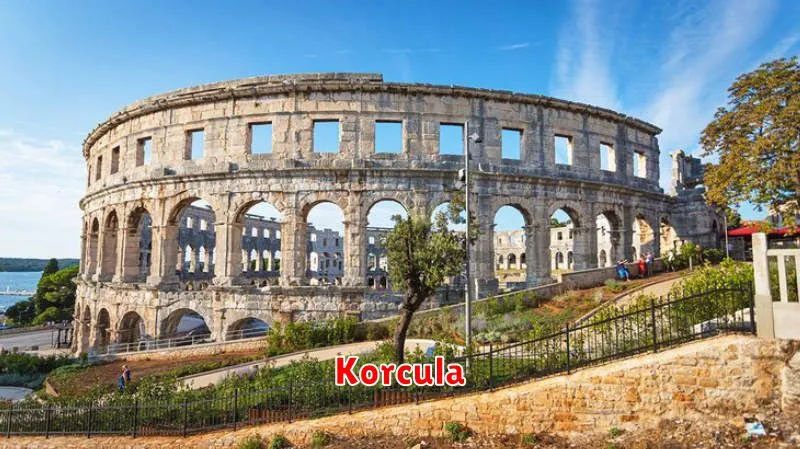
Often hailed as the jewel of the Adriatic, Korcula is a charming island that captivates visitors with its rich history, vibrant culture, and stunning landscapes. Known for its lush greenery and idyllic beaches, Korcula offers a perfect blend of relaxation and adventure.
A Journey Through History
The island of Korcula is steeped in history, believed to be the birthplace of the famed explorer Marco Polo. Its Old Town, often described as a miniature Dubrovnik, boasts medieval architecture, narrow cobbled streets, and ancient stone buildings. Explore the labyrinthine alleys and discover hidden treasures in quaint shops and cozy restaurants serving authentic Croatian cuisine.
Authentic Experiences
- Try Sword Dance – Witness the ancient Moštra sword dance, a traditional folk performance that continues to captivate audiences.
- Wine Tasting – Korcula is known for its local wines, especially the white wine, Pošip. Sample these fine wines in picturesque vineyards dotting the island.
- Olive Oil Tasting – Enjoy the finest olive oils produced from centuries-old groves that reflect the island’s rich agricultural heritage.
Natural Wonders
The island’s natural beauty is unparalleled. With pristine beaches such as Vela Pržina and hidden coves accessible only by boat, Korcula provides the ideal setting for a tranquil retreat. Whether you wish to swim, snorkel, or simply bask in the sun, the island’s coastline offers it all.
| Activity | Location |
|---|---|
| Kayaking | Korcula Town Bay |
| Hiking | Mount Klupca |
From cultural immersion to ocean adventures, Korcula stands out as a destination that offers diverse experiences for every type of traveler. Make sure to include this stunning island in your itinerary for an unforgettable taste of Croatia’s enchanting Dalmatian Coast.
