
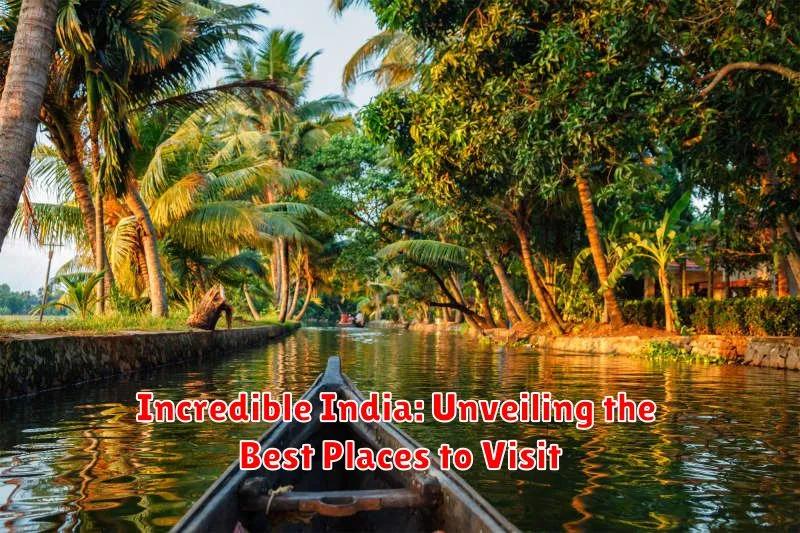
Welcome to Incredible India, a land of endless wonders and diverse cultures, where every traveler can find something to enchant them. From the majestic peaks of the Himalayas to the tranquil backwaters of Kerala, India is a kaleidoscope of colors, flavors, and experiences waiting to be explored. Whether you’re an adventure seeker or a history enthusiast, India offers an unparalleled journey through time and nature.
In this vibrant nation, the possibilities are truly limitless. Explore the bustling streets of Delhi teeming with life and history, or find serenity in the temples of Varanasi, one of the world’s oldest living cities. Join us as we unveil the best places to visit in India, each destination promising unforgettable moments that will ignite your wanderlust and leave you yearning for more. Discover why travelers from every corner of the globe are captivated by the unique charm of India and prepare to fall under its spell yourself.
Taj Mahal
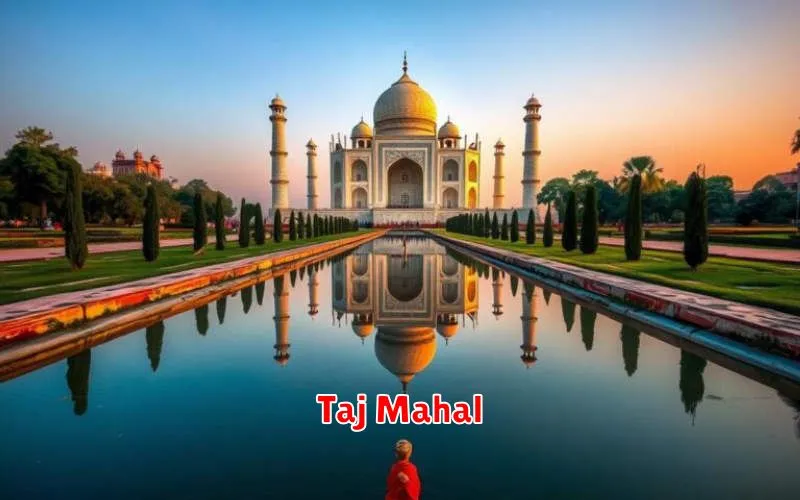
The Taj Mahal, an epitome of love and architectural beauty, stands majestically on the banks of the Yamuna River in Agra, India. This iconic monument is a quintessential example of Mughal architecture, blending extensive elements from Persian, Islamic, and Indian styles.
The Love Story Behind the Monument
The Taj Mahal was commissioned in 1632 by the Mughal Emperor Shah Jahan in memory of his beloved wife, Mumtaz Mahal. This extraordinary mausoleum symbolizes eternal love, attracting millions of visitors from around the globe each year. The serene ambiance and exquisite designs intricately depict the love story of the Emperor and his Queen.
Architectural Marvel
Constructed entirely out of white marble, the Taj Mahal is renowned for its symmetrical design and meticulous craftsmanship. The structure is adorned with precious gemstones and its walls have exquisite carvings. Notably, the reflecting pool enhances the grandeur of the monument against the backdrop of idyllic gardens.
Details to Explore
- Main Gateway – An impressive and elaborately carved entryway that provides the first glimpse of the Taj Mahal.
- Charbagh Gardens – Splendidly designed Persian-style gardens that are symbolic of paradise.
- The Mausoleum – The centerpiece containing the tombs of Mumtaz Mahal and Shah Jahan.
- The Mosque – Situated to the west of the Taj Mahal, it highlights the monument’s Islamic heritage.
Visiting the Taj Mahal during sunrise or sunset offers a mesmerizing experience, as the play of light changes the hues of the marble from dusky pink to brilliant white and finally to golden tones. Being a UNESCO World Heritage Site, it remains one of the most sought-after tourist destinations, embodying the cultural heritage and enduring allure of India.
Whether you seek romance, history, or inspiration, the Taj Mahal flawlessly encapsulates the essence of sublime splendor and captivating beauty.
Jaipur
Welcome to Jaipur, the illustrious capital of Rajasthan, fondly known as the Pink City due to its distinctively colored buildings. This city is a harmonious blend of historic and modern marvels, offering visitors a taste of royal heritage and vibrant culture.
Historical Treasures
Jaipur is home to several historical gems. At the heart of the city lies the Amber Fort, an expansive fortress that encapsulates the essence of Rajputana grandeur. Built from red sandstone and marble, it features intricate paintings and mirror work that speak of bygone eras. The City Palace, another must-visit, showcases a remarkable fusion of Mughal and Rajput architecture, giving a glimpse into the life of erstwhile royals.
Architectural Marvels
Don’t miss the Hawa Mahal, or the Palace of Winds, a five-story facade with a beehive of 953 small windows. Originally designed for royal women to observe street festivals without being seen, it remains a striking symbol of Jaipur’s architectural ingenuity.
Vibrant Markets
Shopping enthusiasts will find a paradise in Jaipur’s bustling bazaars. Johari Bazaar and Bapu Bazaar offer a plethora of options, from exquisite jewelry to vibrant textiles. These markets provide a sensory overload with their dazzling array of goods and the rhythmic sounds of local bargaining.
Local Cuisine
Exploring Jaipur’s culinary landscape is a journey in itself. Indulge in traditional dishes like Dal Baati Churma, Laal Maas, and the sweet treat of Ghevar. Each delicacy is a reflection of the region’s rich heritage and culinary prowess.
| Must-Visit Places | Key Highlights |
|---|---|
| Amber Fort | Historical architecture, sound and light show |
| City Palace | Museum, royal artifacts |
| Hawa Mahal | Unique facade and cultural icon |
Jaipur is undoubtedly a jewel in the crown of India’s tourism offerings, capturing the imagination of travelers with its rich history, cultural wealth, and stunning visual splendor.
Varanasi
Renowned as the spiritual heart of India, Varanasi is a place that reverberates with a profound sense of devotion and cultural richness. Located on the banks of the sacred River Ganges, it is one of the world’s oldest continuously inhabited cities, often regarded as the city of Lords Shiva.
Why Visit Varanasi?
Varanasi offers a unique glimpse into the spiritual life of India, making it an essential destination for anyone seeking to understand the country’s deep religious roots. The city’s historic ghats, over 80 in total, are places where life and death intersect, with various ceremonies conducted daily.
Key Attractions
- Dashashwamedh Ghat: Experience the mesmerizing Ganga Aarti in the evening, where the river becomes a stage for traditional rituals and chants.
- Kashi Vishwanath Temple: An iconic temple dedicated to Lord Shiva, it holds immense significance for Hindu pilgrims.
- Sarnath: A short drive from Varanasi, this is where Lord Buddha delivered his first sermon, marking it as a pivotal site for Buddhism.
Experiencing the Varanasi Vibe
Aside from its religious aspects, Varanasi also offers vibrant markets where you can explore traditional silk weaving and shop for authentic handicrafts. The narrow alleys of Varanasi buzz with life, offering local delicacies that are a treat for any gourmet enthusiast.
When to Visit
| Month | Weather |
|---|---|
| October – March | Mild and pleasant, ideal for exploring |
| April – June | Hot, ideal for those who enjoy warm climates |
| July – September | Monsoon season, with heavy showers |
Immersing yourself in the spiritual essence of Varanasi can be a transformative experience, leaving visitors with a deep appreciation for the rich tapestry of Indian culture and spirituality.
Goa
Nestled on the shimmering western coast of India, Goa is a paradise for beach lovers and party enthusiasts. This former Portuguese colony is renowned for its golden sands, vibrant nightlife, and unique blend of Indian and Portuguese cultures.
Beaches
Goa boasts a wide array of beaches catering to every type of traveler. From the laid-back vibes of Palolem Beach to the bustling shores of Baga and Calangute, there’s something for everyone. Adventurous souls can indulge in activities like parasailing, jet skiing, and scuba diving.
Cultural Heritage
Beyond the beaches, Goa is home to a rich tapestry of cultural and historical sites. The Basilica of Bom Jesus and Se Cathedral are UNESCO World Heritage Sites that offer a glimpse into the region’s Portuguese heritage. The vibrant festivals, such as the Carnival and Sao Joao, are filled with music, dance, and food that showcases Goa’s unique cultural blend.
Nightlife
Known for its electrifying nightlife, Goa has no shortage of beach parties, clubs, and bars. Legendary spots like Tito’s and Club Cubana offer fantastic atmospheres to dance the night away. For a more laid-back experience, the beach shacks provide the perfect setting to enjoy a drink under the starlit sky.
Gastronomy
The culinary delights of Goa are not to be missed. Influenced by its Portuguese past, the local cuisine is a delightful fusion of spices and flavors. Vindaloo and Xacuti are popular dishes that will tantalize your taste buds, while the fresh seafood is a testament to the coastal bounty.
Shopping and Markets
Indulge in retail therapy at Goa’s vibrant markets. Whether it’s the lively flea markets at Anjuna or the bustling Mapusa Market, you can find everything from colorful clothing to spices and unique souvenirs.
Quick Facts About Goa
- Best time to visit: November to February
- Main language: Konkani and English
- Currency: Indian Rupee (INR)
Kerala Backwaters
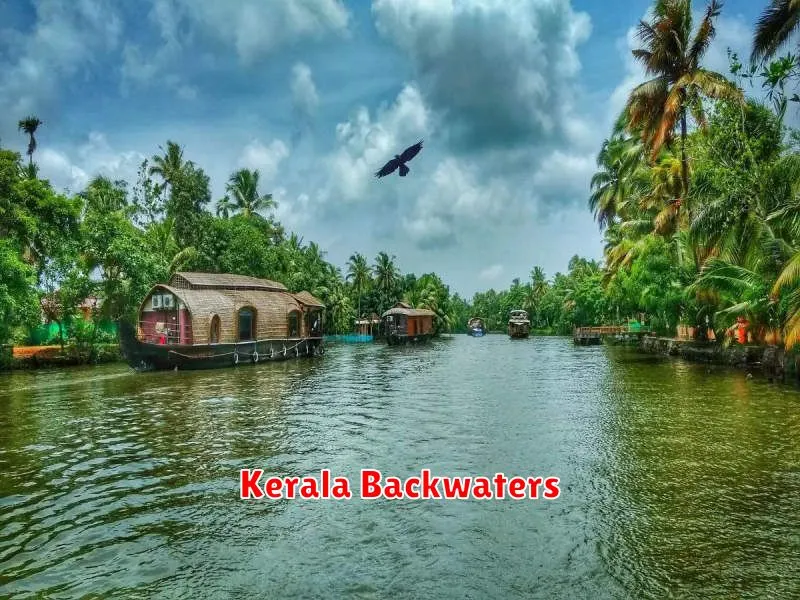
Nestled in the southwestern part of India, the Kerala Backwaters offer a tranquil escape from the hustle and bustle of everyday life. Known for its intricate network of lakes, rivers, and canals, this region is a testament to the harmonious coexistence between nature and humanity. The slow and serene pace of life here presents visitors with an ideal opportunity to unwind and take in the breathtaking scenery.
Experience the Charm of Houseboats
One of the most iconic ways to explore the Kerala Backwaters is aboard a traditional houseboat, locally known as a ‘Kettuvallam’. These floating marvels provide a comfortable journey through the myriad waterways, offering glimpses of lush landscapes, swaying palms, and vibrant rural life. A stay on a houseboat, complete with authentic Kerala cuisine, makes for an unforgettable experience.
Vibrant Village Life
The backwaters are not just about scenic beauty; they also offer a fascinating peek into the local culture and lifestyle. As you glide along the waters, you can observe villagers engaged in activities such as fishing, farming, and coir crafting. The simplicity and warmth of the villagers is an integral part of the backwater charm.
Popular Backwater Destinations
- Alleppey (Alappuzha): Known as the ‘Venice of the East’, Alleppey is famous for its picturesque canals and lively boat races.
- Kumarakom: A group of small islands on Vembanad Lake, offering a rich variety of flora and fauna.
- Ashtamudi Lake: A pristine and less crowded area, perfect for nature lovers.
Best Time to Visit
The ideal time to explore the Kerala Backwaters is between the months of October and February, when the weather is cool and pleasant. During this period, the lush greenery and comfortable climate make the backwaters even more alluring.
Ajanta and Ellora Caves
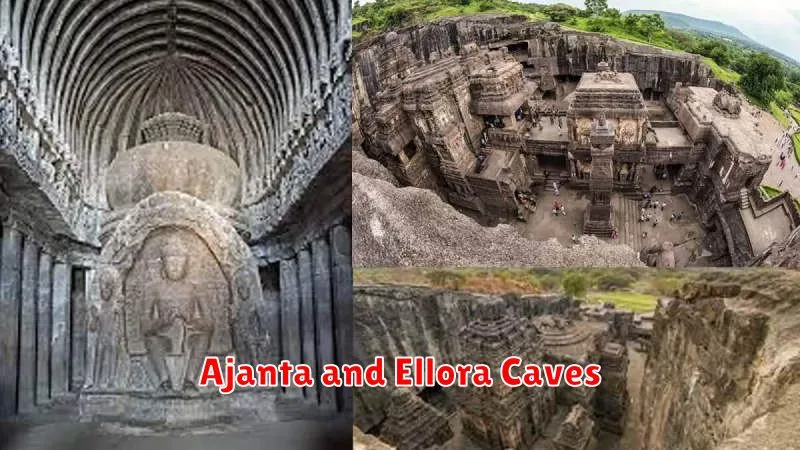
Hidden in the lush forests of Maharashtra, the Ajanta and Ellora Caves offer a glimpse into the wealth of ancient Indian civilization. These caves are a testament to the artistic prowess and religious dedication of the times. Both UNESCO World Heritage Sites, they draw thousands of visitors from across the globe, all eager to witness their historic and cultural significance.
Historical Significance
The Ajanta Caves, dating back to the 2nd century BCE, are primarily Buddhist in nature. They feature intricate murals and paintings depicting the life of Buddha and various Bodhisattvas. These artworks are not only visually stunning but also serve as a crucial window into the socio-cultural environment of ancient India.
In contrast, the Ellora Caves, which were excavated between the 6th and 11th centuries CE, reflect a more diverse religious tapestry. They house shrines belonging to Buddhism, Hinduism, and Jainism, making them a unique convergence of spiritual sanctity.
Architectural Marvels
What truly sets these caves apart is their architectural brilliance. The Ellora Caves are especially known for the Kailasa Temple, an exceptional monolithic structure carved out of a single rock. This temple is dedicated to Lord Shiva and symbolizes Mount Kailash with its intricate carvings and grandiose structure.
The Ajanta Caves, conversely, are celebrated for their remarkable paintings that depict Jataka tales and Buddhist legends. The precision and detail in these paintings are awe-inspiring, indicating the high level of skill possessed by ancient artisans.
How to Explore
- Location: Both sites are situated near the city of Aurangabad in Maharashtra.
- Best Time to Visit: October to March, when the weather is cool and pleasant.
- Visitor Tips: Make sure to hire a knowledgeable guide to uncover the detailed history behind each cave’s carvings and paintings.
The Ajanta and Ellora Caves are more than just a place to visit—they are epic chronicles etched in stone, narrating tales of faith, craftsmanship, and ancient ingenuity.
Leh-Ladakh
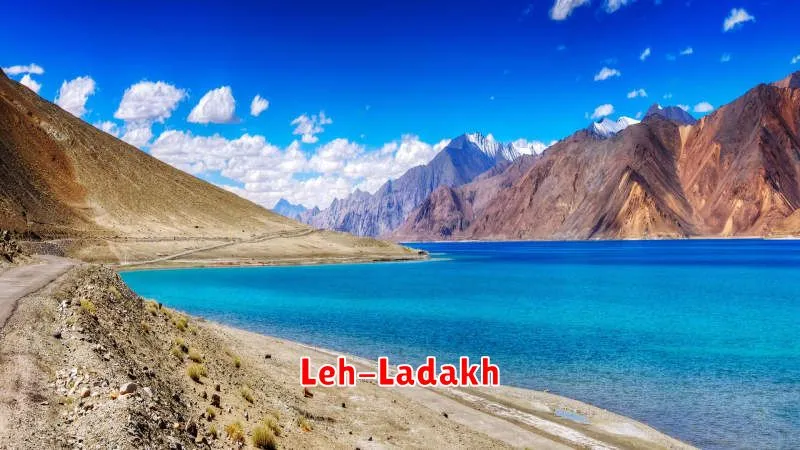
Located in the northernmost region of India, Leh-Ladakh is a pristine landscape that can only be described as otherworldly. Known as the “Land of High Passes,” this region offers breath-taking views of the Himalayan and Karakoram mountain ranges, making it a haven for nature lovers and adventure enthusiasts alike.
Unique Geographical Features
The region boasts an array of unique geographical features, from vast plateaus and rugged mountains to serene lakes and quaint villages. One of the highlights is the Pangong Lake, known for its stunning blue waters that change color with the prevailing hues of the sky.
Adventure and Activities
Leh-Ladakh is a paradise for those seeking adventure. The region offers a myriad of pursuits such as trekking, mountain biking, and river rafting on the Indus River. The Chadar Trek, a winter trek across the frozen Zanskar River, stands out as a unique experience for intrepid travelers.
Cultural Heritage
A journey through Leh-Ladakh is also a cultural exploration. The region is peppered with ancient monasteries, including the Hemis Monastery, which hosts one of the largest and most popular festivals known as the Hemis Tsechu. Visitors can immerse themselves in the tranquil atmosphere of these spiritual centers and witness the vibrant Buddhist culture that thrives in the area.
Best Time to Visit
- Summer (May to September): Ideal for sightseeing and enjoying outdoor activities in pleasant weather.
- Winter (November to February): Offers a unique opportunity to experience Ladakh covered in snow, although many of the high passes may be closed due to heavy snowfall.
For those yearning for an escape into a realm defined by serenity and unspoiled natural beauty, Leh-Ladakh emerges as an incomparable travel destination in the incredible tapestry of India’s offerings.
Rishikesh
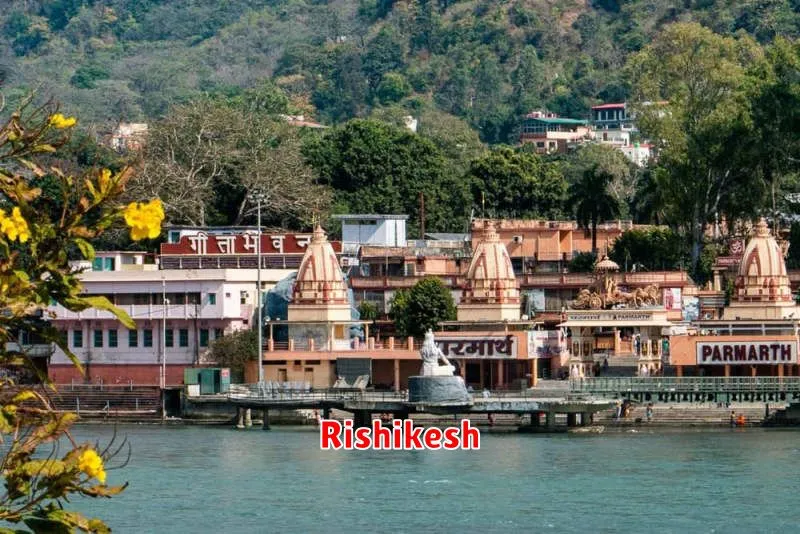
Rishikesh, known as the “Yoga Capital of the World”, is a serene town nestled in the foothills of the Himalayas in the northern state of Uttarakhand. It is where the Ganges River meets spirituality, adventure, and nature.
The Spiritual Essence
The spiritual ambiance of Rishikesh is undeniable. It is dotted with ancient temples and serene ashrams that offer meditation and spirituality courses. The sound of the river and the chants of the aartis create an overwhelming sense of peace.
Adventure Galore
For the thrill-seekers, Rishikesh offers a plethora of adventure activities. From white-water rafting in the Ganges to bungee jumping from one of India’s highest points, this town has it all for adventure enthusiasts.
- White-water Rafting – An exhilarating experience on the rapids of the Ganges.
- Bungee Jumping – A leap of faith from Mohan Chatti, the highest bungee point in India.
- Trekking – Explore the rewarding trails of the Himalayas.
Yoga and Wellness Retreats
Rishikesh is home to numerous yoga schools and retreats, offering lessons and therapies in traditional yogic practices and Ayurvedic treatments. It is the perfect place to rejuvenate the mind, body, and soul.
| Attraction | Highlight |
|---|---|
| Parmarth Niketan | Attend the divine Ganga Aarti |
| Laxman Jhula | Walk across the iconic suspension bridge |
| Neelkanth Mahadev Temple | A sacred pilgrimage site |
Best Time to Visit
The ideal period to experience Rishikesh is from September to November and March to May. During these months, the weather is pleasant, perfect for exploring the outdoor and spiritual offerings of this enchanting town.
Udaipur
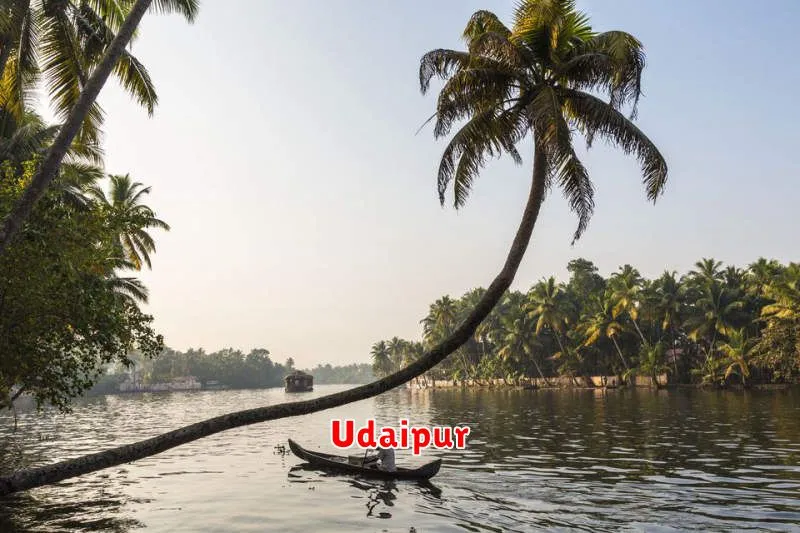
Nestled in the heart of Rajasthan, Udaipur is often referred to as the “City of Lakes” and is renowned for its picturesque landscapes and majestic palaces. Every corner of this stunning city reflects a vibrant fusion of history and culture, making it a must-visit destination for travelers seeking both beauty and a dash of royal heritage.
Enchanting Lakes
The city is sprinkled with serene lakes, the most famous being Lake Pichola. Surrounded by palaces, temples, and hills, a boat ride on this lake is an experience wrapped in tranquility and stunning views. Another captivating lake to explore is Fateh Sagar Lake, known for its scenic beauty and peaceful ambiance.
Majestic Palaces
Udaipur City Palace is a brilliant architectural marvel that boasts Rajasthani grandeur and exquisite craftsmanship. Built over a period of 400 years, this sprawling palace complex offers a peek into the rich legacy of the Mewar dynasty. Another gem, the Lake Palace, now converted into a luxury hotel, floats elegantly on Lake Pichola, presenting a breathtaking spectacle especially during sunrise and sunset.
Rich Cultural Vibes
The essence of Udaipur lies in its bustling markets and vibrant festivals. You can lose yourself in the vibrant hues of traditional Rajasthani attire and artisanal crafts at bustling bazaars such as Hathi Pol Bazaar and Bada Bazaar. Be sure to time your visit with the Mewar Festival, where the entire city comes alive with folk music, dance, and cultural exhibitions.
Travel Tips
- Best Time to Visit: September to March when the weather is pleasant.
- Local Delicacies: Don’t miss trying the traditional dal bati churma and laal maas.
- Getting Around: Auto-rickshaws and rental bikes are convenient for exploring the city.
Amritsar
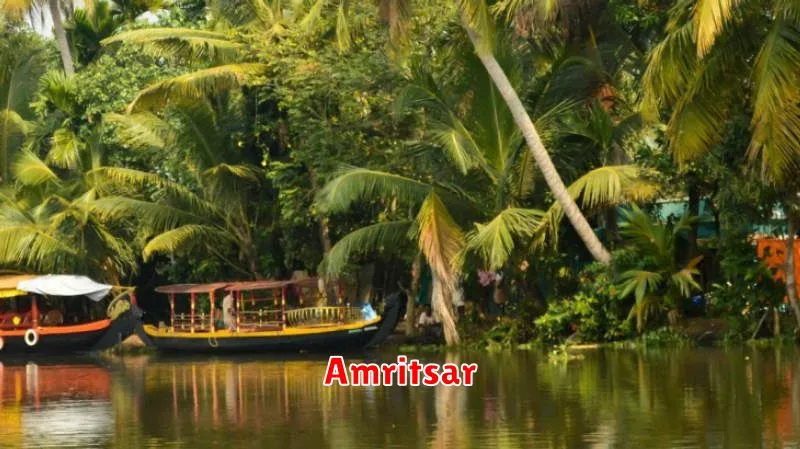
Amritsar, the vibrant and soulful city in Punjab, is a major spiritual center known for its rich Punjab heritage and historical significance. This city is not just a place; it’s a profound experience that speaks volumes through its monuments and warm-hearted people.
The Golden Temple
The Harmandir Sahib, commonly known as the Golden Temple, is the crown jewel of Amritsar. Built in 1577 by the fourth Sikh Guru, Guru Ram Das, this sacred monument is a place where people from all walks of life come to seek peace and blessings. The serene and reflective waters of the Amrit Sarovar, surrounding the temple, add to its majestic charm. The volunteer-run community kitchen, or Langar, serves free meals to all, embodying the Sikh values of service and equality.
Jallianwala Bagh
A visit to Amritsar would be incomplete without stopping at Jallianwala Bagh. This poignant memorial commemorates one of the darkest days in Indian history — the massacre of unarmed civilians by British forces in 1919. Walking through this solemn site, you can still see the bullet marks on the walls, serving as a stark reminder of the sacrifices made during India’s fight for independence.
Cultural Insights and Local Delights
Amritsar is a beacon of Punjabi culture. The bustling streets are a haven for food lovers, offering authentic delicacies such as Amritsari Kulcha, Lassi, and other mouth-watering street foods. The liveliness of local markets like Hall Bazaar is a true representation of the city’s vibrant trade and craftsmanship.
Things to Do in Amritsar:
- Witness the Beating Retreat Ceremony at the Wagah Border.
- Explore the city’s rich history at the Maharaja Ranjit Singh Museum.
- Indulge in the unique taste of Punjabi cuisine.
