
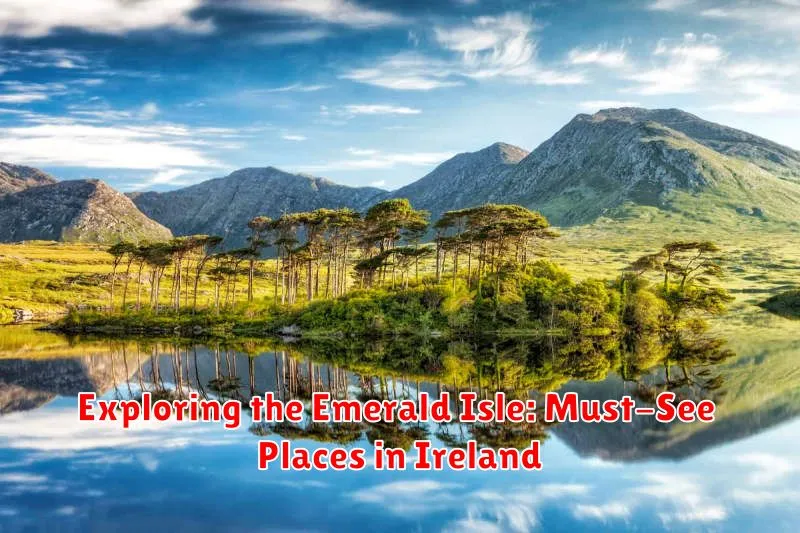
Welcome to the Emerald Isle, a land steeped in myth and breathtaking natural beauty. Ireland is a destination that captures the imagination with its rolling green hills, rugged coastlines, and charming towns that seem almost untouched by time. Whether you’re drawn to the stories of ancient legends or seeking the warm embrace of Irish hospitality, this island offers experiences that enchant every visitor.
As we journey through Ireland, let us guide you to its must-see places that exude a mix of majesty and magic. From the dramatic cliffs of Moher to the ancient history etched in the stones of the Ring of Kerry, each corner of this mystical isle tells a story waiting to be discovered. So, buckle up and get ready to explore the unforgettable highlights of Ireland, where every landscape promises an adventure and every encounter offers a tale.
Cliffs of Moher
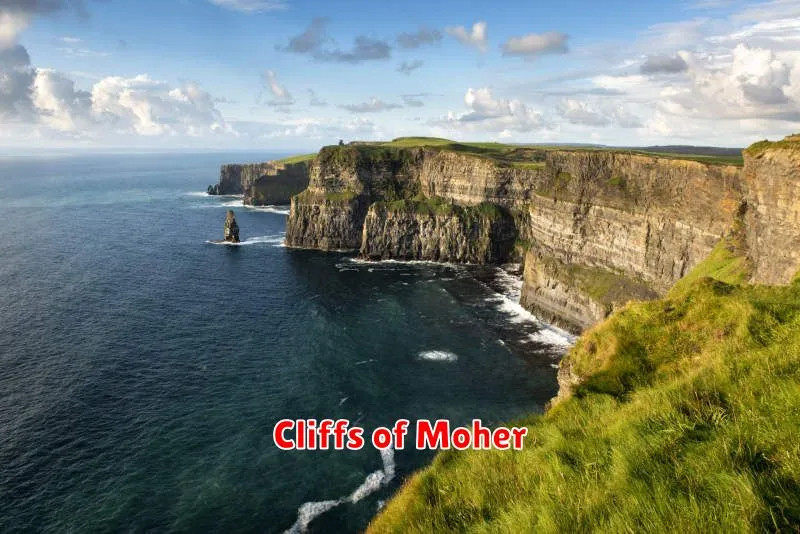
Among the most breathtaking natural wonders in Ireland, the Cliffs of Moher stand as a spectacular testament to the raw beauty of the Irish coastline. Nestled along the western coast in County Clare, these cliffs stretch for about 14 kilometers and rise to 214 meters at their highest point, offering panoramic views over the Atlantic Ocean.
History and Geology
The cliffs have a rich history, with their formation dating back over 300 million years. They were created during the last ice age, when melting ice carved rivers into the landscape. Today, the layers of sandstone and shale make for a striking geological site treasured by researchers and tourists alike.
Visitor Experience
Visitors can explore the cliffs via a network of walking trails that offer various vantage points to appreciate their dramatic scenery. A visit to the Cliffs of Moher Visitor Experience provides insight into the cliffs’ history, geography, and the flora and fauna that thrive in this unique environment.
Tip: For the best experience, visit during the early morning or late afternoon to avoid the crowds and admire the cliffs bathed in the soft light of the golden hour.
Things to Do
- Walk along the scenic pathways and take in the views from various lookout points.
- Visit the Visitor Centre for interactive exhibits and informative displays.
- Watch the birds; the cliffs are home to puffins, razorbills, and many other seabirds.
Whether you’re drawn by their stunning views, intrigued by their geological significance, or simply yearning for a serene escape into nature, the Cliffs of Moher are undeniably a must-visit destination on any Irish itinerary.
Ring of Kerry
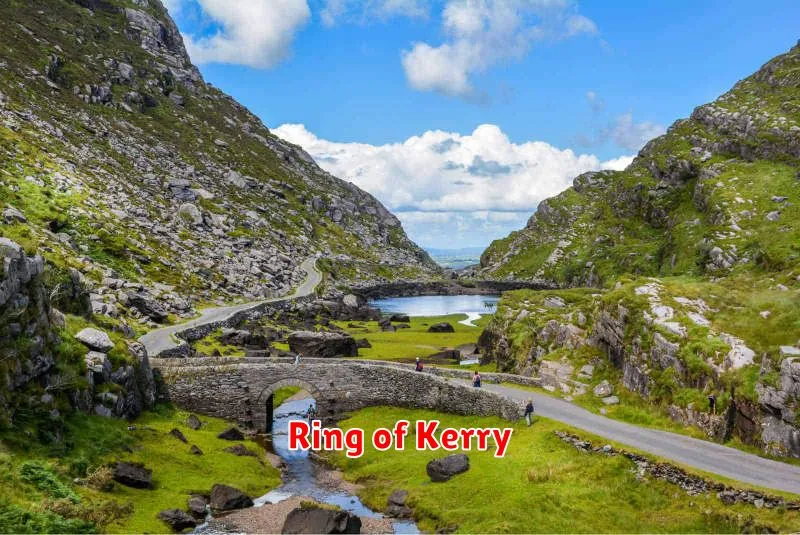
The Ring of Kerry, a 179-kilometer circular route in County Kerry, is one of Ireland’s most scenic drives. It offers a breathtaking mix of rugged coastline, picturesque villages, and dramatic landscapes that attract travelers from all over the world.
What to Expect
As you embark on this journey, you’ll encounter a variety of stunning vistas, from the majestic peaks of the Macgillycuddy’s Reeks to the serene beauty of the Lakes of Killarney. Each turn brings a new, magnificent view.
Must-See Stops
- Cahersiveen: Known for its intriguing history, this town offers a glance at ancient Celtic artifacts.
- Waterville: A favorite spot for fishing enthusiasts, plus it boasts gorgeous beaches.
- Kenmare: A colorful town with charming shops and eateries.
- Valentia Island: Accessible via a bridge, offers views of the iconic Skellig Islands.
Best Time to Visit
The Ring can be driven at any time of year, but the best months to visit are from March to October when the weather is generally favorable for outdoor activities and the surrounding landscape bursts with the colors of Irish flora. However, be prepared for some crowds during peak summer months.
Travel Tips
- Start Early: To avoid the rush and fully appreciate each stop, it’s advisable to start your journey early in the morning.
- Travel Counter-Clockwise: This is the recommended route for easier navigation and less traffic.
- Plan for a Full Day: With so much to see, ensure you have a day’s allowance to explore all the attractions thoroughly.
The Ring of Kerry offers not just sights but a taste of the authentic Irish experience, making it a must-visit destination on your Emerald Isle adventure.
Dublin

Welcome to Dublin, the lively capital of Ireland, where history meets modernity, and charm is found in every corner. Known for its vibrant cultural scene and rich heritage, this bustling city is a wonderful blend of past and present, offering something unique for every traveler to discover.
Key Attractions
Dublin is renowned for its array of attractions that cater to diverse interests. From the historic architecture of Trinity College and the stunning Book of Kells to the politically significant Dublin Castle, history buffs will find plenty to explore. Literature enthusiasts can wander the halls of the Dublin Writers Museum, celebrating iconic local writers like James Joyce and W.B. Yeats.
For those seeking a more contemporary adventure, stroll along the banks of the River Liffey and experience the energetic vibes of Temple Bar, Dublin’s cultural quarter, known for its bustling pubs, street performances, and exquisite galleries. Don’t forget to visit the famous Guinness Storehouse to learn about the brewing history of Ireland’s most iconic stout.
Cultural Experiences
Lovers of art and music are drawn to vibrant Irish music sessions that fill the air with invigorating rhythms. The National Gallery of Ireland and the Irish Museum of Modern Art are must-visit spots for art enthusiasts. Explore the city’s theatre scene by catching a play at the historic Abbey Theatre, which showcases both classical and contemporary performances.
Culinary Delights
Dublin is also known for its burgeoning culinary scene, boasting an eclectic mix of traditional Irish fare and modern cuisine. Visit a local pub to savor hearty Irish stews and freshly caught seafood, or explore modern dining options at any of the city’s acclaimed restaurants that offer international flavors with a creative twist.
Notable Public Parks
For those who appreciate nature, Dublin’s parks provide serene escapes within the urban landscape. The expansive Phoenix Park is not only the largest enclosed park in any European capital city but also home to the Dublin Zoo and a herd of wild deer. The beautifully landscaped St. Stephen’s Green offers a peaceful retreat in the city’s heart.
Quick Facts About Dublin
- Population: Approximately 1.2 million
- Language: English (Irish is also spoken)
- Currency: Euro (€)
Galway

Galway, often referred to as the Cultural Heart of Ireland, is a vibrant city that combines rich history with modern charm. Nestled on the country’s west coast, Galway is renowned for its colorful streets, lively atmosphere, and deep-rooted connection to Irish music and art.
A Hub of Festivals
The city is famous for hosting a variety of festivals throughout the year, making it a must-visit destination for culture enthusiasts. From the Galway Arts Festival to the Galway Oyster Festival, there’s always something exciting happening. These events offer a glimpse into the city’s creative spirit and love for the arts.
Admire the Spanish Arch
One iconic historical site you shouldn’t miss is the Spanish Arch. Built in 1584, it was originally part of the city walls and offers a picturesque view of the Corrib River. Today, it stands as a reminder of Galway’s medieval past.
Explore Quay Street
Quay Street, often bustling with activity, is a great place to experience the local culture. It’s filled with quaint shops, lively pubs, and street performers. Visitors can enjoy Galway’s vibrant atmosphere by simply strolling down this lively street.
Whether you’re sipping coffee in a cozy café, listening to live traditional Irish music in a local pub, or exploring the historic streets, Galway offers a unique charm that captures the heart of every traveler.
Galway must-sees:
- Eyre Square
- Galway City Museum
- St. Nicholas’ Collegiate Church
- Salthill Promenade
Giant’s Causeway
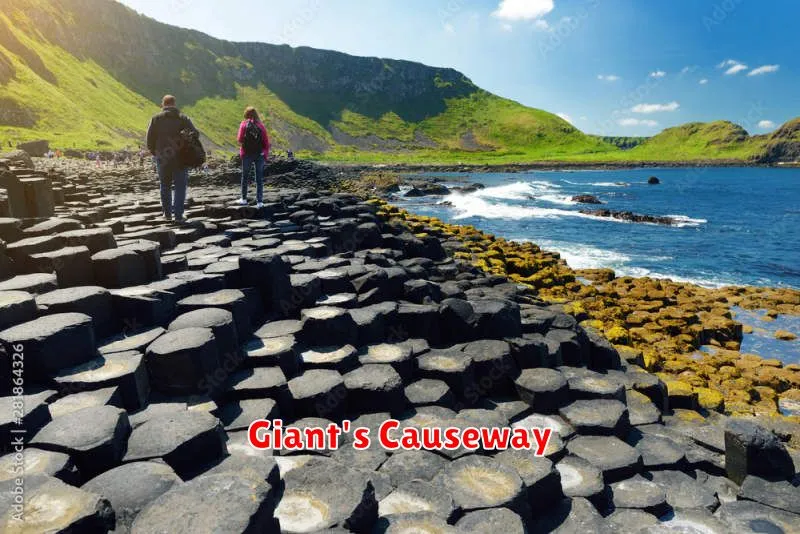
On the northeast coast of County Antrim, Northern Ireland, lies one of the world’s most enigmatic and geologically significant sites: the Giant’s Causeway. This natural wonder, often referred to as the “Eighth Wonder of the World”, boasts approximately 40,000 interlocking basalt columns, a direct result of an ancient volcanic eruption.
Geological Marvel
Formed around 50 to 60 million years ago during the Paleogene Period, the Giant’s Causeway is a result of intense volcanic activity. As the thick lava cooled, it contracted and fractured into these extraordinary hexagonal patterns. The largest of the columns stands at about 12 meters high, while most reach a height of around 6 meters, creating a striking landscape.
Myth and Legend
The local legend adds a layer of mystique to this natural formation. It suggests that the giant Finn McCool constructed the causeway to walk to Scotland to face his rival, Benandonner. When Finn realized the immense size of his opponent, he devised a clever plan, emphasizing the legendary status of this unique location.
Exploring the Site
Visiting the Giant’s Causeway is an awe-inspiring experience. The site is managed by the National Trust, ensuring the preservation of its natural beauty. Whether you’re walking among the columns or taking in the panoramic views of the Atlantic Ocean, it’s easy to see why this has been a UNESCO World Heritage Site since 1986.
| Feature | Details |
|---|---|
| Hexagonal Columns | 40,000 basalt columns |
| Highest Column | 12 meters |
| UNESCO Status | World Heritage Site since 1986 |
With its unique geological formations and rich folklore, the Giant’s Causeway is undoubtedly a must-see destination for anyone looking to explore the marvels of Ireland.
Killarney National Park
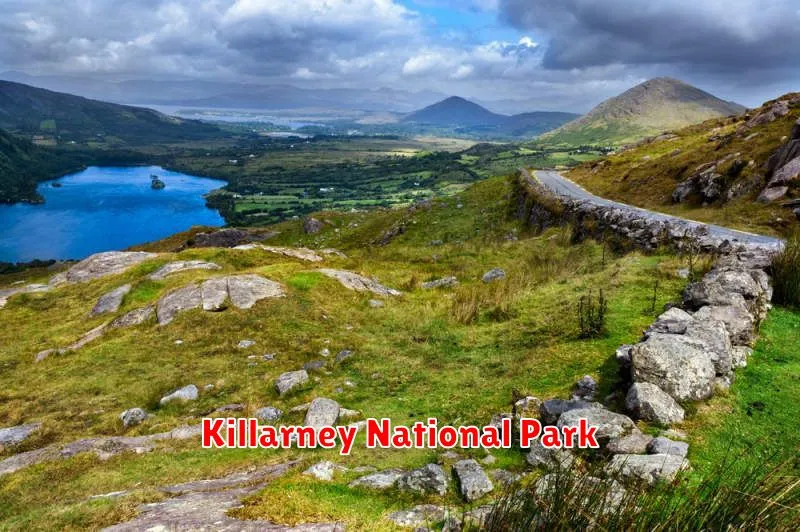
Immerse yourself in the untamed beauty of Killarney National Park, a destination that offers a remarkable blend of natural wonders and cultural heritage. Nestled in County Kerry, this expansive area is a haven of lush landscapes, serene lakes, and towering mountains.
A Diverse Ecosystem
The park is home to Ireland’s only herd of native red deer and boasts an incredible variety of flora and fauna. With its diverse ecosystems, Killarney National Park is a playground for nature enthusiasts, offering opportunities for hiking, birdwatching, and photography.
Must-See Attractions
- Muckross House: A stunning Victorian mansion surrounded by traditional farms.
- Torc Waterfall: A breathtaking cascade that can be accessed via a short walk through the forest.
- Ladies View: A scenic viewpoint named after Queen Victoria’s ladies-in-waiting, offering panoramic views of the lakes.
Activities for Everyone
Whether you’re a seasoned hiker or prefer a more leisurely stroll, there are trails to suit every ability. For those looking to explore further, hire a traditional jaunting car or rent a bike to experience the park’s vast landscapes from a different perspective.
| Activity | Best Time |
|---|---|
| Hiking | Spring and Autumn |
| Kayaking | Summer |
| Wildlife Watching | Early Morning |
Set against the backdrop of the majestic MacGillycuddy’s Reeks, Killarney National Park is a vivid tapestry of nature’s finest offerings. Every corner of this captivating park promises an adventure worth undertaking.
Connemara

Connemara is a rugged region located on the west coast of Ireland, a place where the landscape is as unique as it is stunning. If you’re an enthusiast of the outdoors, you’ll find Connemara to be a paradise with its craggy mountains, vast boglands, and pristine lakes.
Landscape and Nature
The twelve Bens mountain range is a highlight, providing spectacular views and challenging hikes for the adventurous souls. Each peak brings its own breathtaking vistas, rewarding hikers with the serene beauty of the emerald expanse below.
Flora & Fauna
Connemara is not just a visual feast, but also a space where one can reconnect with nature. The region is home to a variety of wildlife, including well-camouflaged red deer and numerous bird species. During a stroll in autumn, you may also catch the rare sight of plants like the Connemara orchid, adding vibrant splashes of color to the earthy landscape.
Local Culture
Experiencing the local culture in Connemara is a treat. Many areas still speak Irish Gaelic as their first language, and traditional music sessions are a common occurrence in the local pubs. Such gatherings are the perfect places to enjoy authentic Irish hospitality and the vivacious spirit of the community.
Activities
- Hiking through the Connemara National Park
- Kayaking on Killary Harbour
- Exploring the town of Clifden
- Boat tours to see the region’s coastal beauty
Connemara perfectly balances the untouched beauty of Ireland’s natural landscapes with the rich tapestry of its cultural traditions, making it a standout destination for anyone exploring the Emerald Isle.
Aran Islands

The Aran Islands, nestled off the western coast of Ireland, offer a truly unique experience that feels like stepping back in time. Comprising three islands—Inis Mór, Inis Meáin, and Inis Oírr—these captivating lands are celebrated for their stark, rugged beauty and rich cultural heritage.
Unspoiled Landscapes
Visitors can expect to encounter dramatic landscapes characterized by rocky coastlines, rolling fields, and ancient stone walls. The islands are home to awe-inspiring views that are perfect for photography enthusiasts seeking that perfect shot.
Cultural Heritage
The Aran Islands are steeped in history and tradition. The local population predominantly speaks Gaelic, providing an authentic Irish cultural experience. Wander through quaint villages and explore prehistoric forts like Dún Aonghasa on Inis Mór, which dates back to the Bronze Age. These ancient ruins offer a glimpse into the island’s storied past.
Activities and Experiences
Whether you’re an outdoor enthusiast or a history buff, the Aran Islands have something for everyone.
- Hiking: Numerous trails offer opportunities to soak in the island’s natural beauty.
- Cycling: Rent a bike to explore the islands independently and at your own pace.
- Aran Sweater Market: Discover the iconic Aran sweaters, famed for their intricate patterns and warmth.
For those seeking solace and a break from modern life, the islands provide a serene escape with minimal modern development, fostering a sense of peace and tranquility.
Getting There
Access to the Aran Islands is primarily by ferry from Rossaveal or Doolin, or by a short flight from Connemara Airport. Once on the islands, transport options include bicycles, pony and traps, or simply setting out on foot to explore the stunning surroundings.
Glendalough

Set amidst the rugged beauty of County Wicklow, Glendalough is a mesmerizing valley known for its ancient monastic site, tranquil lakes, and lush landscapes. This picturesque location offers visitors a peek into Ireland’s rich history and the opportunity to enjoy its breathtaking natural surroundings.
Historical Significance
Glendalough, meaning the “valley of two lakes,” was founded by St. Kevin in the 6th century and quickly grew into a major religious complex. It remains one of the most important early Christian sites in Ireland. The area is renowned for its Round Tower, stone churches, and high crosses that date back to the medieval period.
Exploring the Monastic City
The Monastic City is the heart of Glendalough and features well-preserved structures that visitors can explore. Among the highlights are the amazing St. Kevin’s Church and the Cathedral. The imposing Round Tower, standing at 33 meters high, served both as a landmark for pilgrims and as a place of refuge.
Natural Beauty and Hiking
Beyond its historical allure, Glendalough is a must-see for nature enthusiasts. The valley is encircled by trails suitable for all hiking levels. These paths, like the popular Spinc and Glenealo Valley Walk, offer stunning views of the two lakes and surrounding hills.
Visitor Tips
- Wear comfortable walking shoes to explore the area thoroughly.
- Check out the Glendalough Visitor Centre for detailed insights into the site’s history and significance.
- Plan for varying weather conditions; the climate can change rapidly.
Glendalough is an unmissable destination for anyone visiting Ireland, combining rich history and stunning landscapes that capture the essence of the Emerald Isle.
Rock of Cashel
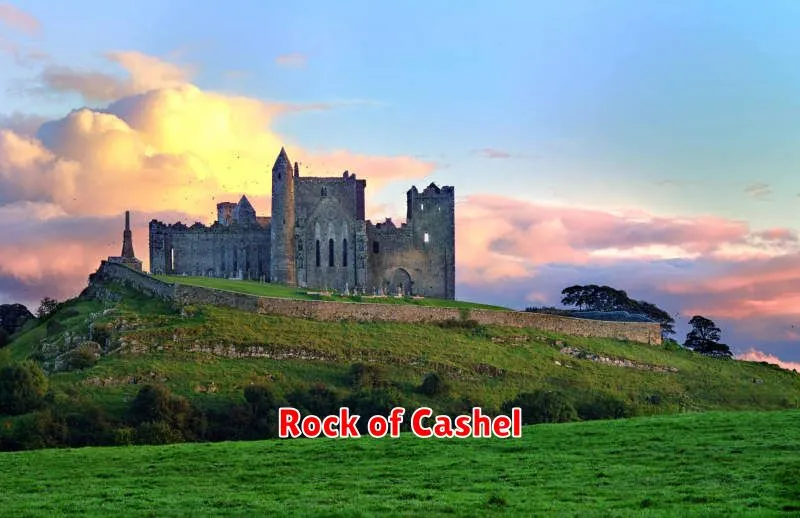
The Rock of Cashel, also known as St. Patrick’s Rock, is one of Ireland’s most remarkable historical sites, steeped in history and myth. Located in County Tipperary, the site offers a captivating glimpse into the country’s rich past, making it a must-see for anyone exploring the Emerald Isle.
The Historical Significance
This dramatic complex of medieval buildings sits atop a limestone hill. Once the seat of the Kings of Munster, the Rock of Cashel has seen numerous pivotal events throughout Irish history. In the 5th century, according to legend, St. Patrick himself performed a king’s baptism here, using a shamrock to explain the concept of the Holy Trinity.
Architectural Marvels
The site features an array of impressive architectural landmarks. Among them, the striking Cormac’s Chapel stands out, constructed in the early 12th century. It is renowned for its intricate Romanesque architecture and the oldest surviving murals in Ireland.
Main Highlights at Rock of Cashel:
- Round Tower – A 28-meter tower dating back to the 12th century, offering an impressive view over the surrounding countryside.
- Cathedral – Built between 1235 and 1270, the cathedral showcases the transitional style of that era.
- High Cross – This cross stands in the cemetery outside the cathedral and serves as an emblematic symbol of the site’s spiritual significance.
Visitor Experience
Today, the Rock of Cashel is open to the public, providing visitors with the opportunity to explore its ancient walls and learn about its fascinating stories through guided tours and informative displays. Standing atop the hill and gazing over the green plains below, you can truly appreciate the site’s enduring allure and its place in Irish cultural heritage.
