

Discover the allure of the Land of the Morning Calm in our riveting exploration of South Korea’s must-see destinations. From its bustling metropolises to its serene natural landscapes, South Korea offers an array of enchanting escapes that captivate and inspire travelers. This article dives into the heart of South Korea, highlighting its vibrant culture, delicious cuisine, and breathtaking sights that make every visit a memorable experience.
Join us as we unveil the country’s hidden gems and popular landmarks alike, each offering a unique perspective of Korean beauty and tradition. Whether you’re an urban adventurer or a nature enthusiast, South Korea promises a journey full of excitement and discovery. Let’s embark on this incredible journey and unravel the secrets of South Korea’s most captivating destinations.
Gyeongbokgung Palace
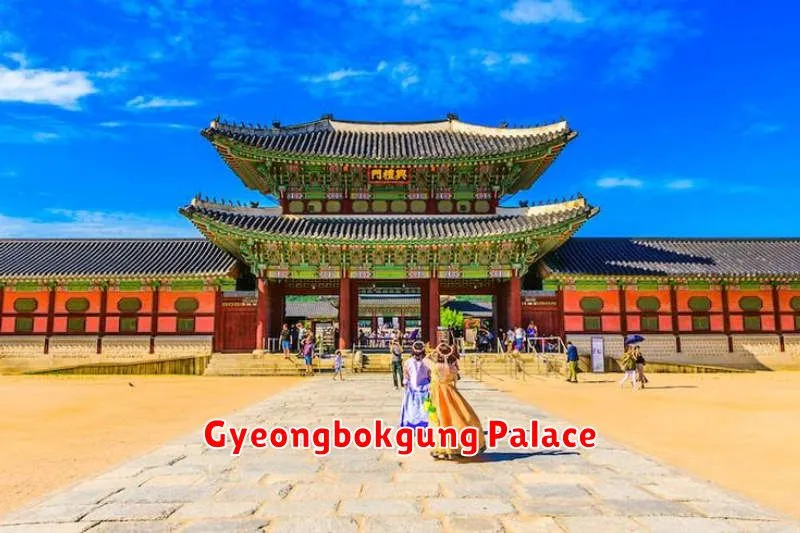
Gyeongbokgung Palace stands as a majestic reminder of South Korea’s royal past, nestled amidst the bustling heart of Seoul. As the largest of the “Five Grand Palaces” built during the Joseon Dynasty, its historical significance is unparalleled. Visitors to this magnificent landmark can explore a living tapestry of history that dates back to the late 14th century.
Historical Overview
Constructed in 1395, Gyeongbokgung was the main royal palace of the Joseon dynasty and housed the kings of the Joseon dynasty, the royal families, and the government of Joseon. Despite the passage of time and the challenges of war—such as its destruction during the Imjin War—this grand palace has been meticulously restored to its former glory.
Architectural Marvels
The palace’s architecture is a blend of elegant traditional Korean and Confucian styles, providing insight into the aesthetical values of the era. Some of the key structures visitors should not miss include:
- The Geunjeongjeon Hall, where royal ceremonies were held, exudes an aura of regal authority.
- The picturesque Gyeonghoeru Pavilion, set against a serene pond, is ideal for tranquil contemplation.
- The Hyangwonjeong Pavilion, perched upon a charming island in a lake, showcases the harmony between architecture and nature.
Cultural Experiences
Gyeongbokgung Palace is not just a static relic; it breathes with vibrant cultural experiences. Visitors have the opportunity to witness the Changing of the Guard Ceremony, an orchestrated and colorful traditional ritual. For a more immersive experience, enchanting hanbok rentals nearby invite tourists to don traditional Korean clothing, allowing them to wander the grounds in the guise of royalty from a bygone era.
The energy around Gyeongbokgung also spills over into surrounding attractions such as the National Palace Museum and the National Folk Museum, both offering enriching insights into Korean heritage.
Visitor Information
| Opening Hours | 9:00 AM – 5:00 PM (Closed on Tuesdays) |
|---|---|
| Admission Fee | Approximately 3,000 KRW for adults, with discounts for children and groups. |
As you tread through Gyeongbokgung, each step offers an invitation to delve deeper into South Korea’s profound royal narrative.
Bukchon Hanok Village
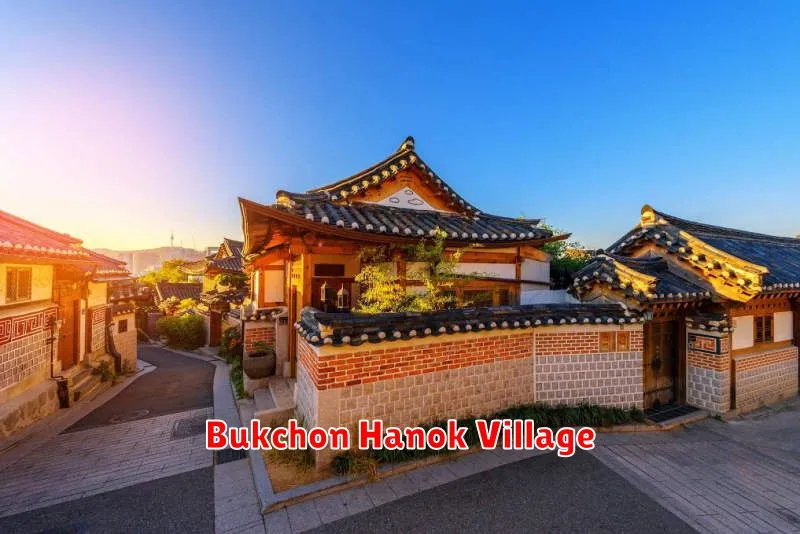
Bukchon Hanok Village is a picturesque enclave nestled in the heart of Seoul, offering a delightful blend of traditional Korean culture and exquisite charm. This stunning neighborhood is adorned with hanok, or traditional Korean houses, each with its own unique architectural beauty.
A Glimpse into the Past
Wander through the narrow alleyways and you’ll feel as if you’ve stepped back in time. These centuries-old homes are finely preserved, allowing visitors to experience a slice of Korea’s rich historical heritage. The intricate designs of the rooftops and elegant woodwork encapsulate a bygone era.
Key Highlights
- Panoramic Views: From various vantage points in the village, soak up breathtaking views of Seoul’s modern landscape juxtaposed with ancient motifs.
- Cultural Workshops: Engage in hands-on cultural workshops that teach traditional crafts like calligraphy and pottery.
- Tea Houses: Relax and enjoy a quiet moment in quaint tea houses tucked away in the village, offering a taste of authentic Korean tea culture.
Visitor Tips
For the best experience, visit during weekdays to avoid crowds. Also, consider wearing comfortable shoes, as the terrain involves a fair bit of walking on cobbled streets and inclined paths.
The timelessness and peaceful atmosphere of Bukchon Hanok Village provide a refreshing escape from the bustling city life, making it a must-visit destination for anyone yearning to explore Korea’s cultural depths.
N Seoul Tower
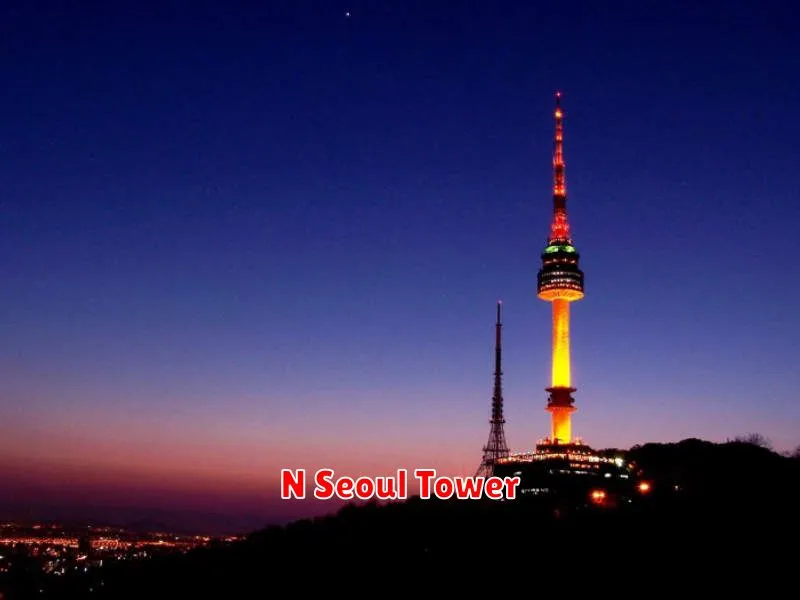
Perched atop Namsan Mountain in the heart of Seoul, the N Seoul Tower offers breathtaking panoramic views of the cityscape and beyond. As one of Seoul’s iconic landmarks, this tower is a must-visit for both locals and tourists seeking to capture the vibrant essence of the city from above.
A Landmark for All Seasons
No matter the season, the N Seoul Tower is a captivating sight. In spring, visitors are met with lush greenery and blooming flowers that frame their upward journey. Autumn paints the surroundings in hues of orange and red, creating a magical view complemented by the tower’s bright lights. Each season provides a unique backdrop, making every visit an unforgettable experience.
Activities and Attractions
Beyond the stunning views, the tower offers a variety of attractions. Visitors can enjoy a meal at the revolving restaurant, where every minute offers a new perspective of Seoul. The tower is also famous for its “Locks of Love,” where couples attach locks inscribed with their names to symbolize everlasting love. Ensuring everyone finds something enjoyable, the tower hosts exhibitions and cultural events throughout the year.
How to Get There
Access to the tower is made easy by cable cars, buses, and scenic hiking trails leading up Namsan Mountain. For those who prefer a leisurely stroll, the pathways are well-marked and offer a serene ascent with resting spots that provide picturesque views of Seoul.
| Transportation Option | Details |
|---|---|
| Cable Car | Departs from Hoehyeon Station, providing a quick and scenic ride. |
| Bus | Shuttle buses available from major subway stations around Seoul. |
| Hiking | Several trails available, offering beautiful nature walks. |
Whether you’re looking to enjoy a peaceful retreat or a romantic night under the stars, the N Seoul Tower promises a memorable visit, making it an essential addition to every traveler’s itinerary.
Jeju Island
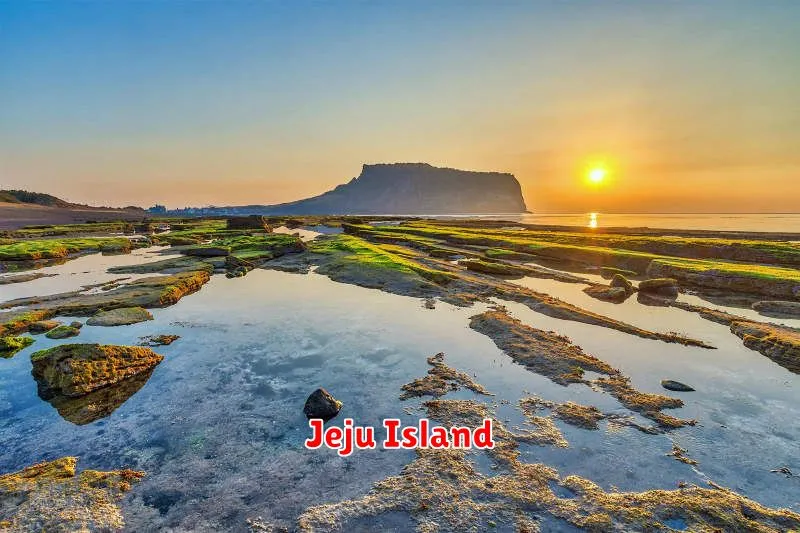
Nestled in the Korea Strait, Jeju Island is a paradise that promises enchanting escapes with its diverse natural landscapes and unique cultural heritage. Often referred to as the “Hawaii of Korea,” Jeju is a volcanic island famed for its stunning beaches, lush subtropical forests, and dramatic waterfalls.
Natural Wonders
The island is home to Hallasan, an extinct volcano and the highest mountain in South Korea. Adventurous travelers can explore its well-marked trails, which offer breathtaking vistas from the summit. Another geological wonder is the Manjanggul Cave, one of the longest lava tunnels in the world, presenting visitors with awe-inspiring natural formations.
Cultural Experiences
Jeju’s culture is just as diverse as its landscapes. The island is known for its matriarchal society, where Haenyeo, or female divers, dive into the sea without any special equipment to harvest sea life. This unique tradition showcases the resilience and strength of Jeju women and is a symbol of the island’s cultural identity.
Must-Visit Spots
- Seongsan Ilchulbong: Known as Sunrise Peak, this tuff cone offers a spectacular sunrise view worth waking up early for.
- Jeju Loveland: An outdoor sculpture park that showcases a quirky, adult-themed artistic exploration.
- Cheonjeyeon Waterfalls: A beautiful three-tier waterfall that provides a refreshing escape into nature.
Local Delicacies
Visitors should not miss the opportunity to sample Jeju’s culinary delights, such as Black Pork BBQ, and Jeju Orange, a fresh local citrus fruit. These unique flavors reflect the island’s rich culinary tradition and are sure to tantalize your taste buds.
Quick Facts about Jeju Island
| Aspect | Details |
|---|---|
| Area | 1,849 km² |
| Population | Approximately 670,000 |
| Main Language | Korean |
| Main Industries | Tourism, Agriculture |
DMZ

The Demilitarized Zone (DMZ) between North and South Korea is a unique destination that offers a glimpse into the tense stand-off and hopeful reconciliation between two nations. As a buffer zone, it stretches over 250 kilometers across the Korean Peninsula, serving as a stark reminder of the Korean War that ended in 1953.
A Journey Through History
Visitors to the DMZ can embark on a journey filled with history and political significance. Sites like the Third Infiltration Tunnel and the Dora Observatory provide unique perspectives of both the South and the North. At the tunnel, you can experience firsthand the tension of Cold War-era espionage efforts, as it was one of the many tunnels dug by North Korea.
Key Attractions at the DMZ
- Panmunjom (Joint Security Area) – Witness where leaders meet and historical agreements are made.
- Dora Observatory – Get a closer look at the North Korean landscape and village, Kijong-dong.
- The Bridge of No Return – Understand the poignant history of divided families during the Korean War.
Each location within the DMZ presents a profound understanding of the ongoing tension and the persistent hope for peace and reunification. Guided tours are available, offering insight from knowledgeable experts who help interpret the historical and political significance of each site.
Visitor Information
It’s important to note that visiting the DMZ requires prior arrangement through guided tours, and visitors must follow strict guidelines due to the sensitive nature of the area. This unique destination combines both historical importance and natural beauty, making it a must-see for those wanting to grasp the nuanced history of Korea.
Bulguksa Temple

Bulguksa Temple stands as a magnificent testament to South Korea’s rich spiritual heritage. Situated in the rolling landscapes of Gyeongju, this iconic temple complex offers a serene escape into the country’s ancient Buddhist traditions. Built during the Silla Dynasty, it has been recognized as a UNESCO World Heritage Site for its outstanding architecture and cultural significance.
Architectural Marvel
The temple’s architecture is a stunning blend of harmony and craftsmanship. Visitors are often captivated by the intricately designed pagodas, colorful pavilions, and serene courtyards. Among them, the Dabotap and Seokgatap Pagodas are celebrated examples of classic Buddhist construction, symbolizing the peaceful coexistence of humans and nature.
The Spiritual Essence
Beyond its architectural beauty, Bulguksa Temple offers a spiritual retreat for those seeking tranquility. The serene environment, combined with the chanting of monks, creates an atmosphere of contemplation and peace. It is not uncommon to witness both locals and tourists participating in prayer rituals, seeking inner peace and blessings.
Interesting Facts
- The temple was first constructed in 528 AD during the reign of King Beopheung.
- It houses several national treasures, including stone pagodas and gilded bronze Buddhas.
- It underwent extensive restoration in the 1970s to preserve its historical and cultural integrity.
Visiting Tips
To fully experience the serene beauty of Bulguksa Temple, visit during the early morning hours when the temple grounds are less crowded. Don’t miss the mesmerizing sunrise illuminating the temple’s golden facades—which provides a perfect backdrop for reflection and photography.
Seoraksan National Park
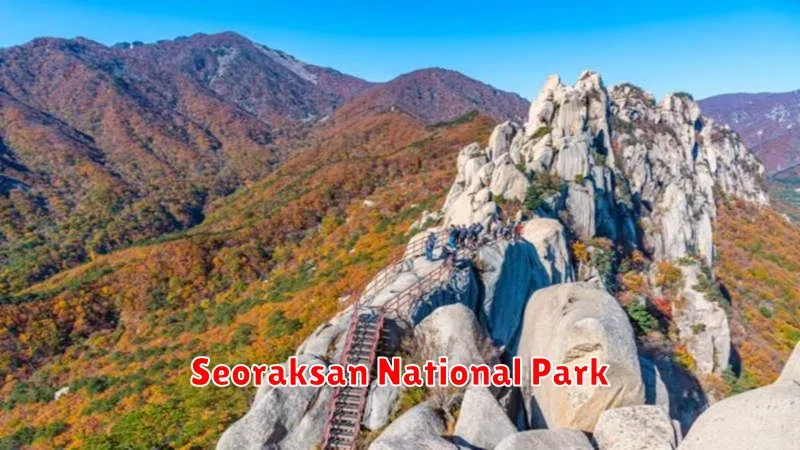
Nestled in the northeastern corner of South Korea, Seoraksan National Park is a truly breathtaking locale that offers adventurers a unique blend of natural beauty and cultural treasures. Known as one of the country’s most picturesque destinations, it attracts visitors year-round with its craggy peaks, crystal-clear streams, and vibrant flora and fauna.
Majestic Mountains
The centerpiece of the park is Seoraksan Mountain, which towers over the landscape with its rugged ridges and jagged peaks. For hiking enthusiasts, the mountain offers a variety of trails suitable for all levels, from leisurely walks to challenging climbs. Daecheongbong Peak, the tallest in the park, rewards those who reach its summit with panoramic views that are nothing short of spectacular.
Rich Biodiversity
Seoraksan National Park is a haven for biodiversity, boasting an impressive range of plant and animal species. The park is home to over 1,500 plant species and various wildlife, including the elusive Asian black bear and musk deer. For nature lovers, Seoraksan provides a rare opportunity to explore pristine ecosystems up close.
Highlights of Seoraksan
- Ulsanbawi Rock: A challenging climb rewarded by stunning views.
- Sinheungsa Temple: A historic Buddhist temple with a giant bronze Buddha.
- Biryong Falls: A graceful waterfall that’s a perfect stop on a scenic hike.
Travel Tips
To make the most of your visit, consider planning your trip during the autumn months when the park’s foliage turns into a symphony of colors. However, each season offers its own unique charm, from blooming wildflowers in the spring to winter’s snow-dusted peaks.
Whether you’re seeking adventure, tranquility, or a glimpse into South Korea’s natural heritage, Seoraksan National Park stands out as an essential destination that promises an unforgettable experience.
Busan
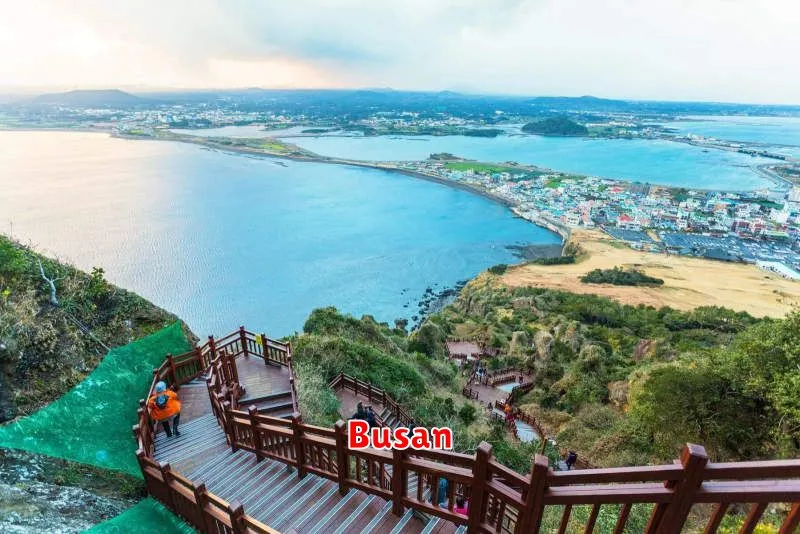
The vibrant city of Busan is a captivating blend of coastal beauty, urban excitement, and cultural richness, making it a must-see destination in South Korea. Nestled on the southeastern coast, this bustling port city is the perfect getaway for travelers eager to explore its dynamic offerings.
Haeundae Beach
Arguably Korea’s most famous beach, Haeundae offers a stunning stretch of sand surrounded by urban landscapes. Its lively atmosphere, lined with cafes and hotels, makes it ideal for both relaxation and entertainment. During the summer, the beach is a hotspot for sunbathers and swimmers.
Gamcheon Culture Village
Known as the “Santorini of the East,” Gamcheon Culture Village is a picturesque hillside neighborhood with pastel-colored houses, vibrant street art, and narrow alleyways. Visitors can wander through this artistic enclave, discovering quaint cafes and shops along the way.
Local Cuisine: A Taste of Busan
Busan is renowned for its delicious seafood, but the city’s culinary scene offers much more. Don’t miss trying tteokbokki (spicy rice cakes), dongnae pajeon (green onion pancake), and the unique milmyeon (cold wheat noodles). The bustling Jagalchi Market is a paradise for seafood lovers.
Busan’s Nightlife
The vibrant nightlife in Busan offers everything from trendy clubs in the Seomyeon district to more traditional night markets and karaoke bars. Whether you’re looking to dance the night away or enjoy a quiet night walk along Gwangalli Beach to view the illuminated Gwangan Bridge, Busan has something for everyone.
Must-Visit Sites in Busan
- Haedong Yonggungsa Temple: A stunning seaside Buddhist temple offering breathtaking views of the ocean.
- Beomeosa Temple: Nestled on the slopes of Geumjeongsan Mountain, this temple is a peaceful retreat away from the city’s hustle.
- Busan Tower: For panoramic views of the city and harbor, head to this iconic landmark located in Yongdusan Park.
With so much to offer, Busan is a traveler’s paradise blending natural beauty and urban charm, ensuring unforgettable experiences throughout your journey.
Andong Hahoe Folk Village
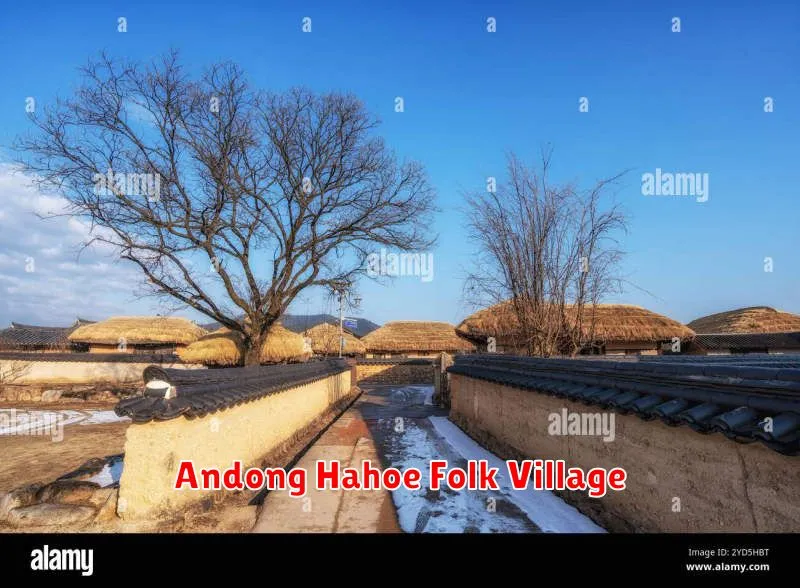
Step into a world where tradition and culture intertwine flawlessly at the Andong Hahoe Folk Village. Nestled in the heart of South Korea, this village offers a rare glimpse into the past, providing an invaluable snapshot of Joseon Dynasty life. As a UNESCO World Heritage Site, it’s a mecca for those looking to explore the deeper roots of Korean history.
Authentic Korean Architecture
One of the most striking features of the village is its authentic architecture. Hanoks, traditional Korean houses, are beautifully preserved and showcase the timeless craftsmanship and architectural ingenuity of a bygone era. Wander through narrow alleyways flanked by these remarkable structures and immerse yourself in a world where time stands still.
Cultural Experiences
While visiting, make sure to engage with the local customs and experience the vibrant cultural tapestry woven by the residents. Participate in a traditional mask dance performance, known as Hahoe Byeolsingut Tallori, or admire Korean paper art—the sights and sounds are as enchanting as they are informative.
Notable Residents
The village is also renowned for being the birthplace of some of Korea’s most notable historical figures, including the famed scholar Ryu Seong-ryong. His legacy continues to enrich the cultural identity of this quaint but significant locale.
Visitor Information
Whether you’re a historian at heart or simply a curious traveler, the Andong Hahoe Folk Village holds endless fascination. Here’s a quick guide:
- Best Time to Visit: Spring and autumn provide the most pleasant weather.
- Entrance Fee: A small fee is required; prices vary for adults, children, and groups.
- Guided Tours Available: English-speaking guides offer in-depth insights.
Allow the Andong Hahoe Folk Village to transport you through time, offering a serene escape into the vibrancy of South Korea’s celebrated past.
Boseong Green Tea Fields
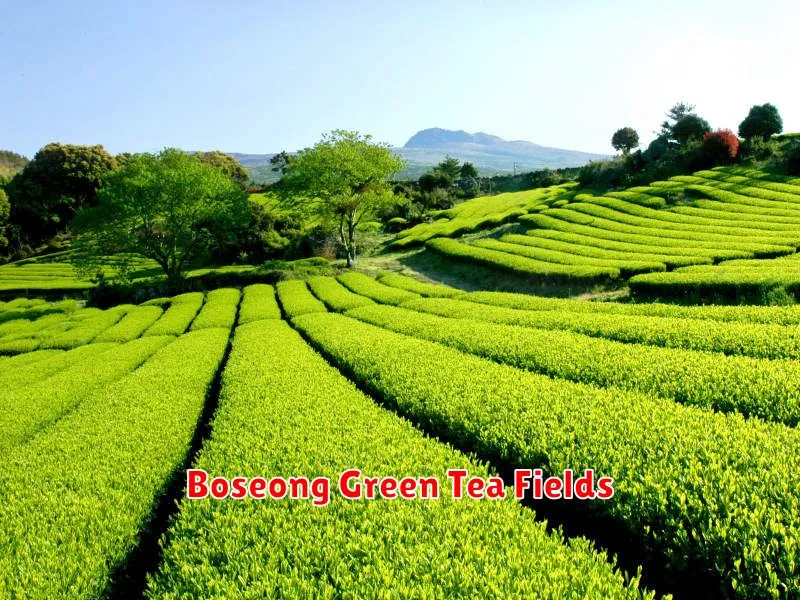
Nestled in the heart of South Korea’s Jeollanam-do province, the Boseong Green Tea Fields present a captivating panorama that feels like a scene straight out of a painting. Known for its lush landscapes and meticulously manicured rows of verdant green tea plants, Boseong is the undisputed tea capital of the nation.
A Journey Through the Green Miles
Spanning over an area of 5 million square meters, the tea fields in Boseong offer an invigorating escape to nature lovers and photography enthusiasts. As you stroll through the seemingly endless rows of tea bushes, you can savor the earthy aroma that hangs in the warm, misty air.
A Taste of Tradition
While you’re there, indulge in a unique experience of authentic Korean green tea tasting. Visitors have the opportunity to taste freshly brewed tea that has been cultivated using methods refined over centuries. Sampling these delicacies offers a deep dive into the region’s storied history and its rich cultural tapestry.
Annual Green Tea Festival
If your visit coincides with the annual Boseong Green Tea Festival, you are in for a treat! This festival, typically held in May, celebrates the rich heritage of tea production with a variety of activities including cultural performances, tea-picking contests, and traditional tea-making ceremonies.
Quick Facts
- Location: Jeollanam-do province, South Korea
- Best Time to Visit: Spring (April to June)
- Unique Feature: Famous for its stunning views, especially when mist blankets the fields in the early morning.
- Activities: Tea tasting, guided tours, festival participation
