
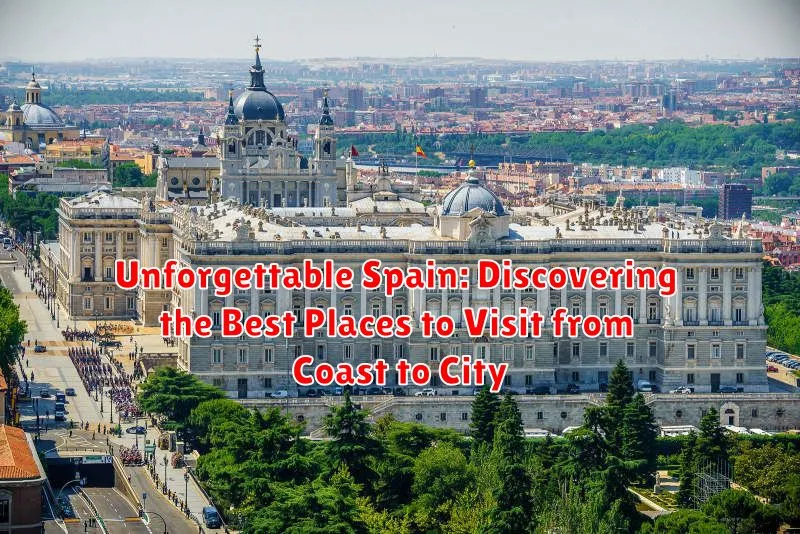
Spain, a vibrant tapestry of culture, history, and stunning landscapes, seamlessly weaves together its historic treasures with its modern marvels. From the golden sun-kissed beaches of the Mediterranean to the bustling streets of its cosmopolitan cities, this enchanting country promises an unforgettable journey into a realm of diverse experiences. Whether you’re a history buff eager to wander through ancient ruins or a foodie ready to indulge in the local cuisine, Spain’s charm is both beguiling and irresistible.
Join us as we embark on a captivating exploration of the best places to visit in Spain. From the coastal allure of Marbella’s sandy shores to the vibrant energy of Barcelona’s urban landscape, each destination offers its own unique slice of the Spanish lifestyle. Embrace the opportunity to discover the untold stories and hidden gems that make Spain a must-visit destination on every travel enthusiast’s list.
Sagrada Família
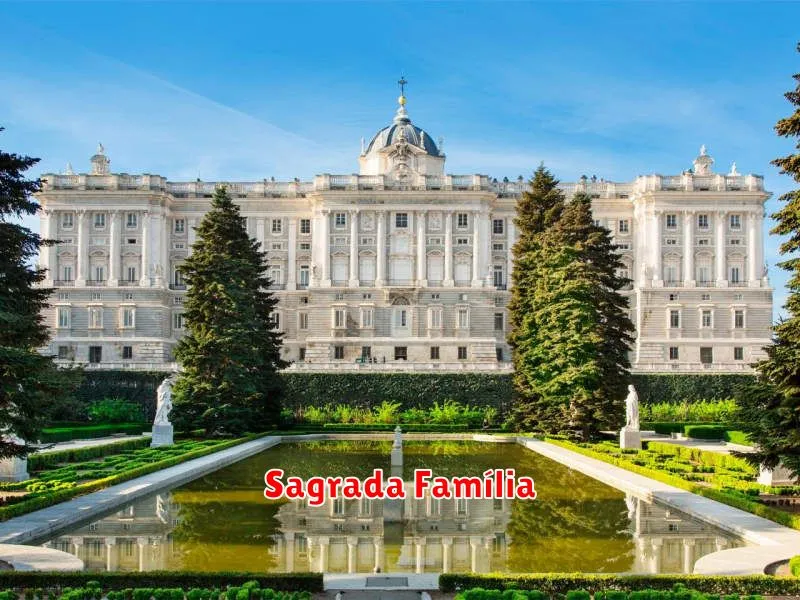
One cannot experience Barcelona without making a pilgrimage to the phenomenal Sagrada Família. Designed by the legendary architect Antoni Gaudí, this basilica is not only a marvel of religious architecture but also an embodiment of Catalonia’s rich culture and innovation. The Sagrada Família tells a story of over a century of dedication, as its construction began in 1882 and continues to this day, its magnificent towers reaching ambitiously towards the heavens.
The Architectural Wonder
Antoni Gaudí’s vision was nothing short of revolutionary. The vibrant facades of the Sagrada Família represent different biblical themes, and each of the basilica’s eighteen spires is dedicated to a religious figure, creating a symbolic representation of faith. The Nativity Facade, recognized as a UNESCO World Heritage site, exudes a nature-inspired design, reflecting Gaudí’s love for the natural world.
Inside the Basilical Masterpiece
Upon stepping inside, visitors are greeted by soaring columns that resemble ancient trees, creating a canopy effect that allows light to dance across the interior. Gaudí’s unique mastery of color and light is evident in the kaleidoscope of stained glass windows, casting a prismatic light across the space. The interior of Sagrada Família is designed to make one feel at once insignificantly minute and spiritually elevated.
Key Highlights:
- Nativity Facade: Detailed with intricate sculptures and vibrant details.
- Passion Facade: A stark contrast with a modernist design and somber elements.
- Glory Facade: Currently under construction, this will be the largest and most monumental facade.
- Central Nave: Filled with illuminating light from the mesmerizing stained glass.
Embarking on a tour of Sagrada Família offers an immersive experience into Gaudí’s spirit, reflecting his faith, artistic prowess, and bold approach to organic architectural design. The basilica stands as a testament to vision, patience, and the timelessness of artistry.
Park Güell
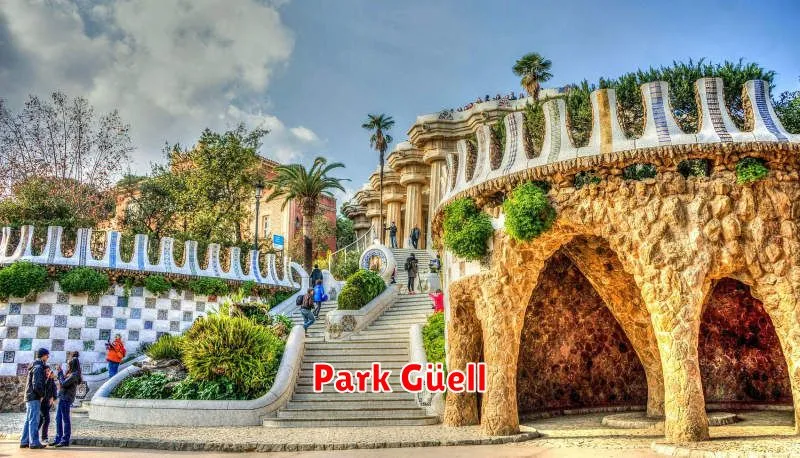
Nestled in the vibrant city of Barcelona, Park Güell stands as a testament to the ingenious work of the acclaimed architect Antoni Gaudí. Originally designed as a residential project, this stunning park has evolved into one of the most iconic landmarks in Spain, enveloping visitors in a world of color, creativity, and natural beauty.
Artistic Marvels
The moment you step into Park Güell, you’re greeted with an explosion of colors and intricate tile work that exemplifies Gaudí’s distinctive style. The park is home to the famous ceramic mosaic dragon, known as “El Drac,” located on its grand entrance staircase. This architectural masterpiece is a magnificent representation of Gaudí’s advanced approach to art and nature.
Structures and Spaces
- Porter’s Lodge: Two pavilions at the entrance showcase imaginative shapes that epitomize Gaudí’s vision.
- Nature Square: This expansive terrace, with a vibrant mosaic border, provides panoramic views of the city.
- Hypostyle Room: A forest of columns forming a striking space that underpins Nature Square above it.
Connecting with Nature
Intertwined with Gaudí’s artwork are lush gardens and pathways that perfectly blend with the artist’s creations. His intention was to create a space that harmonized natural elements with architectural splendor, allowing visitors to experience tranquility amidst the bustling cityscape. The park’s layout and landscaping encourage wanderlust, inviting travelers to explore and soak in its vibrant ambiance.
Visitor Information
Park Güell is open year-round, offering a unique experience in every season. Early arrival is recommended to beat the crowds and enjoy a serene atmosphere. Whether you’re an enthusiast of architecture, a lover of nature, or simply looking to enjoy a peaceful retreat, Park Güell promises a memorable journey through Gaudí’s visionary world.
Alhambra
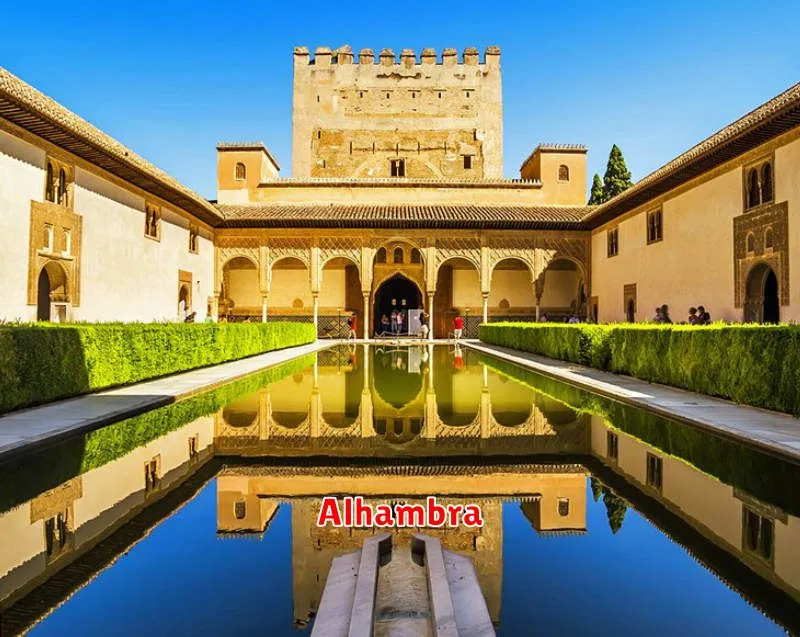
Alhambra is a breathtaking masterpiece that is the epitome of Moorish architecture. Located in the city of Granada, this palatial fortress stands as a testament to the incredible blend of Islamic art and the natural beauty of southern Spain. As you approach this stunning landmark, you will be greeted by an impressive panorama of intricately designed towers, lush gardens, and awe-inspiring palaces.
The history of Alhambra dates back to the mid-13th century when it was built as a small fortress before being transformed into a royal palace by the Nasrid emirs. The Palacio de los Leones, one of its most iconic buildings, is adorned with delicately carved stone and an exquisite fountain supported by twelve lions. The Alcazaba, the oldest part of the complex, offers striking views of the surrounding landscape from its watchtower.
When visiting Alhambra, make sure to explore the Generalife, the summer palace and gardens of the Nasrid rulers. The serene pathways, tranquil water features, and vibrant plant life create a magical, peaceful escape from the lively city. Each part of Alhambra tells its own story, etched in the detailed mosaics and calligraphy that embellish its walls.
Must-See Highlights
- Nasrid Palaces – Discover the stunning interiors of the royal complex.
- Patio de los Arrayanes – Admire the reflective pool encircled by ornate arches.
- Hall of the Abencerrajes – Marvel at its exquisite star-shaped dome.
Visiting Alhambra is an absolute must for anyone exploring Spain, offering a rare glimpse into the rich cultural heritage of Andalusia. Remember to book your tickets in advance, as access to this UNESCO World Heritage Site can be limited during peak seasons.
Royal Palace of Madrid
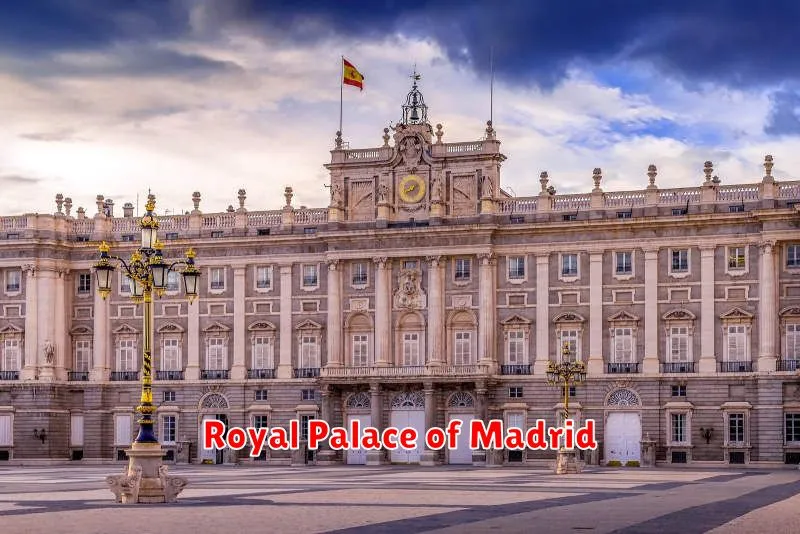
The Royal Palace of Madrid, or “Palacio Real,” is an iconic symbol of Spain’s rich heritage and majestic past. As Europe’s largest palace in terms of floor area, it offers a splendid glimpse into the country’s royal history. Nestled in the heart of Madrid, this architectural masterpiece is often described as a living museum, preserving Spanish culture and art.
Constructed in the 18th century, the palace has been the official residence of the Spanish royal family, although it is now used exclusively for state ceremonies. The palace boasts over 3,000 rooms, each more lavish than the last, with many of them open for public viewing. Visitors can marvel at the exquisite furnishings, stunning frescoes, and various art treasures that adorn its opulent walls.
Highlights of the Palace
- Throne Room: This splendid room is adorned with magnificent chandeliers and red velvet decor, showcasing the grandiosity of the Spanish monarchy.
- Royal Armory: One of the world’s most significant collections of armaments, featuring weapons and armor from the 13th century onwards.
- Painting Gallery: Home to masterpieces by artists such as Caravaggio and Velázquez, this gallery is a haven for art enthusiasts.
In addition to its breathtaking interiors, the palace also offers stunning views of the Campo del Moro gardens and the cityscape of Madrid. Whether you’re a history buff or simply looking to bask in the grandeur of royal life, the Royal Palace of Madrid promises an unforgettable experience.
Plaza Mayor
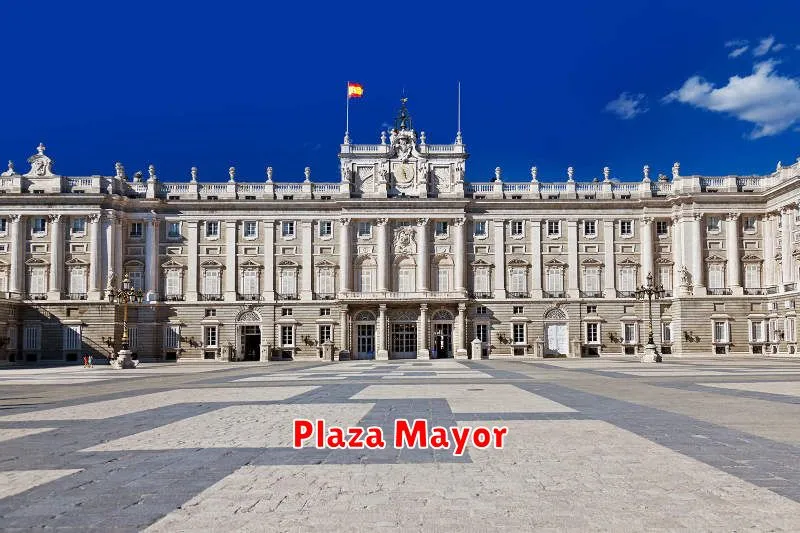
Located in the heart of Madrid, the Plaza Mayor is a central plaza steeped in cultural significance and historic charm. Originally built in the late 15th century and later remodeled, this grand rectangular square is surrounded by stunning Spanish architecture, including red-brick residential buildings with beautifully arched arcades.
A Historical Overview
The Plaza Mayor has a fascinating history. It began as a market square and evolved through time into a venue for diverse events such as royal coronations, bullfights, and even inquisitions. Its central location makes it an ideal spot for visitors seeking to experience local life in Madrid.
Below is a quick timeline of Plaza Mayor’s transformation over the years:
| Year | Event |
|---|---|
| 1619 | Inauguration as a formal plaza |
| 1790 | Reconstruction after a fire |
| 1899 | Final renovations completed |
What to See and Do
Today, Plaza Mayor is a vibrant gathering place where locals and tourists mingle amidst a backdrop of historic splendor. A key highlight is the statue of King Philip III at its center, honoring the monarch who commissioned the square’s construction. The pedestrian-friendly area is perfect for leisurely strolls, enjoying street performances, or savoring authentic Spanish cuisine at the many open-air cafes lining the plaza.
- Visit the Arco de Cuchilleros: This iconic arch provides access to the plaza from the surrounding streets and offers a perfect photo opportunity.
- Indulge in Spanish Delicacies: Try local specialties like churros and jamón ibérico at nearby eateries.
- Seasonal Markets: Time your visit with seasonal markets hosted within the plaza, such as the charming Christmas market.
Whether visiting for its historical significance or simply to enjoy its vibrant atmosphere, Plaza Mayor is an unmissable highlight of any trip to Madrid.
Seville Cathedral
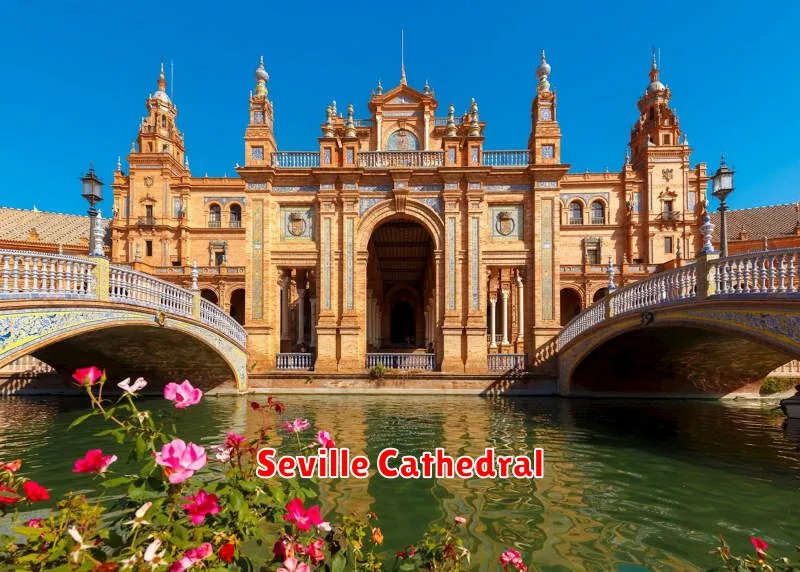
Located in the heart of beautiful Seville, the Seville Cathedral, also known as the Catedral de Santa María de la Sede, is a magnificent testament to Gothic architecture and a vital part of Spain’s rich cultural tapestry. This architectural wonder stands as the world’s largest Gothic cathedral and has been a UNESCO World Heritage Site since 1987.
Historical Significance
The construction of Seville Cathedral began in 1401 and was completed in 1528. Built on the site of a former mosque, this imposing structure reflects the height of Seville’s wealth during the medieval period, showcasing its intention to showcase its power. The cathedral not only serves as a place of worship but also as a symbol of the city’s prosperity and influence.
Remarkable Features
- La Giralda Tower: Originally built as a minaret for the mosque, La Giralda is now the bell tower of the cathedral, offering stunning views of Seville.
- Main Altar: The main altar, also known as the Retablo Mayor, is one of the largest and most elaborate in the world, constructed over 80 years.
- Christopher Columbus’s Tomb: Within the cathedral, you can find the grand tomb of the famous explorer, though the authenticity of the remains has been debated.
Visitor Information
Visitors today can explore this awe-inspiring cathedral’s labyrinth of chapels and admire its intricate artwork. Entry typically includes access to La Giralda, allowing for an experience of both architectural brilliance and panoramic scenery.
Visiting Tips
- Arrive early to avoid long queues.
- Consider a guided tour to enhance your understanding of the site’s history.
- Wear comfortable shoes as you will be exploring both the cathedral and La Giralda tower.
City of Arts and Sciences
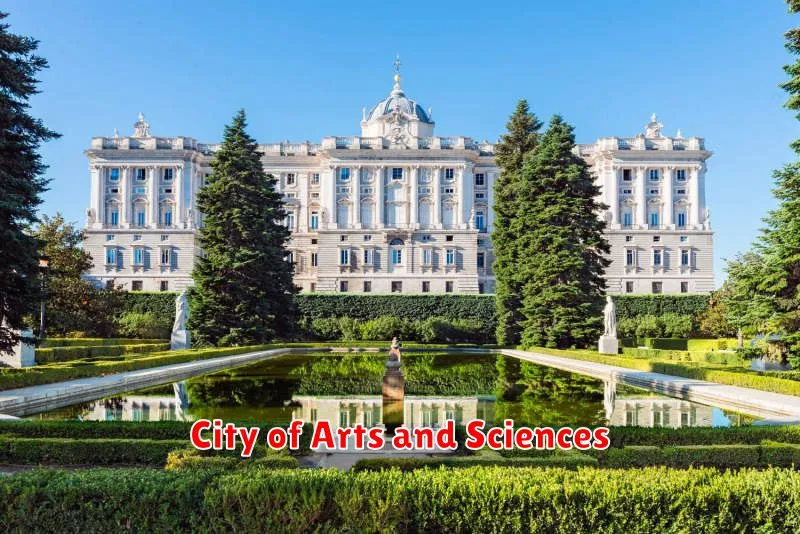
Located in the heart of Valencia, the City of Arts and Sciences is a spectacular architectural complex that has become a must-see for visitors exploring the wonders of Spain. Designed by the renowned architect Santiago Calatrava, this modern architectural masterpiece offers an intriguing blend of art, science, and nature.
Explore the Architectural Wonders
The City of Arts and Sciences is a collection of futuristic structures that offer a glimpse into the future of design. The complex features several key buildings, each with its own unique purpose and architectural brilliance.
- L’Hemisfèric: An extraordinary IMAX cinema, planetarium, and laserium that resembles a giant eye peering out into the world.
- El Museu de les Ciències Príncipe Felipe: An interactive science museum designed to educate and inspire curiosity around scientific phenomena.
- L’Umbracle: An open-access garden with beautiful landscaped paths lined with native Valencian plant species.
- Palau de les Arts Reina Sofia: A magnificent opera house and performing arts center that hosts a variety of concerts and operatic productions.
- L’Oceanogràfic: The largest oceanographic aquarium in Europe, home to marine life from various parts of the world.
Engaging Experiences
Visitors can expect more than just stunning visuals from this vast complex. The City of Arts and Sciences offers a rich array of experiences sure to captivate visitors of all ages. Engage your senses as you delve into hands-on exhibits at the science museum or be awestruck by the awe-inspiring performances at the opera house.
Whether you’re wandering through the futuristic structures, marveling at the immersion experiences, or simply enjoying a peaceful stroll through the gardens, the City of Arts and Sciences is a testament to Spain’s dedication to cultural and scientific advancement.
Ibiza
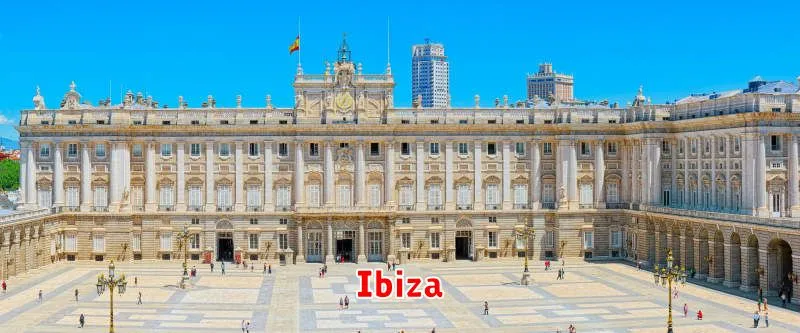
When one thinks of Ibiza, the first image that often comes to mind is its legendary nightlife. This iconic Spanish island in the Mediterranean is renowned for its world-class clubs and beach parties, attracting music lovers and party-goers from around the globe. However, there is a lot more to Ibiza than just vibrant nightlife.
Beyond the Clubs
Ibiza is rich in natural beauty, offering some of the most stunning beaches and scenic landscapes in Spain. Visitors can explore secluded coves, crystal-clear turquoise waters, and picturesque coastal cliffs that are perfect for a day of relaxation or adventure sports like snorkeling and kayaking.
Historical Charm
The island’s historic quarter, Dalt Vila, is a UNESCO World Heritage Site and provides a stark yet beautiful contrast to its modern party reputation. Stroll through its cobblestone streets and discover the ancient fortified walls, quaint cafés, and artisan shops that offer a glimpse into the island’s rich history and culture.
Gastronomic Delights
Ibiza also boasts a diverse culinary scene that ranges from traditional Spanish dishes to innovative international cuisine. Whether dining at a seaside restaurant or a local taverna, the island offers fresh and flavorful meals made with locally sourced ingredients such as seafood and organic produce.
- Traditional Ibizan dishes worth trying include Bullit de Peix (fish stew) and Sofrit Pagès (meat fry).
- Don’t miss the sunset views at the iconic Café del Mar.
Festivals and Events
Ibiza hosts several annual festivals and cultural events that highlight its artistic and musical heritage. These events offer a unique opportunity to experience the island’s traditions and enjoy performances by international and local artists.
Whether you’re visiting for its nightlife, natural beauty, or cultural heritage, Ibiza offers a multifaceted experience that makes it a standout destination in Spain. It’s no wonder that many leave the island with cherished memories and plans to return year after year.
Costa Brava: A Coastal Paradise
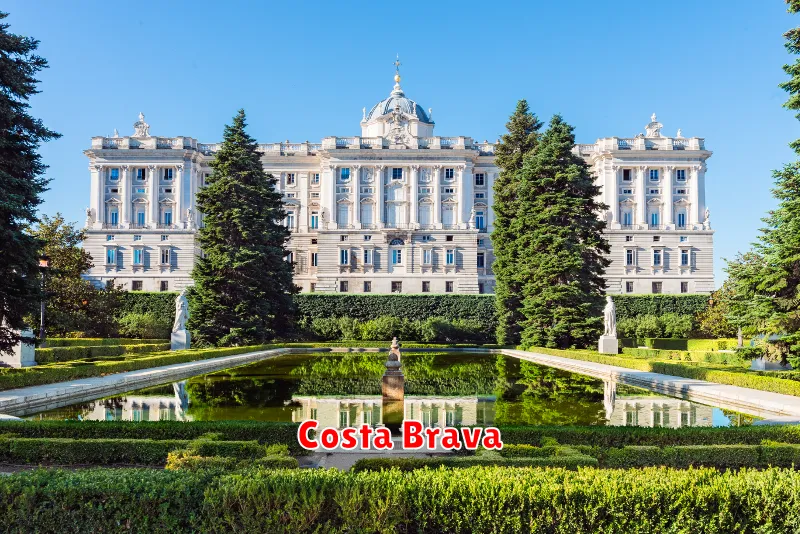
The Costa Brava, meaning “Wild Coast,” rightly lives up to its name with its rugged cliffs, hidden coves, and pristine beaches stretching across the northeastern coast of Spain. This enchanting region, nestled between the azure waters of the Mediterranean Sea and the vibrant culture of Catalonia, offers a perfect escape for those looking to explore both natural beauty and rich history.
Sun-Kissed Beaches and Hidden Coves
The Costa Brava is renowned for its idyllic beaches, where the sun shines almost year-round. Some of the most popular spots include the golden sands of Platja de Castell, the beautiful bay of Cala Sa Conca, and the picturesque Cala Aigua Xelida. Whether you’re seeking a relaxing sunbathing session or thrilling water sports like snorkeling and kayaking, there’s a beach for every mood and activity.
Charming Coastal Villages
Along the coast, visitors will encounter charming villages such as Begur, with its medieval streets and hilltop castle, and Tossa de Mar, known for its well-preserved Roman and medieval ruins. These villages provide a perfect glimpse of traditional Spanish life, with quaint plazas, bustling markets, and delicious local cuisine.
Cultural Richness and Activities
In addition to its natural allure, Costa Brava boasts a wealth of cultural landmarks. Art lovers can follow in the footsteps of Salvador Dalí by visiting the Dalí Theatre-Museum in Figueres and the surreal Cap de Creus Natural Park which inspired many of his works.
For those who enjoy active pursuits, the region offers an array of hiking and cycling trails, providing breathtaking views of the coastline and hinterlands. The Camí de Ronda, a traditional coastal path, is a favorite among hikers, offering unparalleled vantage points and access to secluded spots along the coast.
Costa Brava Quick Facts
| Attraction | Highlight |
|---|---|
| Platja de Castell | Unspoiled sandy beach |
| Begur | Charming medieval village |
| Dalí Theatre-Museum | Surrealist art gallery |
Whether you’re a beach lover, history enthusiast, or adventure seeker, Costa Brava is a destination that promises an unforgettable Spanish experience, away from the hustle and bustle of city life.
Santiago de Compostela Cathedral
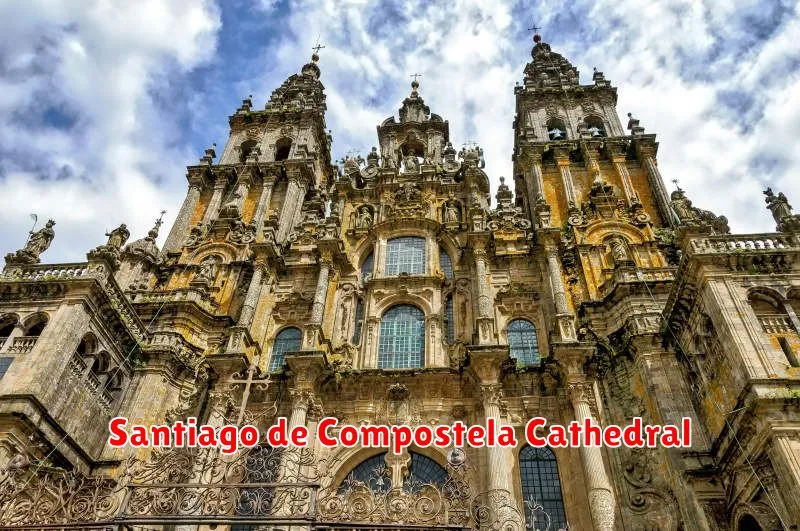
The Santiago de Compostela Cathedral is not just a remarkable piece of architecture; it is a profound symbol of faith and history intertwined. Located in the historic northwest region of Galicia, this majestic cathedral marks the culmination of the famed Camino de Santiago pilgrimage route, attracting thousands of visitors each year.
A Deep Dive into the Cathedral’s History
Constructed over several centuries, the cathedral is a blend of Romanesque, Gothic, and Baroque styles, each layer adding depth to its unique history. It is believed to be the burial site of Saint James the Great, an apostle of Jesus Christ, and has been a pilgrimage destination for over a thousand years.
The original building was consecrated in 1211, and over time, various additions and renovations introduced new architectural elements. The grandeur of the Platerías façade and the majesty of the Pórtico da Gloria, a masterpiece by the medieval sculptor Maestro Mateo, speak volumes of its artistic significance.
Highlights of a Visit
When stepping into the cathedral, visitors cannot miss the magnificent Botafumeiro, one of the largest incense burners in the world, often swung impressively during certain services. Don’t forget to climb to the rooftop; the panoramic views of the city are both breathtaking and serene, offering a moment of reflection after your journey.
- Location: Praza Obradoiro, 15704 Santiago de Compostela, A Coruña, Spain
- Opening Hours: Daily, from 7:00 AM to 8:30 PM
- Must-See: The High Altar, Chapel of the Reliquary, and the Crypt
Good to Know
Every year on July 25th, the Feast of Saint James is celebrated with fervor and enthusiasm, making it an ideal time to visit to experience the vibrant local culture and traditions firsthand. Whether you’re a pilgrim or a traveler, the Santiago de Compostela Cathedral offers a spiritual and historical journey like no other.
