

Welcome to the enchanting world of the United Kingdom, a land where timeless traditions meet modern wonders. Whether you’re a history buff, an adventurer, or simply someone who loves to explore new cultures, the UK offers a myriad of must-see destinations that promise an unforgettable experience. From iconic landmarks to hidden gems, every corner of the UK has something special waiting to be discovered.
Embark on a journey across the diverse landscape of this incredible country. From the rolling hills of the English countryside to the rugged coastlines of Scotland, each destination offers its own unique charm. Join us as we unveil the best places to visit in the UK, guiding you through picturesque villages, vibrant cities, and awe-inspiring natural wonders. This comprehensive list will ignite your wanderlust and inspire your next UK adventure!
The Broads National Park
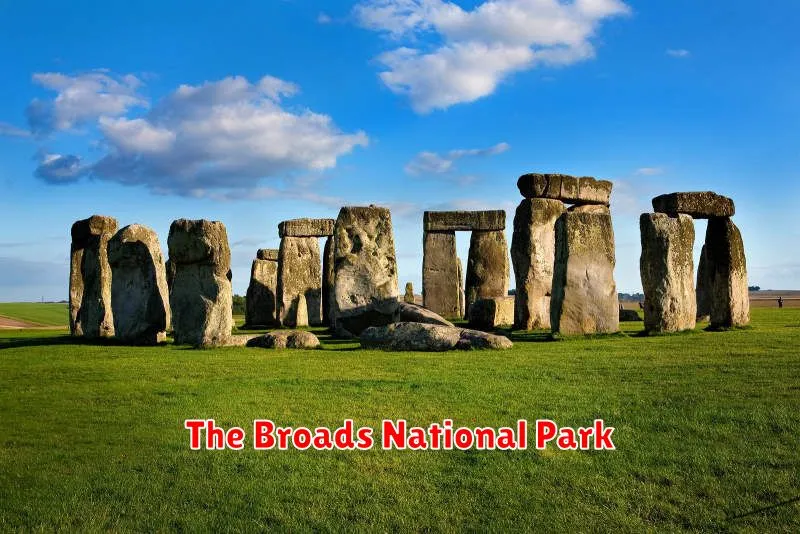
If you’re in search of serene waterways, picturesque landscapes, and a diverse array of wildlife, The Broads National Park is a must-visit destination in the UK. Situated in the heart of Norfolk and Suffolk, this unique landscape invites you to explore its tranquil beauty.
Explore the Waterways
The hallmark of The Broads is its extensive network of rivers and lakes, forming over 125 miles of navigable waterways. Whether you’re keen on hiring a boat or prefer kayaking, these waters offer a refreshing way to discover the park’s hidden gems. Cruising through these waterways provides a unique perspective, revealing a world teeming with life and natural beauty.
Wildlife Wonder
Home to a rich variety of wildlife, including rare species of birds, butterflies, and plants, The Broads is a haven for nature enthusiasts. Keep an eye out for the majestic marsh harrier or the elusive bittern. The landscape is also dotted with windmills and reed beds, adding to its rustic charm.
Activities for All Ages
- Boating and Water Sports: With opportunities for sailing, canoeing, and paddle boarding, water enthusiasts will find plenty of adventure.
- Walking and Cycling: Enjoy the scenic trails, such as the Wherryman’s Way, that meander through beautiful countryside.
- Fishing: With an abundance of fish, including bream, pike, and perch, anglers will relish the chance to cast their lines.
Plan Your Visit
A visit to The Broads is not complete without stopping by one of the charming villages along its banks, such as Wroxham or Horning. Here, you can enjoy local cuisine, shop for artisan crafts, and immerse yourself in the welcoming local culture.
The Cotswolds
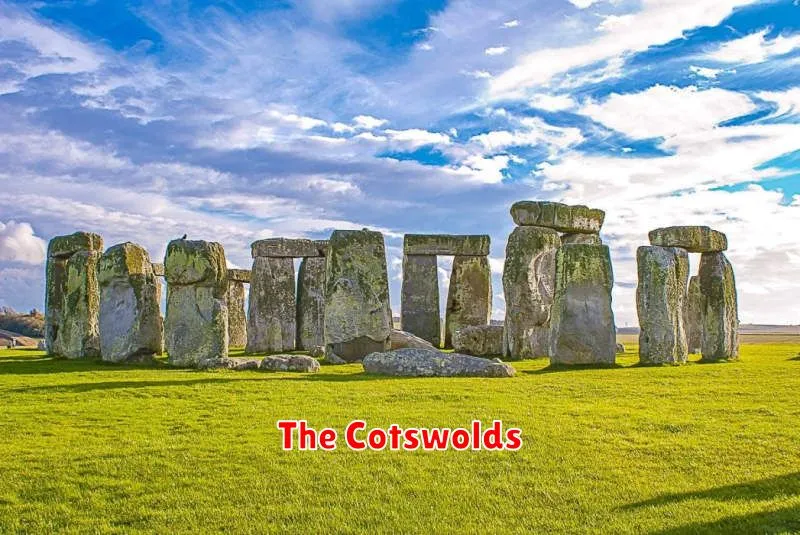
Nestled in the heart of England, The Cotswolds offers a picturesque escape with its charming villages, rolling hills, and stunning landscapes. Known for its distinctive limestone cottages, this area is a paragon of English rural beauty, making it a perfect destination for those seeking tranquility and an authentic cultural experience.
Why Visit The Cotswolds?
The Cotswolds is recognized as an Area of Outstanding Natural Beauty, boasting over 800 square miles of breathtaking scenery. Visitors can explore the historic market towns like Burford and Bourton-on-the-Water, often referred to as the ‘Venice of the Cotswolds’, for their idyllic waterside views and cosy tea rooms.
Things to Do
- Explore Quaint Villages: Each village in The Cotswolds has its unique character. Visit Chipping Campden for its historic marketplaces, or Bibury, known for its postcard-perfect Arlington Row.
- Walk the Cotswold Way: For hiking enthusiasts, the Cotswold Way National Trail offers a 100-mile-long trek through some of England’s most breathtaking landscapes.
- Uncover History: Dive into the past with visits to the Corinium Museum in Cirencester, showcasing impressive Roman-era relics.
Accommodation and Dining
The Cotswolds boasts a range of accommodations from luxury hotels to charming bed and breakfasts. Indulge in local cuisine at award-winning restaurants or quaint pubs offering traditional English dishes.
Events and Festivals
The Cotswolds is home to unique events such as the Cheltenham Literature Festival and the eccentric Cotswold Olimpick Games, a historic games festival blending sports and revelry.
Explore the pastoral beauty of The Cotswolds and uncover its endless charm and hidden gems, making it a quintessential stop on your UK travel itinerary.
Lake District National Park
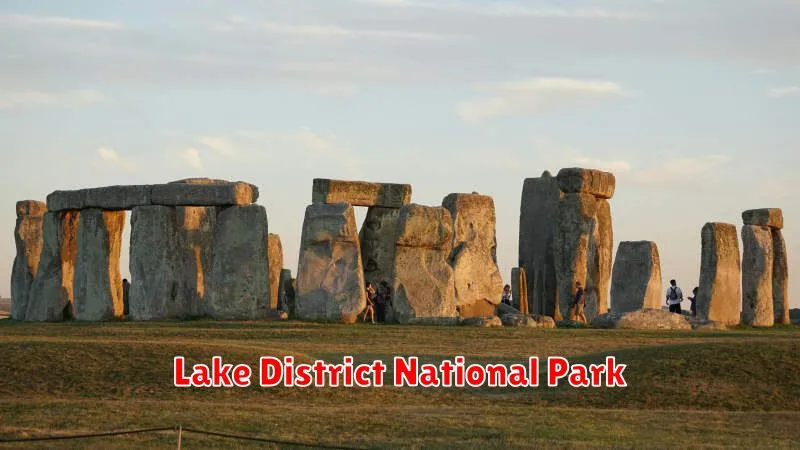
Nestled in the heart of the English countryside, the Lake District National Park is a mesmerizing destination renowned for its stunning landscapes and tranquil lakes. This region is a haven for nature enthusiasts and hosts a range of outdoor activities for adventurers of all levels.
Explore the Tranquil Waters
The area is home to Windermere and Ullswater, two of the largest and most picturesque lakes in England. Visitors can enjoy leisurely boat rides or try their hand at kayaking amidst the calm waters. The serenity and beauty of these lakes offer a perfect escape from the hustle and bustle of city life.
Trekking Heaven
The Lake District is also celebrated for its extensive network of walking trails. Whether you embark on a gentle stroll along its scenic paths or take on the challenge of climbing Scafell Pike, the highest mountain in England, the views are nothing short of breathtaking. The park caters to both novice hikers and seasoned trekkers alike.
Rich Literary Heritage
For literature lovers, the Lake District offers an additional allure. It was once home to literary giants like William Wordsworth and Beatrix Potter. Their works were inspired by the enchanting beauty of the landscape. Tours are available to visit their former homes and to delve deeper into their creative world.
Visitor Information
| Attraction | Distance from Keswick | Travel Time (Approx.) |
|---|---|---|
| Windermere Lake | 21 miles | 40 minutes |
| Ullswater | 16 miles | 35 minutes |
| Scafell Pike | 30 miles | 1 hour |
| Wordsworth Museum | 14 miles | 30 minutes |
The Lake District National Park undeniably warrants a place on any must-see list. Its unique blend of natural beauty, cultural significance, and adventure activities makes it a perfect destination for travelers seeking both relaxation and excitement.
Stonehenge
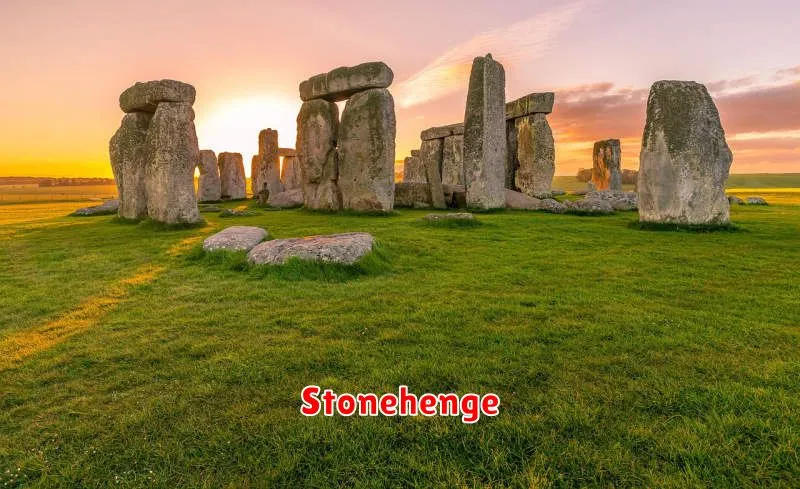
One cannot explore the mysteries of history in the UK without visiting Stonehenge, a site that continues to captivate and intrigue visitors from around the world. This iconic prehistoric monument, located in Wiltshire, England, stands on the vast Salisbury Plain and boasts a mystical aura that beckons thousands of tourists each year.
The History Behind the Stones
Stonehenge is believed to have been constructed between 3000 BC and 2000 BC. This arrangement of standing stones is a triumph of engineering and has left scholars baffled for centuries. Despite numerous theories about its purpose, Stonehenge remains an enigma wrapped in the sands of time. Some suggest it was a burial ground, while others propose it had astronomical or ceremonial functions.
Visitor Information
- Location: Wiltshire, England
- Hours: Typically open from 9:30 AM to 5:00 PM, but it’s recommended to check in advance as hours vary by season.
- Best Time to Visit: Early morning or late afternoon to avoid large crowds and to witness magical lighting on the stones.
- Strongly consider purchasing tickets in advance due to high visitation.
Experiences at Stonehenge
Walking the grounds of Stonehenge offers a unique journey through time. Visitors can engage with interactive exhibits at the visitor center, which provides context and historical details about the site. From April to July, the site also hosts special events, including solstice celebrations that delve into ancient customs and rituals believed to have been observed by the Neolithic creators.
For those seeking deeper insight into its stories, a variety of guided tours are available. They delve into both legendary tales and scientific discoveries, catering to a wide range of interests and age groups. Visiting Stonehenge is not just a sightseeing trip; it’s an immersive experience into the past, challenging our understanding of early man and his connection to the cosmos.
Edinburgh Castle

Nestled majestically atop the volcanic Castle Rock, Edinburgh Castle is a symbol of Scotland’s storied past and enduring strength. This imposing fortress offers a journey through time, where age-old tales of kings, queens, and epic battles come to life. A visit here is more than just a tour—it’s an adventure into the heart of Scottish heritage.
Rich History
Dating back to at least the 12th century, Edinburgh Castle has witnessed pivotal moments in Scotland’s history. It has been a royal residence, a military stronghold, and was even used as a prison. The castle’s Great Hall, with its hammerbeam roof, is a testament to medieval architecture, while the Stone of Destiny tells tales of ancient coronations.
What to See
Among the castle’s many treasures, the Crown Jewels and the Stone of Destiny are must-sees. These symbols of Scottish royalty were once used in crowning ceremonies and remain pivotal to the nation’s identity. Don’t miss the One O’Clock Gun, a daily cannon fire spectacle that is both thrilling and historic.
Highlights:
- The Great Hall: A grand space adorned with medieval arms and armor.
- St. Margaret’s Chapel: The oldest surviving building in Edinburgh, this chapel is a serene and sacred site dating back to the 12th century.
- The Royal Palace: Home to the Crown Jewels and the Stone of Destiny.
- National War Museum: Explore the military history of Scotland through exhibits and collections.
Visitor Experience
The views from Edinburgh Castle are breathtaking, offering sweeping panoramas over the city below. Whether you’re a history enthusiast or simply looking for a stunning backdrop for your travel photos, the castle provides an unparalleled experience.
| Opening Hours | Admission |
|---|---|
| Daily, 9:30 AM to 5:00 PM | Adult: £19.50, Child: £11.50 |
Tower of London
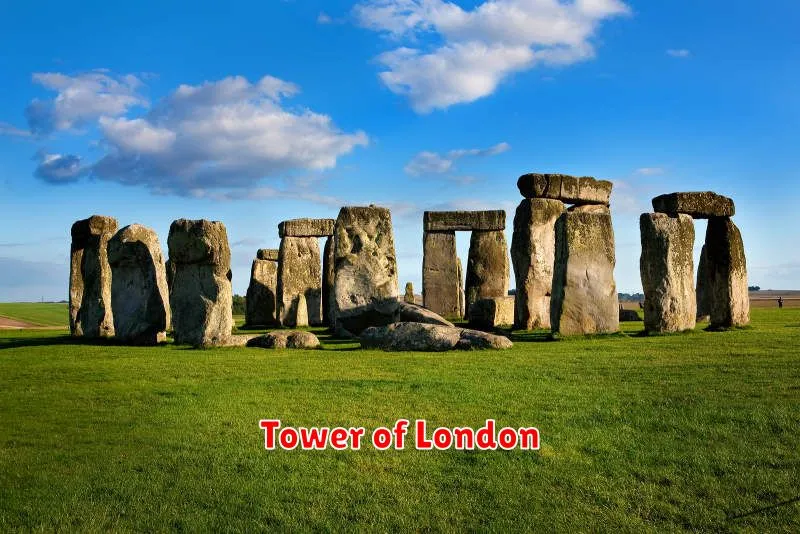
Standing majestic on the banks of the River Thames, the Tower of London is a symbol of the city’s rich and tumultuous history. This ancient fortress has served numerous purposes throughout its thousand-year existence, from a royal palace to a notorious prison, and now as one of the UK’s most beloved heritage sites.
A Fortress Full of History
Constructed by William the Conqueror in 1066, the Tower of London has been a vital site in British history. It housed several famous prisoners, including Anne Boleyn and Thomas More. The presence of the White Tower, its central keep, still stands as a powerful reminder of the Norman influence in England.
The Crown Jewels
A visit to the Tower is incomplete without witnessing the resplendent Crown Jewels. These magnificent symbols of the monarchy include some of the most famous and valuable pieces in the world. With their glittering gems and precious metals, they are a testament to the United Kingdom’s enduring royal heritage.
Beefeaters and the Ravens
The Tower is also famous for its Yeoman Warders or Beefeaters, who guard the fortress and offer guided tours filled with intriguing tales. Equally important are the ravens, whose presence, as legend has it, ensures the survival of the kingdom. It is said that if the ravens ever leave the Tower, the Crown will fall, making them a fascinating aspect of the site’s lore.
Interesting Facts About the Tower of London
- The Tower has been used as a mint, treasury, and even a zoo.
- The total number of towers in the complex is 21.
- It’s home to six ravens, who are cared for by a dedicated Ravenmaster.
- Over 2 million people visit the Tower each year.
Combining history, mystery, and grandeur, the Tower of London is an essential stop for anyone eager to delve into the UK’s storied past. Its stone walls hold secrets of eras gone by, inviting visitors to step back in time and discover the riveting narratives that make the Tower so fascinating.
Buckingham Palace
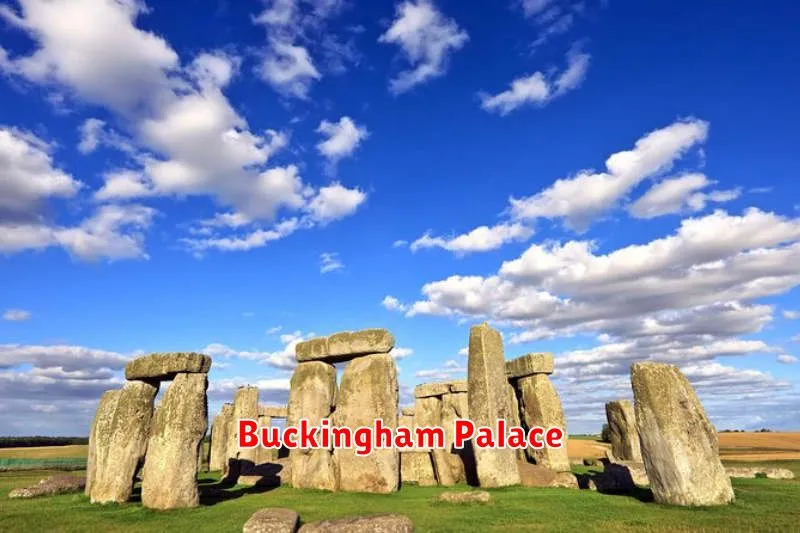
As the iconic residence of the British monarch, Buckingham Palace stands as a symbol of the United Kingdom’s rich history and tradition. Located at the heart of London, this magnificent structure is not only the administrative headquarters of the monarchy but also a venue for state occasions and royal hospitality.
The Rich History of Buckingham Palace
Buckingham Palace has a history that dates back to the early 18th century when it was originally built for the Duke of Buckingham. Over time, it grew into the grand palace we see today, crowned with the ceremonial Changing of the Guard. The palace consists of 775 rooms, including 19 state rooms, 52 principal bedrooms, 188 staff bedrooms, 92 offices, and 78 bathrooms.
Key Features
- The State Rooms: Only open to the public during summer, these rooms are used for official events and receptions.
- The Queen’s Gallery: This public art gallery hosts an ever-changing program of exhibitions from the Royal Collection.
- The Changing of the Guard: A must-see for visitors, this ceremony occurs regularly in front of the palace and is steeped in tradition.
Whether you’re drawn by the historical significance, the grandeur of the architecture, or the chance to witness royal ceremonies, Buckingham Palace offers a unique insight into the world of the British monarchy. Its enduring appeal makes it a must-see destination for anyone visiting the UK.
British Museum
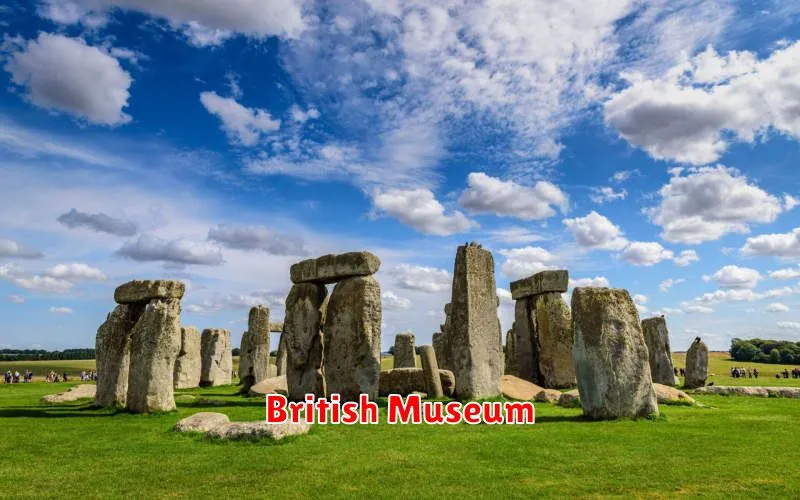
The British Museum, located in the heart of London, is a treasure trove of history and culture. It is one of the world’s oldest public museums, having opened its doors in 1759. This iconic institution offers a journey through time, with collections that span over two million years of human history.
Must-See Exhibits
Visitors to the British Museum can marvel at an array of remarkable artifacts, including the Rosetta Stone, the Elgin Marbles, and the Egyptian mummies. The museum’s permanent collection comprises works sourced from all over the globe, with over 8 million objects dedicated to celebrating the rich diversity of world cultures.
Visitor Information
The museum offers free admission to most exhibits, making it a perfect destination for both budget travelers and history enthusiasts. It’s open every day of the week, providing ample opportunities to explore its extensive galleries.
Highlights to Explore
- Great Court: An architectural masterpiece, this stunning atrium is the largest covered public square in Europe.
- Parthenon Sculptures: Discover classical Greek art and experience the wondrous artistry of ancient civilizations.
- Chinese Jade: Immerse yourself in the exquisite craftsmanship of imperial Chinese jade artifacts, reflecting centuries of tradition and culture.
Whether you’re drawn to ancient civilizations or fascinated by the arts and traditions of different cultures, the British Museum is a must-visit destination that promises an enlightening experience for every visitor.
Giant’s Causeway
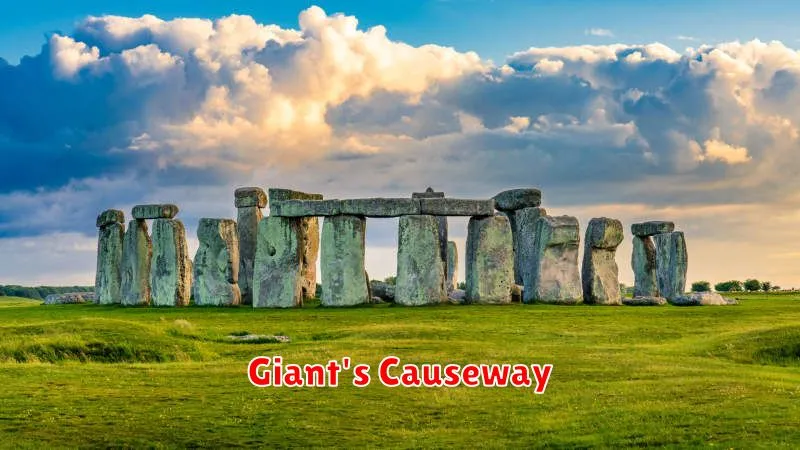
One of nature’s most remarkable spectacles in the United Kingdom is undoubtedly the Giant’s Causeway. Located on the northeastern coast of Northern Ireland, this unique geological formation consists of approximately 40,000 interlocking basalt columns. These formations, which were created by an ancient volcanic eruption, have captivated the imagination of visitors for generations, earning their place as a UNESCO World Heritage Site.
The Legend Behind the Causeway
Steeped in mythology, the Giant’s Causeway is said to have been built by a giant named Finn McCool. According to Irish legend, Finn constructed the causeway to cross the sea to Scotland to confront his rival, Benandonner. Though rooted in legend, this story adds a magical dimension to the natural wonder, making it even more alluring for visitors.
The Science of Basalt Columns
The fascinating geological formation of the Giant’s Causeway is a result of the cooling and contraction of lava during the Paleogene period, roughly 50 to 60 million years ago. The way the basalt cooled caused it to crack into the distinctive polygonal patterns we see today. The columns, mostly hexagonal, extend out into the sea, inviting visitors to explore and imagine the ancient forces that shaped this landscape.
Visitor Experience
For those planning to visit, the site offers a comprehensive visitor experience, including guided tours and an interactive visitor center that delves into both the science and folklore of this natural wonder. The awe-inspiring vistas of the rugged coastline, paired with the intricate details of the stone formations, make Giant’s Causeway a must-visit destination in the UK.
Nearby Attractions
While in the area, visitors can also explore nearby attractions, such as:
- Carrick-a-Rede Rope Bridge – Offering thrilling views and a historic crossing experience.
- Dunluce Castle – A castle ruin with panoramic views of the North Atlantic and rich history.
- Old Bushmills Distillery – The world’s oldest whiskey distillery, perfect for aficionados.
The Giant’s Causeway is more than just a geological wonder; it is a place where myths and science converge, offering unforgettable experiences for all who visit.
Snowdonia National Park

Snowdonia National Park, located in Wales, is a true gem for nature enthusiasts and adventure seekers. With its stunning landscapes and majestic peaks, this park offers an unforgettable experience for visitors. Snowdonia is home to the highest mountain in Wales, Mount Snowdon, which stands at an impressive 1,085 meters (3,560 feet) above sea level.
Visitors can enjoy a variety of outdoor activities such as hiking, rock climbing, and mountain biking. The park boasts over 1,479 kilometers (919 miles) of footpaths, providing ample opportunities to explore its varied terrain. For those less inclined to challenge the steep paths, the Snowdon Mountain Railway offers a picturesque train journey to the summit, offering panoramic views of the surrounding region.
Unique Attractions
Beyond its breathtaking natural beauty, Snowdonia is rich in Welsh culture and history. The park is home to several quaint villages, such as Beddgelert and Betws-y-Coed, where visitors can experience traditional Welsh hospitality. Additionally, the park features historic sites like the ancient Dolwyddelan Castle, adding a touch of history to the outdoor experience.
Best Time to Visit
While Snowdonia is a year-round destination, the best time to visit is during the spring and summer months, when the landscape is lush and the weather is generally favorable for outdoor activities. During these seasons, the flora is in full bloom, creating a picturesque backdrop for exploration.
| Fact | Details |
|---|---|
| Established | 1951 |
| Area | 2,142 km² (826 sq mi) |
| Mountains | 9 ranges |
| Annual Visitors | Over 4 million |
For more adventurous visitors, Snowdonia offers the thrilling experience of canyoning in the streams and rivers, providing an adrenaline rush with a splash. Whether you’re scaling heights or wandering through serene valleys, Snowdonia National Park is a captivating destination that promises to leave an imprint on your travel memories.
