
Cape Verde is ideal for a weekend-style escape because each island has a distinct rhythm: Sal and Boa Vista are easy beach breaks, São Vicente brings music and city energy, Santo Antão offers mountain trails, Santiago adds history, and Fogo delivers volcanic drama.
This plan keeps the recommendations inside Cape Verde and focuses on specific places and experiences that work for short trips, with practical notes on timing, transport, likely costs, and how to avoid losing precious weekend hours.
Santa Maria Beach and Pier, Sal
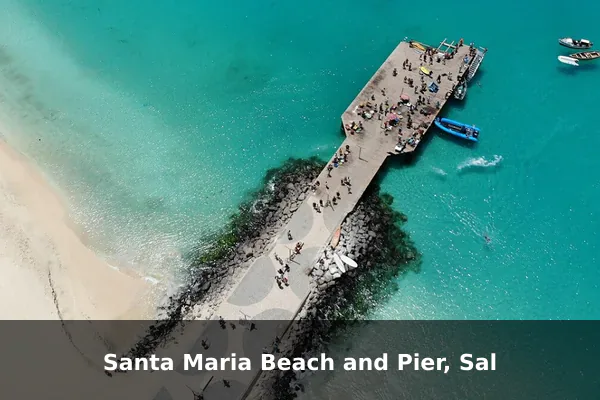
Santa Maria sits at the southern tip of Sal, where a long ribbon of pale sand meets some of the calmest, clearest water in Cape Verde. It works beautifully as a weekend base because almost everything you need, from guesthouses and seafood grills to dive shops and the iconic wooden pier, is packed into a compact, walkable town that hums with a slow island rhythm.
Mornings are for barefoot strolls along the shore, gentle swims, and watching local fishermen unload their catch at the pier, where small reef sharks and rays often circle below. Later, the same pier becomes a sunset gathering spot, and the back streets fill with the smell of grilled tuna, lobster, and cachupa drifting from open-air restaurants just steps from the sand.
Travel tip: Stay within walking distance of Santa Maria Beach so you can avoid taxis for restaurants, the pier, and morning swims.
Best time to visit: November to June, especially early morning for calm beach time and late afternoon for the pier scene.
Ticket price: Free entry; beach loungers, boat trips, and water sports cost extra and prices vary.
Pedra de Lume Salt Crater, Sal
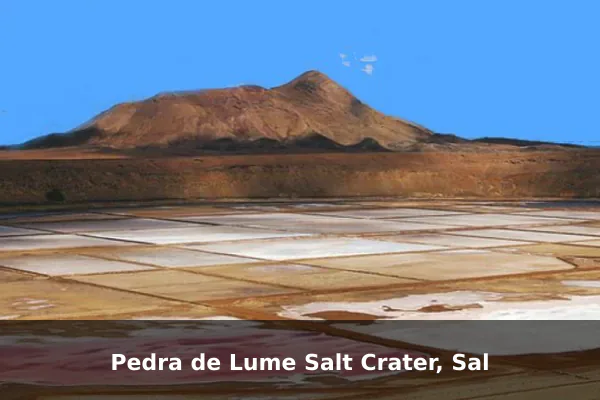
Pedra de Lume Salt Crater sits inside a collapsed volcano on the eastern edge of Sal, where seawater has seeped through ancient lava walls to form a dense, mineral-rich lake. The setting alone makes it worth the short weekend detour: rust-coloured crater rims, white salt pans, and a glassy pool that lets every visitor float effortlessly, much like the Dead Sea.
Inside the crater, visitors can wade into shallow basins and lie back as the brine lifts them to the surface, then coat themselves in the dark, warm mud said to soothe the skin. Wooden walkways lead between the old salt-harvesting ponds, small viewpoints frame the crater walls, and on-site showers let you rinse off before exploring the nearby chapel and the abandoned industrial relics from Sal’s salt-mining past.
Travel tip: Bring sandals, a towel, and fresh water, and avoid shaving right before visiting because the salt can sting.
Best time to visit: Dry season from November to June; go before midday or after 3:00 PM to avoid the strongest heat.
Ticket price: Usually around €5 entry; showers and tours may cost extra.
Buracona Blue Eye, Sal
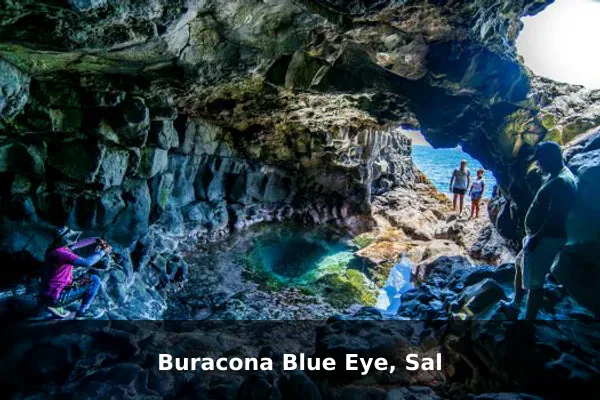
Tucked along Sal’s rugged northwestern coast near Palmeira, Buracona Blue Eye is one of Cape Verde’s most photographed natural wonders. A collapsed lava tunnel opens to the Atlantic, and when sunlight hits the cavern at just the right angle, the pool glows with an otherworldly electric-blue shimmer that draws photographers and curious travelers from across the island.
Visitors can peer down into the Blue Eye from the surrounding cliffs, explore the jagged volcanic shoreline, and watch waves crash dramatically through nearby blowholes and natural pools. Strong swimmers sometimes dip into the calmer tidal basin, while others simply soak in the raw scenery, making it an easy and rewarding half-day stop on any Sal itinerary.
Travel tip: Check sea conditions before swimming and wear sturdy shoes because the volcanic rock can be sharp and slippery.
Best time to visit: Sunny days between roughly 11:00 AM and 1:00 PM, when the Blue Eye effect is most visible.
Ticket price: Usually around €3 entry; guided island tours cost extra.
Viana Desert and Cabo Santa Maria Shipwreck, Boa Vista
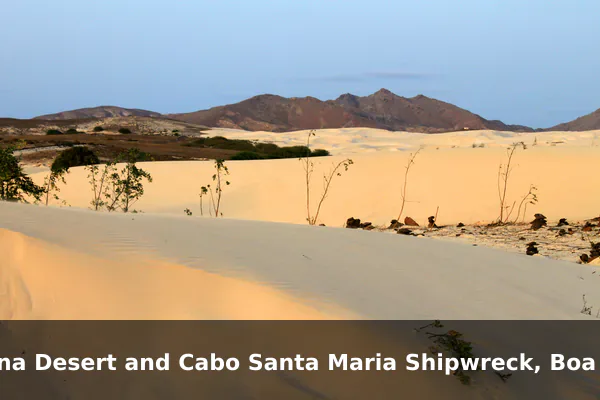
Boa Vista’s Viana Desert offers a rare Atlantic-meets-Sahara landscape, where windblown dunes drift across the island’s interior just a short drive from the coast. Pairing it with the rusting hulk of the Cabo Santa Maria, a 1968 cargo shipwreck stranded on a wild northern beach, makes for one of Cape Verde’s most photogenic and atmospheric half-day adventures.
Visitors typically join a 4×4, buggy, or quad-bike tour that climbs the pale dunes, stops for sweeping desert panoramas, and continues along rugged tracks to the shipwreck, where waves crash against the corroded steel hull. Along the way you can spot scattered shells, sea-sculpted cliffs, and the stark contrast between golden sand and deep blue ocean that defines Boa Vista’s untamed character.
Travel tip: Book with a licensed local operator, bring sunglasses or a scarf for windblown sand, and keep electronics protected.
Best time to visit: October to June, with morning departures for cooler temperatures and better light on the dunes.
Ticket price: Natural sites are generally free; 4×4, buggy, or quad tours have varying operator prices.
Praia de Chaves, Boa Vista
Praia de Chaves on Boa Vista is one of Cape Verde’s most photogenic stretches of sand, a sweeping pale-gold beach backed by low dunes and turquoise Atlantic water. Its sheer width and gentle development make it ideal for a quiet weekend, offering space to unwind without the crowds of busier resort strips while still being easy to reach from Sal Rei.
Visitors can take long barefoot walks at low tide, swim in calm morning waters, and watch kitesurfers ride the afternoon breeze further along the bay. A handful of low-key beach clubs and small resorts provide loungers, fresh seafood, and sunset views, while the surrounding dunes and old salt flats reward a short exploratory wander inland.
Travel tip: Bring water and sun protection because services are spread out along the beach and shade can be limited.
Best time to visit: November to June for drier weather; mornings are best for long walks before winds increase.
Ticket price: Free entry; beach clubs, transfers, and activities vary by provider.
Mindelo Waterfront and Laginha Beach, São Vicente
Mindelo is the cultural heartbeat of Cape Verde, a colorful port city on São Vicente where colonial architecture, creole cuisine, and the soulful sounds of morna and coladeira fill the air. Its compact waterfront pairs effortlessly with Laginha Beach just minutes away, making it a rare destination where a lively urban scene and calm Atlantic swimming sit side by side, perfect for a relaxed yet vibrant weekend.
Visitors can stroll the pastel-hued harbor promenade, watch fishing boats unload at the Mercado de Peixe, and pause at seaside cafes for a strong galão before crossing into Laginha’s sheltered bay for an easy swim in turquoise water. As the sun dips, the city shifts gear, with intimate music bars around Rua de Lisboa hosting live sessions where local musicians keep the legacy of Cesária Évora alive late into the night.
Travel tip: Use Mindelo as a base if you want restaurants and nightlife without relying on long evening transfers.
Best time to visit: Year-round, with late afternoon for the waterfront and evenings for live music venues.
Ticket price: Free for the waterfront and beach; museums, concerts, and venues usually charge small or variable fees.
Monte Verde Natural Park, São Vicente
Rising to nearly 750 meters above São Vicente, Monte Verde is the island’s highest peak and an easy weekend escape from the colorful streets of Mindelo. The drive up winds past dry slopes that suddenly give way to cooler air, communication towers, and sweeping panoramas stretching across the harbor, neighboring Santo Antão, and the open Atlantic.
At the summit, visitors can wander short trails, photograph the patchwork of valleys and volcanic ridges below, and spot endemic plants clinging to the windswept terrain. On clear days the viewpoints reveal Mindelo’s bay, distant fishing villages, and passing cargo ships, making it a rewarding stop for hikers, birdwatchers, and anyone chasing the island’s best vantage point.
Travel tip: Arrange a taxi to wait or book a short guided tour because return transport from the summit area can be limited.
Best time to visit: Clear mornings from November to June, before clouds or haze reduce visibility.
Ticket price: Generally free to visit; taxi, guide, or tour costs vary.
Cova Crater to Paúl Valley Hike, Santo Antão
The Cova Crater to Paúl Valley hike is Santo Antão’s signature trek and one of the most rewarding weekend escapes in Cape Verde, packing dramatic volcanic scenery, dizzying ridgeline views, and a complete shift in climate into a single descent. Starting inside an extinct crater planted with crops and ending among sugarcane terraces near the Atlantic, the route showcases the island’s rare green side and rewards travelers who only have a couple of days to experience Cabo Verde beyond its beaches.
Hikers follow an old cobbled path that drops from the misty crater rim down through pine groves, cliffside hamlets, and banana plantations, with chances to pause at family-run grogue distilleries tasting the local cane spirit. Along the way you’ll pass farmers tending steep terraces, children walking to school between villages like Cabo de Ribeira and Vinhateiro, and viewpoints over near-vertical valley walls that make Paúl one of the most photogenic corners of the archipelago.
Travel tip: Take the early ferry from São Vicente and arrange onward transport in advance to save time on a short trip.
Best time to visit: November to May for greener landscapes and more comfortable hiking; start early in the morning.
Ticket price: Trail access is free; guides, transfers, and ferry tickets vary.
Cidade Velha and Forte Real de São Filipe, Santiago
Cidade Velha, just a short drive west of Praia on Santiago island, is the oldest European-founded settlement in the tropics and the heart of Cape Verde’s UNESCO-listed colonial heritage. A weekend stop here pairs deep Atlantic history with sweeping coastal views, making it the archipelago’s most rewarding cultural escape for travelers short on time.
Visitors can climb to Forte Real de São Filipe for panoramic vistas over the bay, wander Rua Banana with its modest stone houses, and pause at the pillory square and the ruins of the Sé Cathedral. Down by the waterfront, small cafés serve grilled fish and grogue, while local guides share stories of the transatlantic trade that once passed through this quiet valley.
Travel tip: Visit with a guide or driver from Praia so you can combine the fortress, old streets, and waterfront efficiently.
Best time to visit: Morning or late afternoon year-round, with November to June offering drier walking conditions.
Ticket price: Cidade Velha streets are free; Forte Real de São Filipe is often around €5 entry.
Pico do Fogo and Chã das Caldeiras, Fogo
Pico do Fogo is Cape Verde’s tallest peak and one of the most dramatic volcano weekends in the Atlantic, rising 2,829 meters above a vast black caldera floor. Set within the lunar-like Chã das Caldeiras, the area combines raw lava fields from the 2014 eruption with stubborn vineyards, coffee plots, and tight-knit crater communities that rebuilt their homes on cooled lava.
Visitors can climb the steep scree slope to the summit at dawn, slide down volcanic ash on the descent, and tour the Chã das Caldeiras wineries known for their manecom reds and goat cheese. Between hikes, travelers wander past lava-buried houses, meet residents who returned after the eruption, and watch sunset light shift across the caldera walls.
Travel tip: Hire a local guide for the summit and sleep in Chã das Caldeiras if you want an early start and safer pacing.
Best time to visit: November to May, starting before sunrise or very early morning for cooler climbing conditions.
Ticket price: Access costs vary; local guide fees commonly range around €25-€50 per person depending on group size and route.
