
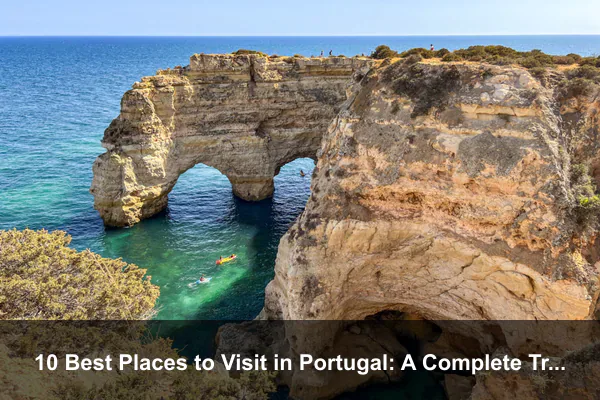
Portugal has more to offer than the familiar Lisbon, Porto, Sintra and Algarve route. This plan takes a more original angle, focusing on protected landscapes, medieval towns, archaeological sites, mountain villages and coastal reserves that give travelers a deeper sense of the country.
Use it as a complete but distinctive Portugal travel guide for a slower itinerary across the north, center, Alentejo and coast. The places below are specific, practical and varied, with enough detail to help travelers decide when to go, how to arrive and what makes each stop worth planning around.
Guimaraes Historic Centre and Castle
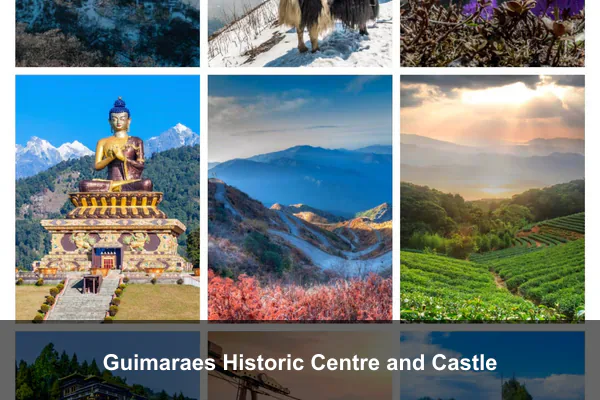
Guimaraes Historic Centre and Castle make a rewarding stop for medieval streets and national history, with stone lanes, arcaded squares, and fortress walls tied to Portugal’s origins. Start around Largo da Oliveira early, before day-trippers fill the old town squares, then wander toward the Palace of the Dukes and the castle for sweeping context on the city’s royal past. The best time to visit is April-June or September-October, when sightseeing feels comfortable and the historic core is lively without peak-season crowds. Access is simple by direct train from Porto, followed by an easy walk or short taxi ride into the centre.
| Best for | Medieval streets and national history |
|---|---|
| Location | Guimaraes, northern Portugal |
| Best time | April-June or September-October |
| Access | Direct train from Porto, then walk or taxi |
Additional Info: Start around Largo da Oliveira early, before day-trippers fill the old town squares.
Peneda-Geres National Park
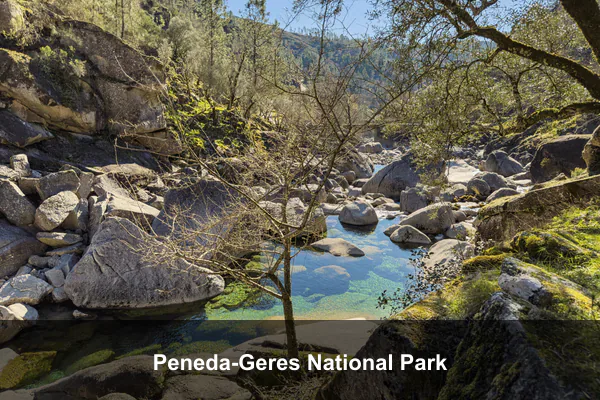
Peneda-Geres National Park is Portugal’s wildest mainland escape, where granite villages, mountain trails and cold waterfalls fill the highlands of Minho and Tras-os-Montes. Visit for hiking, rural scenery and quiet drives between stone hamlets, viewpoints and swimming spots. May-June or September bring pleasant weather with fewer crowds, and a car from Braga or Porto is the most practical way to explore. Before setting out, ask at a park information point about current trail and waterfall access.
| Best for | Hiking, waterfalls and rural scenery |
|---|---|
| Location | Minho and Tras-os-Montes, north Portugal |
| Best time | May-June or September |
| Access | Best by car from Braga or Porto |
Additional Info: Ask at a park information point about current trail and waterfall access before setting out.
Paiva Walkways and Arouca 516 Bridge
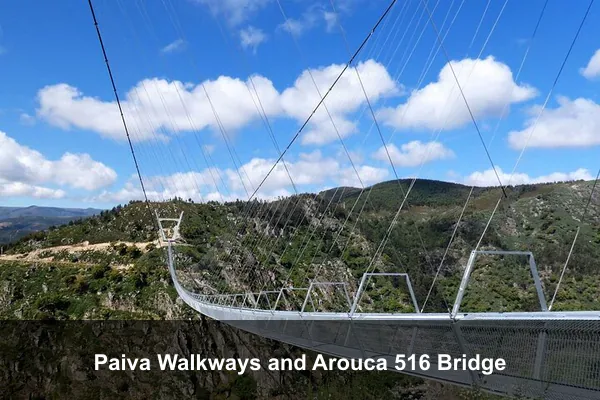
Paiva Walkways and the Arouca 516 Bridge make Arouca one of Portugal’s best stops for active travelers, combining a dramatic wooden trail above the Paiva River gorge with a thrilling suspension-bridge crossing and wide canyon views. Set in Aveiro District, the route is best enjoyed on a spring or early autumn morning, when temperatures are cooler and the light is softer. Drive to Areinho or Espiunca, book tickets in advance, and reserve the bridge and walkway together; if you do not want to walk the full route both ways, arrange a shuttle for the return.
| Best for | Active travelers and canyon views |
|---|---|
| Location | Arouca, Aveiro District |
| Best time | Spring or early autumn mornings |
| Access | Drive to Areinho or Espiunca; book tickets |
Additional Info: Reserve the bridge and walkway together, then arrange a shuttle if you do not want to walk the full route both ways.
Coa Valley Rock Art Park
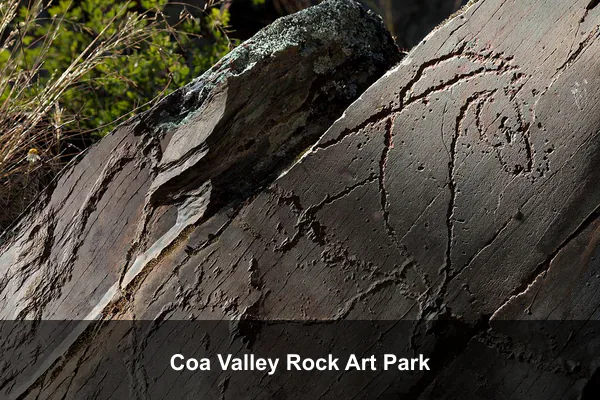
Coa Valley Rock Art Park is one of Portugal’s most remarkable archaeological landscapes, where prehistoric engravings sit in a wild, remote valley near Vila Nova de Foz Coa in northeast Portugal. Visit for the rare chance to see ancient rock art in its original open-air setting, best explored with an expert guide who explains the carvings, terrain, and deep history of the site. Guided visits must be prebooked through the Coa Museum, and the best conditions are usually from March to June or September to November. Use the restroom before departure and bring water, as the rock art sites have no visitor facilities.
| Best for | Archaeology and remote landscapes |
|---|---|
| Location | Vila Nova de Foz Coa, northeast Portugal |
| Best time | March-June or September-November |
| Access | Prebook guided visits from the Coa Museum |
Additional Info: Use the restroom before the tour and bring water, because the rock art sites have no visitor facilities.
Schist Villages of Lousa
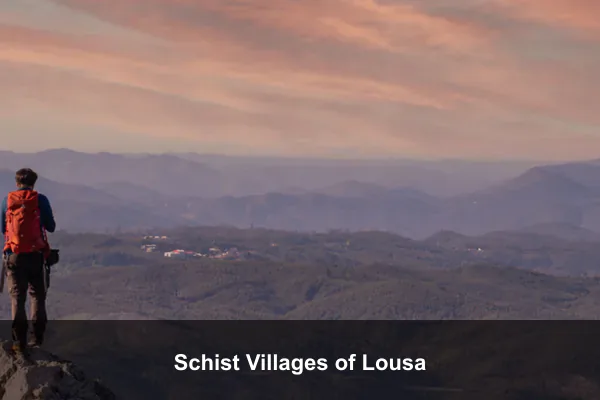
The Schist Villages of Lousa offer one of Central Portugal’s most atmospheric slow-travel escapes, where slate-stone hamlets cling to the forested slopes of the Serra da Lousa. Come for village walks, quiet rural stays and footpaths linking chestnut woods, viewpoints and restored houses. Talasnal is the best-known stop, but pairing it with smaller villages like Casal Novo or Cerdeira makes a calmer loop with fewer crowds. Visit from March to June or September to November for mild hiking weather and greener landscapes. A rental car is the most practical way to explore, especially from Coimbra or Lousa.
| Best for | Village walks and slow travel |
|---|---|
| Location | Serra da Lousa, Central Portugal |
| Best time | March-June or September-November |
| Access | Best by rental car from Coimbra or Lousa |
Additional Info: Pair Talasnal with smaller villages like Casal Novo or Cerdeira for a less crowded loop.
Convent of Christ in Tomar
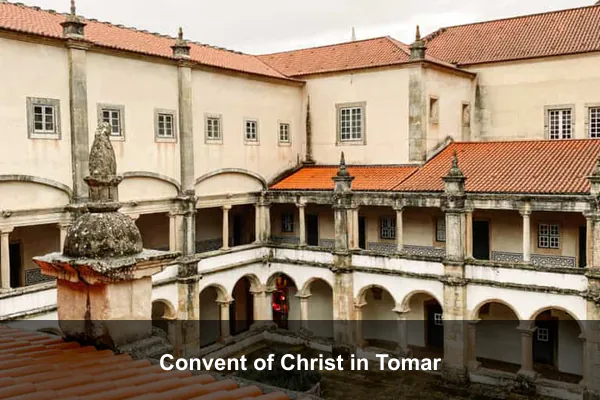
The Convent of Christ in Tomar is one of Portugal’s most compelling historic sites, a vast Templar stronghold where Romanesque chapels, ornate Manueline windows, and quiet cloisters trace the country’s religious and maritime ambitions. Visit for architecture, Templar history, and atmospheric courtyards, allowing time to explore the Charola, the famous chapter window, and the layered fortress walls. Set above Tomar in Central Portugal, it is easy to reach by train, but the final approach is a steep walk; on hot days, take a taxi uphill and stroll back down through the old center. Weekdays in spring or autumn are best.
| Best for | Architecture, Templar history and cloisters |
|---|---|
| Location | Tomar, Central Portugal |
| Best time | Weekdays in spring or autumn |
| Access | Train to Tomar, then steep walk or taxi |
Additional Info: Take a taxi uphill if it is hot, then walk back down through Tomar's old center.
Zezere Glacial Valley and Torre

Zezere Glacial Valley and Torre offer a dramatic highland route through Serra da Estrela Natural Park, with sweeping mountain views, winding roads and stops for the region’s famous cheese. Drive up from Manteigas, Seia or Covilha to trace the valley, pause at viewpoints and continue toward Torre, mainland Portugal’s highest point. May to October brings the easiest road-trip conditions, while winter can add snow and a wilder alpine feel. Even in summer, carry layers, as wind and fog can move in quickly near Torre.
| Best for | Mountain views, cheese and road trips |
|---|---|
| Location | Serra da Estrela Natural Park |
| Best time | May-October; winter for snow chances |
| Access | Best by car from Manteigas, Seia or Covilha |
Additional Info: Carry layers even in summer, as wind and fog can arrive quickly near Torre.
Marvao Walled Village and Castle
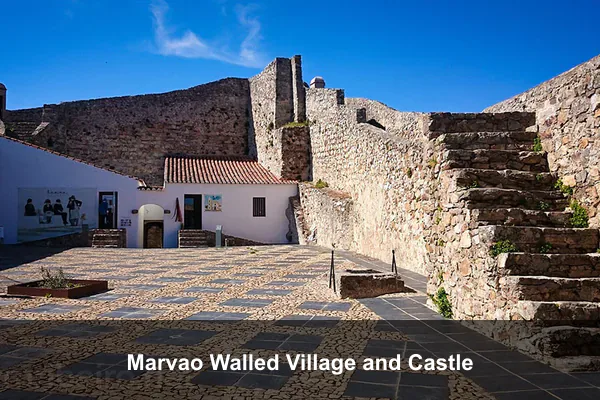
Marvao is a dramatic hilltop village in the Alto Alentejo, wrapped in medieval walls and crowned by a castle with wide views across the plains toward Spain. It is one of Portugal’s best places for castle lovers, photographers and travelers who enjoy quiet stone streets, especially when you walk the ramparts at golden hour. Visit between April-June or October-November for mild weather and clearer light, and come by car from Portalegre for the easiest access. If time allows, stay overnight, because the village and castle walls feel most atmospheric after day visitors leave.
| Best for | Castles, photography and quiet streets |
|---|---|
| Location | Marvao, Alto Alentejo |
| Best time | April-June or October-November |
| Access | Best by car from Portalegre |
Additional Info: Stay overnight if possible, because the castle walls are most atmospheric after day visitors leave.
Ria Formosa Barrier Islands
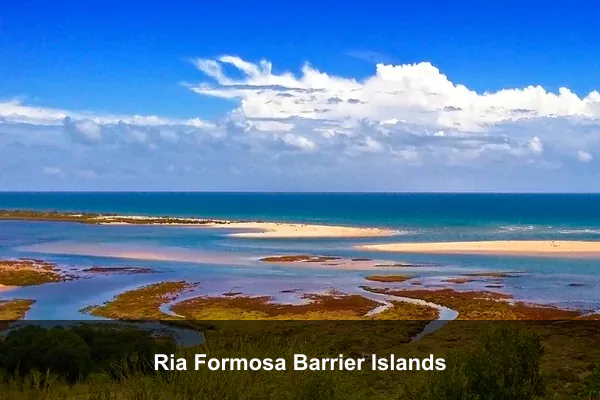
The Ria Formosa Barrier Islands offer a calmer side of the Algarve, where lagoons, salt marshes and long sandy beaches replace resort crowds. From Faro, Olhao and Tavira, ferries and water taxis cross to islands such as Culatra, Armona and Tavira, making boat trips part of the experience. Visit for birdwatching, beach days and slow walks between fishing villages, dunes and tidal flats. April to June and September to October bring warm weather, fewer people and good wildlife activity. Check tide times before planning walks or transfers, as the lagoon’s shifting water levels shape the rhythm of each day.
| Best for | Birdwatching, beaches and boat trips |
|---|---|
| Location | Faro, Olhao and Tavira, eastern Algarve |
| Best time | April-June or September-October |
| Access | Ferries and water taxis from coastal towns |
Additional Info: Check tide times before planning walks or boat transfers, as the lagoon changes the rhythm of the visit.
Berlenga Grande Nature Reserve
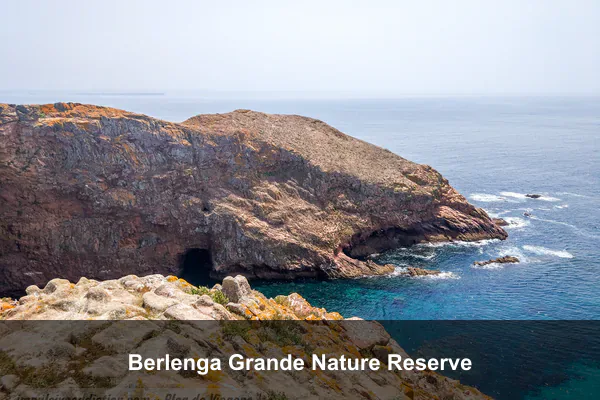
Berlenga Grande Nature Reserve is one of Portugal’s most memorable Atlantic day trips, set off Peniche with rugged cliffs, clear blue water and the striking São João Baptista sea fort. Visit for wild island scenery, snorkeling, boat trips into sea caves and short walks above wave-cut rocks. The best window is May to September, when seas are usually calmer, but access is controlled, so arrange the required visitor pass and boat from Peniche in advance. Book the earliest crossing you can to enjoy quieter paths and pack a wind layer, because the ride can be chilly and rough even on sunny days.
| Best for | Island scenery, snorkeling and boat caves |
|---|---|
| Location | Off Peniche, Central Portugal |
| Best time | May-September, with calm seas |
| Access | Boat from Peniche plus required visitor pass |
Additional Info: Book the earliest boat you can and pack a wind layer, because crossings can be chilly and rough.
Tips Before You Go
This route works best with a mix of trains and car rental: use rail where it is easy, such as Guimaraes and Tomar, then drive for Geres, Arouca, the schist villages, Serra da Estrela and Marvao. For current opening hours, transport and conservation rules, check Visit Portugal, CP, Coa Parque and the BerlengaPass before booking.
Portugal is compact, but these places reward slower pacing, so plan two or three regional bases instead of crossing the country every day. Reserve protected-site visits in advance, carry cash for small villages, and avoid exposed trails, castles and island walks during the hottest part of the day.
