
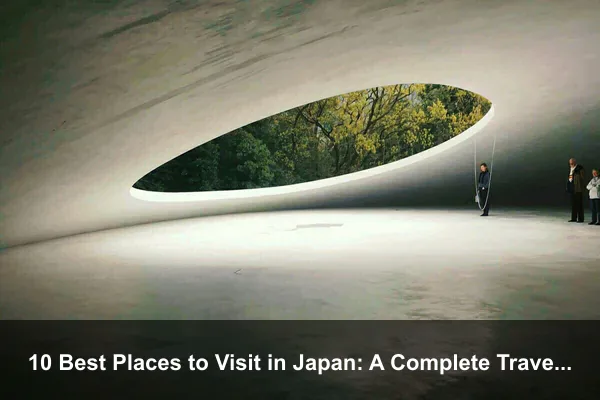
Japan rewards travelers who plan by region rather than racing through disconnected landmarks. This guide is shaped as a practical first-trip route, balancing major cultural icons with nature, food, art, history, and island escapes that show how varied the country can be.
The plan stays entirely within Japan and gives each stop a clear reason to visit, the most useful timing, and realistic access notes. Use it as a framework for a 10- to 21-day itinerary, then slow down where your interests are strongest.
Tokyo's Asakusa and Sumida River
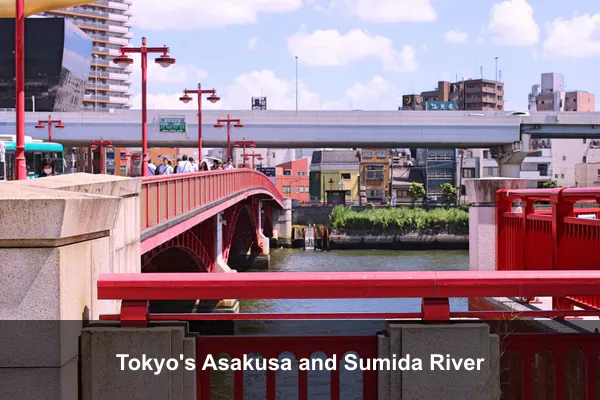
Asakusa and the Sumida River make an ideal first Tokyo stop for travelers who want old-town culture with big-city views. In Taito Ward, start at Senso-ji early, before Nakamise-dori fills with snack stalls and souvenir shoppers, then wander side streets for incense, rickshaws, and traditional storefronts. From Asakusa Station, walk across the river into Sumida Ward or take a short cruise toward Tokyo Skytree, where the skyline shifts from temple roofs to futuristic towers. Visit in March-May for spring color or October-November for crisp weather, and return to Senso-ji after dark for quieter lantern-lit photos.
| Best for | First-time Tokyo culture and city views |
|---|---|
| Location | Taito and Sumida wards, Tokyo |
| Best time | March-May or October-November |
| Access | Asakusa Station; walk or river cruise toward Tokyo Skytree |
Additional Info: Visit Senso-ji early before Nakamise-dori fills up, then return after dark for quieter lantern-lit photos.
Kyoto Higashiyama Temple Walk
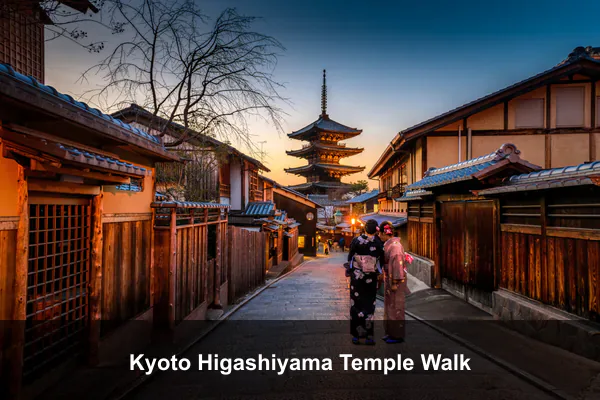
The Kyoto Higashiyama Temple Walk is ideal for historic streets, temples, and photography, linking the preserved lanes of eastern Kyoto around Gion and Higashiyama with hillside shrines, tea shops, and seasonal gardens. Start near Kiyomizu-dera at opening time for quieter views over the city, then wander toward Sannenzaka, Ninenzaka, and smaller side lanes by mid-morning as tour groups gather on the main slope. Visit during cherry blossom or autumn foliage season for the most atmospheric scenery. From Kyoto Station, take a bus or taxi, then explore the major sights on foot.
| Best for | Historic streets, temples, and photography |
|---|---|
| Location | Eastern Kyoto, around Gion and Higashiyama |
| Best time | Cherry blossom or autumn foliage season |
| Access | Bus or taxi from Kyoto Station; walk between major sights |
Additional Info: Start near Kiyomizu-dera at opening time and save the smaller side lanes for mid-morning, when tour groups cluster on the main slope.
Nara Park and Todai-ji Temple
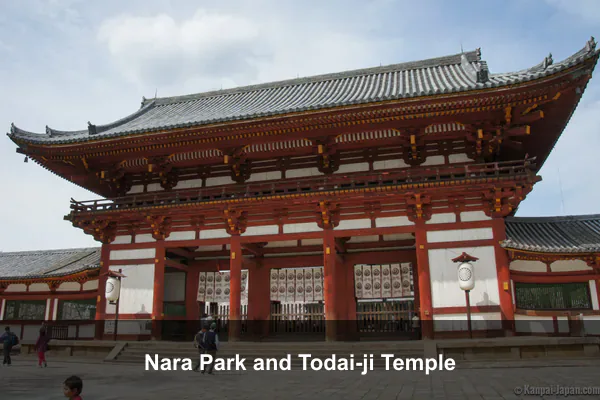
Nara Park and Todai-ji Temple make an easy ancient-capital day trip for temples, families, and slow walks in Nara City, Kansai. Start with the park’s sacred deer, then step into Todai-ji to see its vast wooden hall and Great Buddha before following quieter paths toward lantern-lined shrines and forest edges. The best months are April-May and October-November, when the weather suits unhurried exploring. Trains run from Kyoto or Osaka to Nara, with the main sights reached by bus or a walk from the station. Keep deer crackers flat in your palm and store maps or tickets securely, because the deer are very used to visitors.
| Best for | Temples, families, and slow walks |
|---|---|
| Location | Nara City, Kansai region |
| Best time | April-May or October-November |
| Access | Train from Kyoto or Osaka to Nara, then bus or walk |
Additional Info: Keep deer crackers flat in your palm and store maps or tickets securely, because the deer are used to visitors.
Hakone Ropeway and Lake Ashi Loop
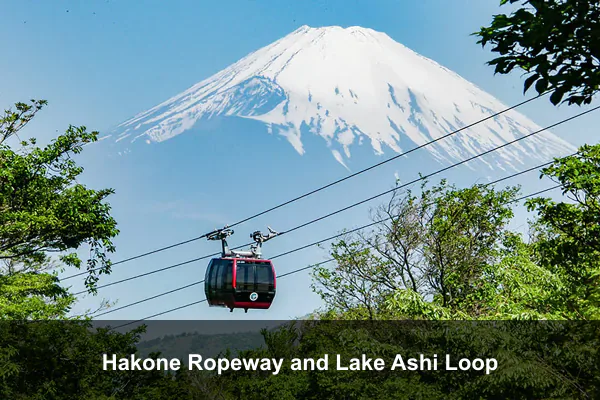
The Hakone Ropeway and Lake Ashi Loop is one of Japan’s most rewarding day trips or overnight escapes from Tokyo, combining onsen stays, volcanic scenery, lake cruising, and Mount Fuji views in Kanagawa Prefecture’s Fuji-Hakone-Izu area. Travel by train to Hakone-Yumoto, then follow the local transport loop through mountain railways, cable cars, the ropeway over Owakudani’s steaming valley, and a boat crossing on Lake Ashi. Clear winter days or late autumn offer the sharpest Fuji scenery, but build in weather flexibility: the mountain is often clearest in the morning and can vanish behind clouds by afternoon.
| Best for | Onsen stays and Fuji scenery |
|---|---|
| Location | Kanagawa Prefecture, Fuji-Hakone-Izu area |
| Best time | Clear winter days or late autumn |
| Access | Train to Hakone-Yumoto, then local transport loop |
Additional Info: Build in weather flexibility, because Mount Fuji views are best on clear mornings and can disappear by afternoon.
Nikko Toshogu Shrine and Lake Chuzenji
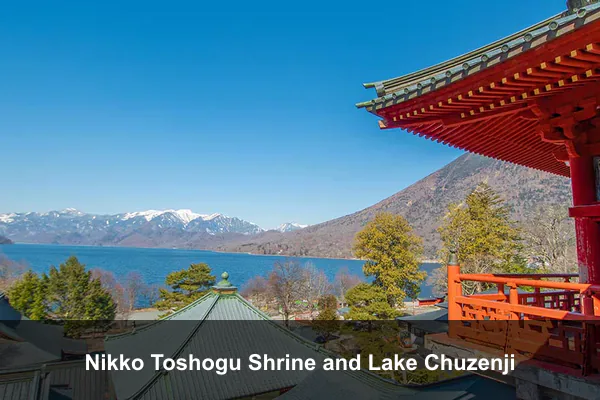
North of Tokyo in Tochigi Prefecture, Nikko pairs the lavish UNESCO-listed Toshogu Shrine with a cool mountain landscape of cedar forests, waterfalls, and Lake Chuzenji. Visit the shrine complex for gilded gates, intricate carvings, and a powerful sense of history, then continue by bus toward the lake to see Kegon Falls and unwind beside the water. May-June brings fresh greenery and comfortable hiking weather, while October is famous for fiery foliage. Travel by train from Tokyo to Nikko, then use local buses for the shrine area and lake; in autumn, take the earliest bus to avoid heavy traffic on the mountain road.
| Best for | UNESCO heritage, forests, and waterfalls |
|---|---|
| Location | Tochigi Prefecture, north of Tokyo |
| Best time | May-June or October foliage |
| Access | Train from Tokyo to Nikko, then bus to shrine area and lake |
Additional Info: If you go in autumn, take the earliest bus toward Lake Chuzenji to avoid heavy traffic on the mountain road.
Kanazawa Kenrokuen Garden and Higashi Chaya District
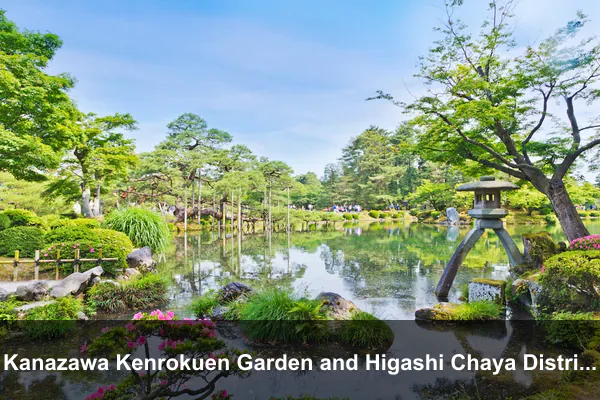
Kanazawa offers a refined alternative to Japan’s busiest heritage cities, blending the sculpted beauty of Kenrokuen Garden with the preserved wooden teahouses of Higashi Chaya District. Visit for elegant seasonal scenery, gold leaf crafts, fresh Hokuriku seafood, and a slower cultural atmosphere in Ishikawa Prefecture. Spring blossoms, autumn color, and snowy winter scenes all suit the garden beautifully. Arrive via the Hokuriku Shinkansen to Kanazawa Station, then pair Kenrokuen with nearby Omicho Market for lunch, going before peak noon crowds for better seafood choices.
| Best for | Gardens, gold leaf crafts, and food |
|---|---|
| Location | Ishikawa Prefecture, Hokuriku region |
| Best time | Spring blossoms, autumn color, or snowy winter scenes |
| Access | Hokuriku Shinkansen to Kanazawa Station |
Additional Info: Pair Kenrokuen with nearby Omicho Market for lunch, but go before peak noon crowds for better seafood choices.
Hiroshima Peace Memorial Park and Miyajima
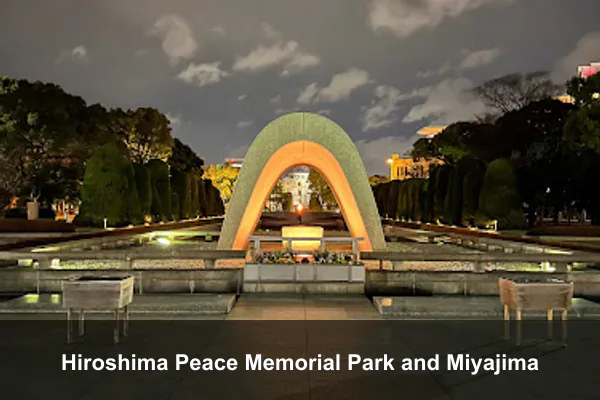
Hiroshima Peace Memorial Park and Miyajima make one of Japan’s most moving day pairings, blending history, reflection, and coastal scenery. Begin in Hiroshima City at the Peace Memorial Museum, Cenotaph, and Atomic Bomb Dome, where the visit is quiet, powerful, and essential for understanding modern Japan. Then continue by train and ferry to Itsukushima Island, better known as Miyajima, to see forested hills, roaming deer, and Itsukushima Shrine’s famous floating torii gate. Travel is straightforward by Shinkansen to Hiroshima, followed by local rail and ferry connections. Visit in March-May or October-November, and check Miyajima tide times in advance so you can see the torii at the water level you prefer.
| Best for | History, reflection, and coastal scenery |
|---|---|
| Location | Hiroshima City and Itsukushima Island |
| Best time | March-May or October-November |
| Access | Shinkansen to Hiroshima; train and ferry to Miyajima |
Additional Info: Check tide times for Miyajima so you can see Itsukushima Shrine's torii gate at the water level you prefer.
Naoshima Art Island
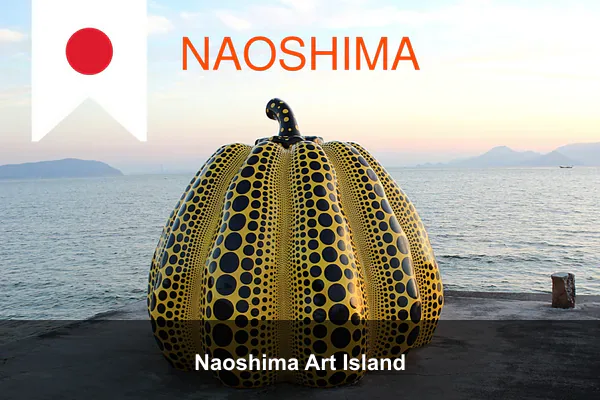
Naoshima is Japan’s signature Seto Inland Sea art escape, a quiet island in Kagawa Prefecture where contemporary museums, Tadao Ando architecture, outdoor installations, and fishing villages feel naturally woven together. Visit for slow island travel: cycle between galleries, seek out seaside sculptures, and leave time for the Art House Project in Honmura. April to June and September to November bring mild weather for walking and ferry-hopping. Access is by ferry from Uno or Takamatsu ports, but reserve museum tickets ahead and stay overnight if possible, as the island becomes especially atmospheric after day-trippers leave.
| Best for | Contemporary art and slow island travel |
|---|---|
| Location | Kagawa Prefecture, Seto Inland Sea |
| Best time | April-June or September-November |
| Access | Ferry from Uno or Takamatsu ports |
Additional Info: Reserve museum tickets ahead and stay overnight if possible, because day-trippers often miss the island's quieter evening atmosphere.
Sapporo Snow Festival and Otaru Canal
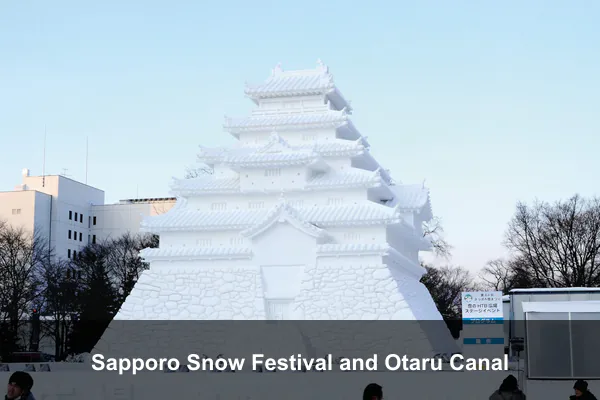
Sapporo and nearby Otaru make Hokkaido one of Japan’s most magical winter stops, especially in early February when the Sapporo Snow Festival fills the city with giant snow and ice sculptures. Base yourself in Sapporo for seafood markets, warming ramen, lively beer halls, and snowy city views, then ride the train to Otaru for glass shops, sushi, and an evening walk along its lantern-lit canal. Fly into New Chitose Airport, continue by train to Sapporo, and use the same rail route for an easy Otaru day trip. Festival week is busy, so book accommodation months ahead and bring proper traction for icy sidewalks.
| Best for | Winter travel, food, and snow scenes |
|---|---|
| Location | Sapporo and Otaru, Hokkaido |
| Best time | Early February for the festival |
| Access | Fly to New Chitose; train to Sapporo and Otaru |
Additional Info: Book accommodation months ahead for festival week, and bring serious traction for icy sidewalks.
Kerama Islands Snorkeling from Okinawa

Kerama Islands snorkeling from Okinawa is a bright subtropical finale to a Japan trip, made for beaches, clear water, coral reefs, and frequent sea turtle sightings. Set in Okinawa Prefecture, these islands move at a slower rhythm than the mainland, with easy days spent drifting over reefs, swimming from white-sand beaches, or joining guided snorkel and dive trips. The best time to visit is April-June or October, when conditions are often calmer and crowds lighter. Fly to Naha, then continue by ferry or a day tour, avoiding peak typhoon months when possible and packing reef-safe sunscreen to help protect the marine environment.
| Best for | Beaches, snorkeling, and marine life |
|---|---|
| Location | Kerama Islands, Okinawa Prefecture |
| Best time | April-June or October |
| Access | Fly to Naha, then ferry or day tour to the islands |
Additional Info: Avoid peak typhoon months when possible and choose reef-safe sunscreen to protect the marine environment.
Tips Before You Go
Use Japan’s rail network strategically: group Tokyo, Hakone, Nikko, Kyoto, Nara, Kanazawa and Hiroshima by region, then plan longer trains or flights for Hokkaido and Okinawa. Before booking, check current official destination details at Japan.travel and confirm local transport schedules.
Reserve popular hotels early for cherry blossom, autumn foliage, winter festivals and island stays. Carry some cash for temples and small eateries, pack for major climate differences between Hokkaido and Okinawa, and leave unscheduled time for weather-dependent views, ferry crossings and food stops.
