

Peru is often planned around ruins and mountain treks, but its waterfronts deserve their own itinerary: high-altitude lakes, Pacific surf beaches, desert oases, reed-island cultures, marine reserves, and turquoise Andean lagoons all fit within one country.
This article should guide travelers toward 10 distinctive lakes, beaches, and waterfront experiences in Peru, with practical notes on timing, transport, safety, and ticket expectations so readers can compare coastal, highland, and desert options without duplicating a general Peru highlights guide.
Lake Titicaca and the Uros Floating Islands
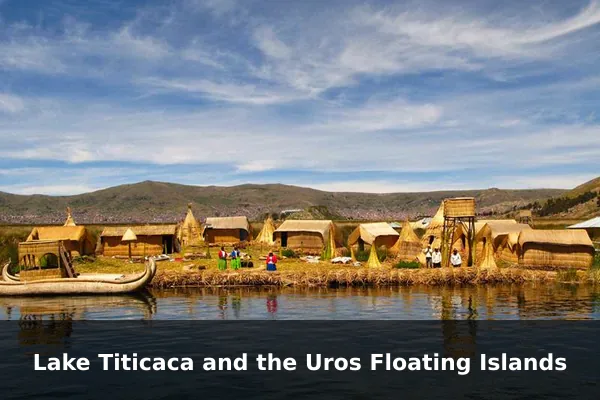
Lake Titicaca and the Uros Floating Islands offer one of Peru’s most distinctive waterfront experiences, where culture and landscape are closely tied to the totora reeds of the lake.
Visitors can ride by boat across calm blue water, step onto reed platforms, and notice how homes, boats, crafts, and daily routines are shaped by the lake environment.
Travel tip: Start from Puno with a licensed boat operator and bring sun protection, a warm layer, and cash for community purchases or small local fees.
Best time to visit: May to October is the clearest dry season; morning departures usually have calmer water and better light.
Ticket price: Prices vary by boat operator and community arrangement; check current SERNANP and local tour conditions before booking.
Taquile Island on Lake Titicaca
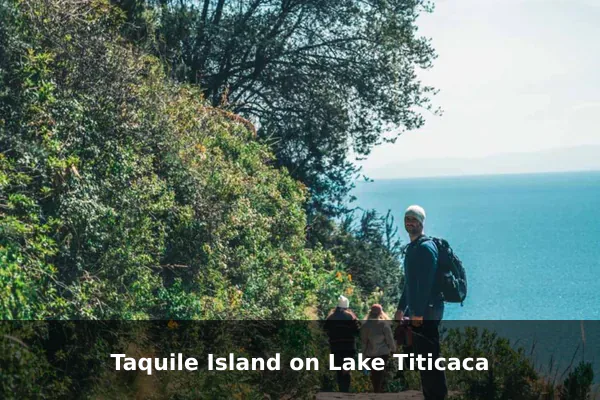
Taquile Island is worth visiting for a slower, more grounded view of Lake Titicaca, with open horizons, quiet footpaths, and a strong tradition of community textile work.
Visitors can walk between stone-lined paths and terraced hillsides, look across the deep-blue lake, and observe finely made woven pieces that reflect local identity and skill.
Travel tip: Wear comfortable shoes because the island visit involves uphill walking at altitude, and consider an overnight stay if you want to avoid a rushed boat schedule.
Best time to visit: May to October, especially mid-morning to afternoon after the early boat crossing from Puno.
Ticket price: Prices vary by boat tour, community access, meals, and homestay arrangements.
Llanganuco Lakes: Chinancocha and Orconcocha
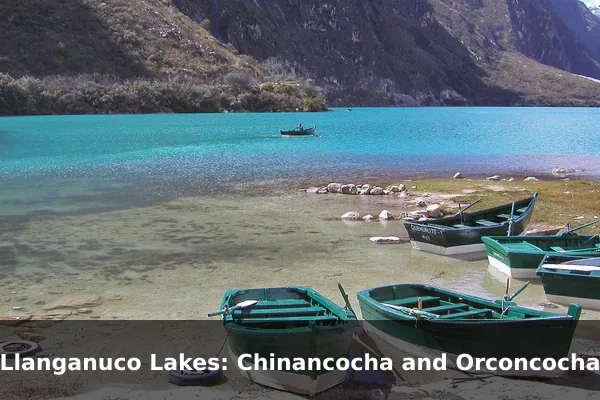
The Llanganuco Lakes are a classic Cordillera Blanca stop because their vivid blue water sits between steep Andean walls and snowy peaks inside Huascarán National Park.
Visitors can pause at scenic viewpoints, take short lakeside walks, and notice the sharp contrast between turquoise water, rocky slopes, high forest patches, and glacial scenery.
Travel tip: Go from Huaraz or Yungay with an early start, and acclimatize before visiting because the lakes sit at high elevation.
Best time to visit: May to September for dry-season views; arrive before late-morning tour groups for quieter viewpoints.
Ticket price: Huascarán National Park admission applies; current SERNANP rates vary by visitor category and pass length.
Laguna 69
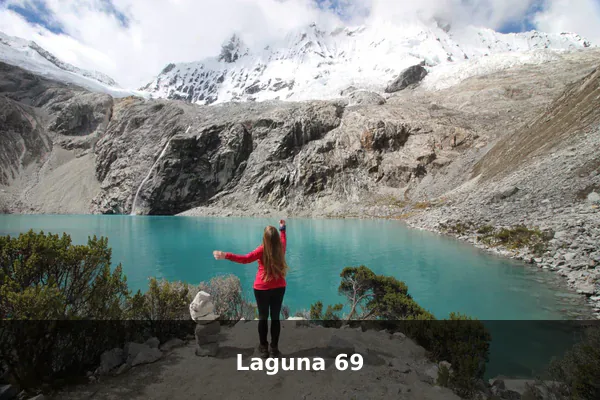
Laguna 69 is one of Peru’s most memorable alpine lake hikes, rewarding a demanding ascent with bright blue water beneath dramatic snowy mountains in Huascarán National Park.
Along the route, visitors pass waterfalls, high meadows, rocky slopes, and mountain streams before reaching a compact lake framed by ice-streaked cliffs.
Travel tip: Spend at least one or two days acclimatizing in Huaraz first, carry water and rain layers, and use an authorized guide or operator when required.
Best time to visit: May to September; begin very early because the hike is long and afternoon weather can change quickly.
Ticket price: Huascarán National Park admission and guided transport costs apply; prices vary by operator and visitor category.
Laguna Parón
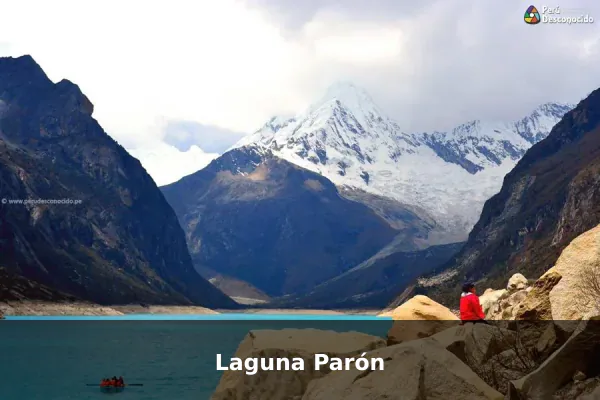
Laguna Parón is a striking high-Andean lake near Caraz, known for its broad turquoise surface and big mountain views without the same hiking commitment as Laguna 69.
Visitors can enjoy the lakeshore, photograph reflections when conditions are clear, and notice the scale of the surrounding peaks rising above the wide glacial basin.
Travel tip: Hire reliable transport from Caraz or Huaraz because the access road can be rough, and confirm local access rules before departure.
Best time to visit: May to September, ideally morning for clearer reflections and fewer clouds.
Ticket price: Local access and transport fees vary; confirm the latest community or protected-area fee with your operator.
Playa Roja in Paracas National Reserve
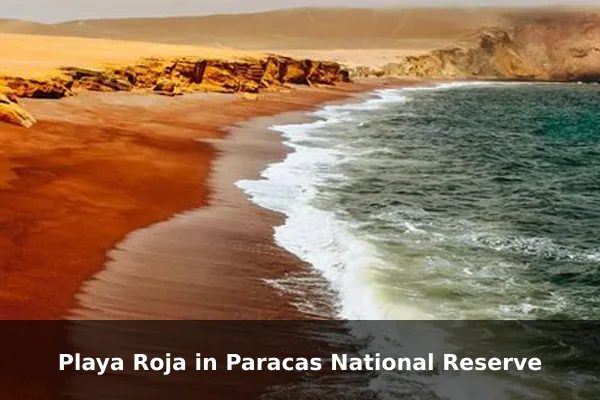
Playa Roja is one of Paracas National Reserve’s most memorable viewpoints, where iron-rich red sand contrasts sharply with pale desert cliffs and the deep blue Pacific.
Visitors can pause above the shore to photograph the color bands, watch waves cut into the rugged coast, and appreciate how desert, ocean, and protected habitat meet in one compact scene.
Travel tip: Stay on marked viewpoints and routes, as the reserve protects fragile coastal habitat and some beach areas are not for swimming.
Best time to visit: All year; visit between 9:00 and 16:00 during official reserve visiting hours, with late morning or afternoon light for photography.
Ticket price: SERNANP lists Paracas National Reserve one-day general admission at about S/11, with rates subject to change.
La Mina Beach in Paracas National Reserve
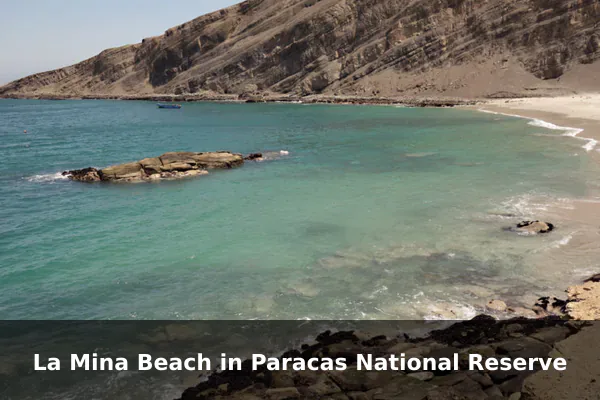
La Mina Beach offers a more sheltered side of Paracas, with calmer-looking water, golden sand, and cliffs that make it feel tucked away from the reserve’s windier viewpoints.
Visitors can relax near the shore, take in the layered rock formations, and enjoy a scenic beach stop that feels softer and more accessible than the dramatic open-coast lookouts nearby.
Travel tip: Bring sunscreen, water, and wind protection, and avoid leaving valuables visible in vehicles at beach parking areas.
Best time to visit: All year, with warmer beach weather from December to March; visit on weekdays for fewer crowds.
Ticket price: Included with Paracas National Reserve entry; SERNANP lists one-day general admission at about S/11, subject to change.
Ballestas Islands Boat Trip from Paracas
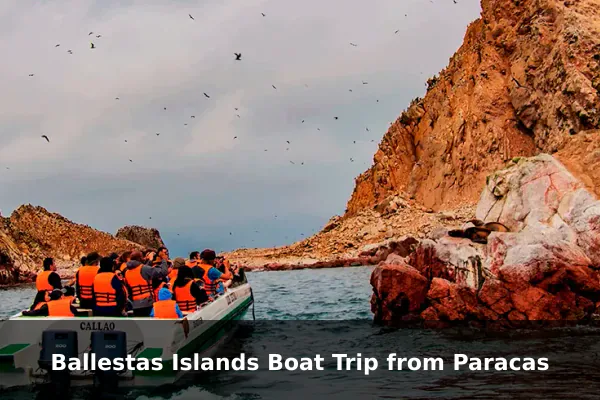
A Ballestas Islands boat trip is one of the easiest ways to experience Peru’s marine wildlife, combining Pacific scenery with close views of seabird colonies and sea lions.
Along the route, visitors can look toward the Candelabro geoglyph, scan rocky islets for wildlife, and notice how the cold Humboldt Current supports the area’s rich coastal ecosystem.
Travel tip: Book the earliest boat in stable weather, bring a windbreaker, and expect cancellations or changes if sea conditions are unsafe.
Best time to visit: All year, but mornings are best because seas are often calmer and wildlife activity is easier to see.
Ticket price: Boat tour prices vary; SERNANP lists a combined Paracas and Ballestas protected-area adult ticket around S/17, with extra pier or operator fees possible.
Huacachina Lagoon

Huacachina Lagoon is a rare desert oasis near Ica, valued for its palm-fringed water, steep surrounding dunes, and sunset views that give the small resort village its distinctive atmosphere.
Visitors can walk around the lagoon, photograph reflections from the promenade, watch dune buggies trace the sand ridges, or pair the waterfront setting with sandboarding tours nearby.
Travel tip: Visit the lagoon on foot, but use licensed dune buggy operators for the sand dunes and keep electronics sealed against sand.
Best time to visit: April to November for milder desert temperatures; sunset is the most atmospheric time around the lagoon.
Ticket price: The lagoon promenade is generally free; dune buggy and sandboarding tours have prices that vary by operator.
Máncora Beach

Máncora Beach is a warm northern escape with a relaxed resort-town feel, drawing travelers for surf, seafood, wide sunsets, and a livelier beach scene than Peru’s cooler central coast.
Visitors can take surfing lessons, linger over fresh coastal meals, walk the beachfront at golden hour, or use the town as a base for boat trips and nearby beaches.
Travel tip: Use reef-safe sunscreen, check surf and current conditions before swimming, and book accommodation away from nightlife areas if you want quiet sleep.
Best time to visit: December to April for the warmest beach weather; early mornings are best for surfing lessons and calmer conditions.
Ticket price: Free public beach; surf lessons, rentals, and boat trips vary by provider.
Official references
- Peru Travel (PROMPERU) – Useful Data About Peru – Official Peru tourism portal with traveler-facing information on visas, climate, emergencies, transport, health, local security, and IPERU assistance.
- Peru Travel (PROMPERU) – Lake Titicaca – Official destination page for Lake Titicaca, useful for anchoring recommendations, access context, and visitor information.
- SERNANP – Paracas National Reserve – Official protected-area visitor page with entry hours, fees, access routes, beaches, activities, and visitor services for Paracas.
- SERNANP – Titicaca National Reserve – Official protected-area visitor page for Lake Titicaca, including routes, admission, tips, and conservation context.
- SERNANP – National Park Huascaran – Official visitor source for Huascaran National Park, relevant to Llanganuco, Laguna 69, Paron, trekking logistics, admissions, and safety-sensitive mountain travel.
