

Paraguay rewards travelers who want South America without the usual crowds: riverside capitals, red-earth villages, Jesuit ruins, waterfalls, wetlands, and the vast Chaco all fit into one compact but surprisingly varied itinerary.
This plan keeps the journey entirely inside Paraguay and balances easy first-time stops with wilder places that need more planning, so readers can build anything from a weeklong cultural route to a slower nature-focused trip.
Asuncion Historic Center and Costanera
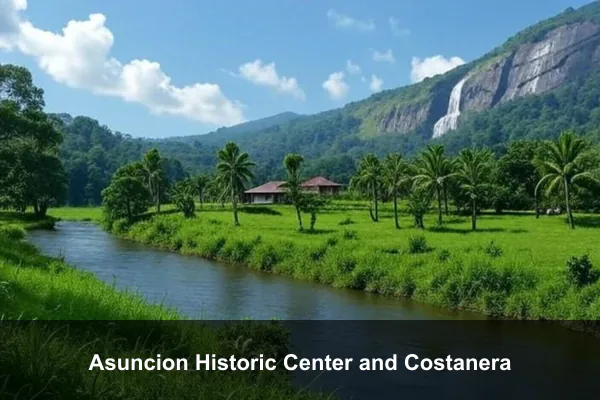
Start in central Asuncion, where Paraguay’s independence story, civic landmarks, and riverfront views fit naturally into an easy city walk. Visit Casa de la Independencia for the country’s founding history, continue past plazas and government buildings, then head to the Costanera along the Paraguay River as late afternoon softens into sunset. The area is best for history, city walks, and river sunsets, especially from May to September when conditions are cooler and clearer. Taxis and ride-shares from city hotels make access simple, and pairing the historic center with the riverside at golden hour gives the capital its most memorable light.
| Best for | History, city walks, river sunsets |
|---|---|
| Location | Central Asuncion, Paraguay River |
| Best time | Late afternoon, May to September |
| Access | Taxi or ride-share from city hotels |
Additional Info: Pair Casa de la Independencia with the Costanera near sunset when the river light is strongest.
Aregua and Lake Ypacarai
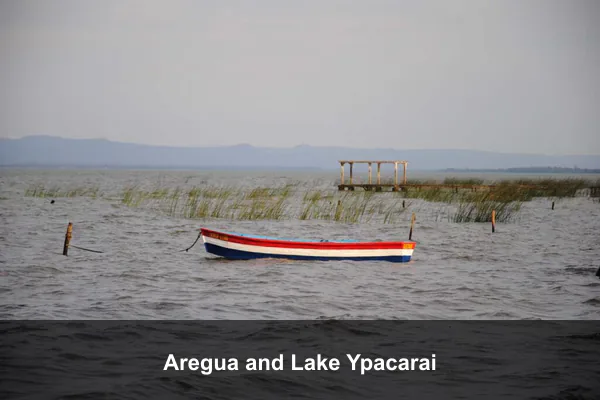
Aregua and Lake Ypacarai make an easy, relaxed escape from Asuncion, especially if you want a slower stop filled with ceramics, lake views, and cafe time. Wander the town’s pottery stalls for hand-painted pieces, pause for coffee or a simple lunch, then head toward the lakeside for breezy views and photos. From July to September, strawberry season adds another reason to visit, with roadside vendors selling fresh fruit and sweets. Aregua sits in the Central Department and works well as a day trip by car or bus; bring small bills, as the pottery stalls and strawberry stands are easiest to enjoy with cash.
| Best for | Ceramics, lake views, cafes |
|---|---|
| Location | Central Department, near Asuncion |
| Best time | July to September for strawberries |
| Access | Day trip by car or bus |
Additional Info: Bring small bills because the pottery stalls and strawberry vendors are easiest to enjoy with cash.
Ybycui National Park and La Rosada
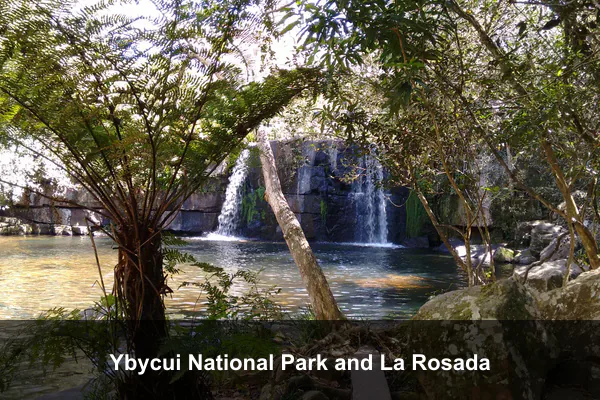
Ybycui National Park and La Rosada bring together some of Paraguay’s most rewarding day-trip contrasts: shaded Atlantic Forest trails, rocky viewpoints, cool waterfall pools, and the restored iron foundry that once powered a key chapter of the country’s industrial history. Set in Paraguari Department, the park is best for hiking, waterfalls, and history, especially in the drier, cooler months from May to September. Go by self-drive or private day tour, and arrive early so you can cover the trails, viewpoints, and La Rosada before the midday heat builds.
| Best for | Hiking, waterfalls, history |
|---|---|
| Location | Paraguari Department |
| Best time | May to September |
| Access | Self-drive or private day tour |
Additional Info: Arrive early because trails, viewpoints, and La Rosada are easier to cover before midday heat.
Encarnacion and Playa San Jose

Encarnacion and Playa San Jose bring a polished river-beach feel to Paraguay’s Itapua Department, with sandy waterfront space, warm evenings, food stalls, and a lively Costanera that suits families by day and nightlife seekers after sunset. Visit from October through the Easter season for the best beach atmosphere, when the Parana waterfront is busiest and most festive. The city is easy to reach by bus or car, with domestic flight routes also useful for shorter trips. Stay near the Costanera to walk between the beach, casual dining, and evening events.
| Best for | Beaches, nightlife, families |
|---|---|
| Location | Itapua Department |
| Best time | October to Easter season |
| Access | Bus, car, or domestic flight route |
Additional Info: Stay near the Costanera if you want to walk between the beach, food stalls, and evening events.
Trinidad and Jesus de Tavarangue Jesuit Missions
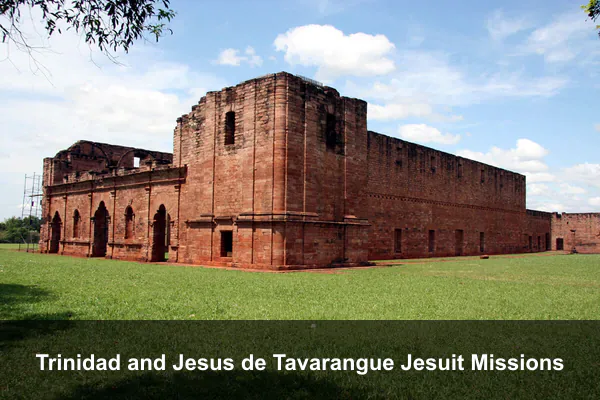
The Trinidad and Jesus de Tavarangue Jesuit Missions are among Paraguay’s most evocative cultural stops, pairing UNESCO heritage with red-stone architecture and Guarani-Jesuit history in the quiet Itapua countryside near Encarnacion. Visit Trinidad first to appreciate the scale of the former mission complex, then continue to Jesus de Tavarangue for quieter photographs, open-sky arches, and a more contemplative feel. The sites are best explored in the dry, mild months, and are easiest to reach by taxi, organized tour, or rental car from Encarnacion.
| Best for | UNESCO heritage, architecture, culture |
|---|---|
| Location | Near Encarnacion, Itapua |
| Best time | Dry, mild months |
| Access | Taxi, tour, or rental car |
Additional Info: Visit Trinidad first for scale, then Jesus de Tavarangue for quieter photographs and open-sky ruins.
Itaipu Binational Dam
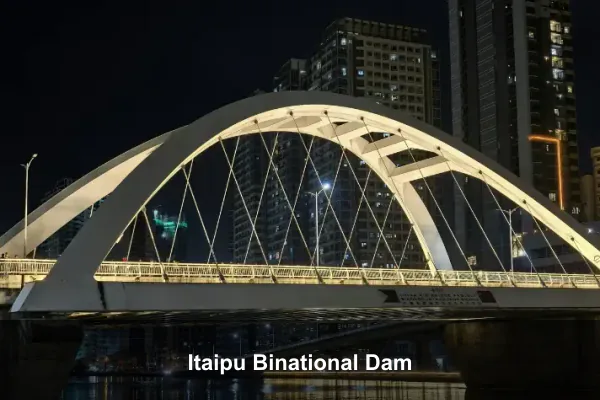
Itaipu Binational Dam, near Hernandarias in Alto Parana, is one of Paraguay’s most impressive sights, combining vast engineering scale with a story of renewable energy and regional cooperation. From the Paraguayan side, visitors can join guided tours to see panoramic viewpoints, learn how the hydroelectric complex works, and appreciate why it remains a landmark for sustainability in South America. It is easy to reach by taxi or organized tour from Ciudad del Este, and weekdays are often the best time to visit year-round. Reserve ahead and bring ID, as access depends on tour schedules and security rules.
| Best for | Engineering, sustainability, viewpoints |
|---|---|
| Location | Hernandarias, Alto Parana |
| Best time | Weekdays, year-round |
| Access | Taxi or tour from Ciudad del Este |
Additional Info: Reserve ahead and carry ID, as visitor access depends on tour schedules and security rules.
Saltos del Monday
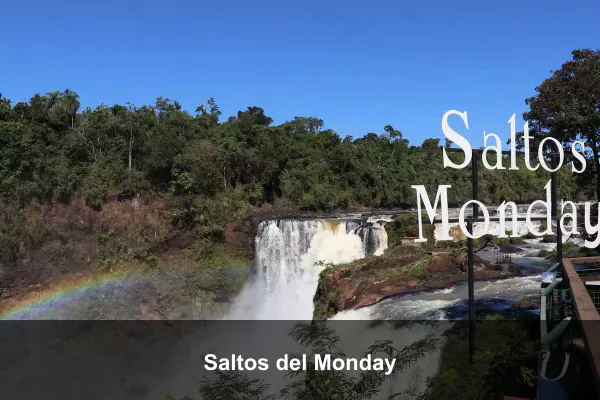
Saltos del Monday is Paraguay’s dramatic waterfall stop near Ciudad del Este, making it an easy nature counterpoint to a shopping day or Itaipu visit. Set in Presidente Franco, the falls plunge through a lush gorge with misty viewpoints, short walking paths, and zipline options for travelers who want more than a quick photo stop. Go in the morning after rainy periods, when the water flow is strongest and the light is best, and plan on a short taxi ride from Ciudad del Este for the simplest access.
| Best for | Waterfalls, zipline, short hikes |
|---|---|
| Location | Presidente Franco |
| Best time | Morning after rainy periods |
| Access | Short taxi from Ciudad del Este |
Additional Info: Use Monday Falls as the nature counterpoint to a Ciudad del Este or Itaipu travel day.
Cerro Cora National Park
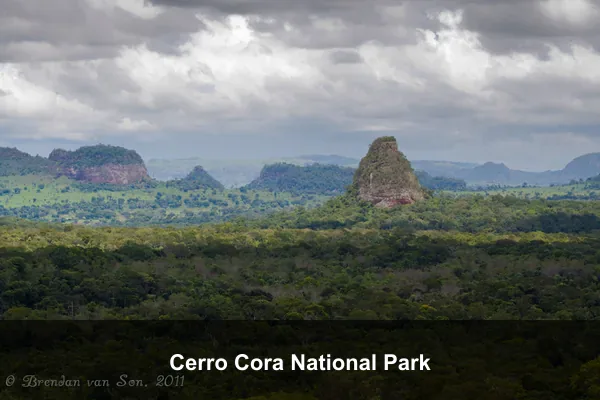
Cerro Cora National Park in Amambay Department is one of Paraguay’s most evocative places to visit, where remote Cerrado-style hills, savanna, and forest meet the battlefield history of the War of the Triple Alliance. Come for quiet hiking, birdlife, rocky viewpoints, and a deeper sense of the country beyond Asuncion. The dry, cooler months from May to August are the most comfortable time to explore, but services are limited, so check road and park conditions with local authorities before going and plan to drive in from Pedro Juan Caballero with supplies.
| Best for | History, hiking, birdlife |
|---|---|
| Location | Amambay Department |
| Best time | May to August |
| Access | Drive from Pedro Juan Caballero |
Additional Info: Check conditions with local authorities before going, as services are limited compared with parks near Asuncion.
Filadelfia and the Central Chaco

Filadelfia, in Boqueron Department, is the Central Chaco’s most rewarding base for understanding Paraguay’s Mennonite, Indigenous, and frontier histories. Visit its small museums, cultural centers, and nearby communities to see how migration, resilience, and Chaco landscapes shaped this remote region. The area is best for travelers interested in museums, culture, and wide-open dry-forest scenery rather than quick sightseeing. Plan for the cooler months from May to August, and treat Filadelfia as a base instead of a brief stop: distances in the Chaco are easy to underestimate. Access is by a long drive along Ruta Transchaco, so arrive with fuel, water, and time built into your itinerary.
| Best for | Museums, culture, Chaco landscapes |
|---|---|
| Location | Boqueron Department |
| Best time | Cooler months, May to August |
| Access | Long drive via Ruta Transchaco |
Additional Info: Use Filadelfia as a base rather than a quick stop, because distances in the Chaco are easy to underestimate.
Bahia Negra and the Paraguayan Pantanal

Bahia Negra, in Alto Paraguay Department, is Paraguay’s wild wetland frontier, where the Paraguayan Pantanal opens into floodplains, forests, and slow rivers rich with birdlife. Visit for wildlife watching, birding, boat trips, and stays at remote nature lodges that place you close to caimans, jabirus, capybaras, and sweeping sunset skies. The best time to go is September to December, when conditions are generally better for nature excursions. Access requires a planned road journey or river transfer, so arrange guides, lodging, and transport before arrival; this is too remote for reliable spontaneous logistics.
| Best for | Wildlife, birding, wetlands |
|---|---|
| Location | Alto Paraguay Department |
| Best time | September to December |
| Access | Planned road or river transfer |
Additional Info: Arrange guides and lodging before arrival, because Bahia Negra is remote and spontaneous logistics are unreliable.
Tips Before You Go
Paraguay is practical but still under-traveled, so plan transport carefully: buses cover major routes, but national parks, Chaco sites, and Pantanal experiences are much easier with a rental car, private transfer, or local guide. Carry cash in guaranies for markets, small towns, park fees, and roadside stops.
Expect hot weather for much of the year, pack sun protection, and confirm opening hours or reservations before visiting specialist sites such as Itaipu, national parks, and remote lodges. For current details, check official resources such as Visit Paraguay, Itaipu, and MADES.
