
Slovenia is compact enough for a culture-focused trip that links capital-city architecture, medieval castles, Venetian coastal heritage, mining history, monastic ruins, and living traditions without long travel days. This plan keeps the article distinct from broad destination roundups by focusing only on specific cultural landmarks and visitor-ready heritage experiences inside Slovenia.
The article should be written as a practical 1000-word recommendation guide with two images: one lead image for Ljubljana or a castle landmark, and one mid-article image for Idrija, Piran, Lipica, or another region outside the capital. Prices and schedules should be framed cautiously because ticket rules, guided-tour times, and event access can change by season.
Joze Plecnik's Ljubljana Route
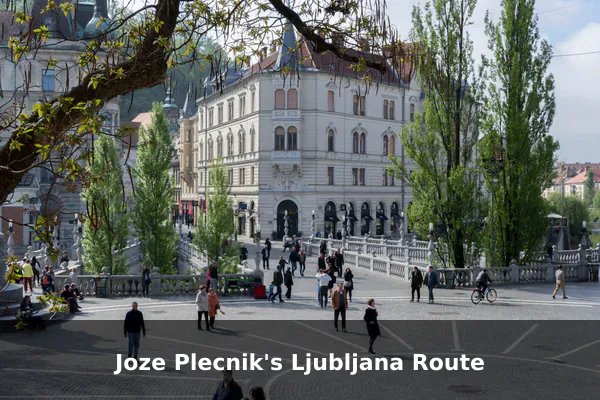
Joze Plecnik’s Ljubljana is a rare case where a single architect shaped a capital’s public face, and UNESCO inscribed his interventions for that very reason. Walking his route gives you a coherent cultural anchor for the trip, tying the river, bridges, market arcades, and civic buildings into one readable story rather than a list of separate sights.
Visitors can trace the Triple Bridge, Cobblers’ Bridge, the riverside Central Market colonnade, the National and University Library, and the Trnovo Bridge near his former home, now the Plecnik House museum. Official guided routes and mapped self-guided walks explain the materials, sightlines, and symbolism, while the exteriors can be enjoyed freely from the embankments and squares.
Travel tip: Follow an official guided route or a mapped self-guided walk, and wear comfortable shoes because the best experience is on foot through the old center and Trnovo.
Best time to visit: Spring to early autumn on a weekday morning; official guided tours are often scheduled on selected days, so check availability before planning around them.
Ticket price: Self-guided exterior viewing is free; official guided walks are commonly about €20.98-€30 per adult depending on the route and inclusions.
Ljubljana Castle
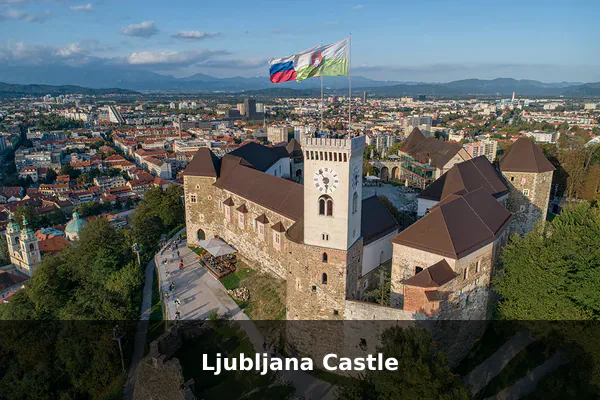
Ljubljana Castle sits on a wooded hill above the old town and works as a layered introduction to the capital, with roots reaching back to medieval fortifications and later Habsburg-era use. Its mix of permanent exhibitions, restored halls, and a viewing tower makes it more than a photo stop, giving context to the streets and rooftops you see below.
Inside, visitors can follow the Slovenian History exhibition, step into the Chapel of St George, climb the Outlook Tower for a full panorama of the city and the Kamnik Alps on clear days, and explore the Puppet Museum. A funicular links the riverside to the courtyard, while several walking paths through the castle hill connect back down to the old town.
Travel tip: Take the funicular uphill if short on time, but walk down through the castle hill paths for a quieter return to the old town.
Best time to visit: Year-round; arrive before 10:00 for fewer crowds or around sunset for views, with longer opening hours typically in the warmer months.
Ticket price: Adult castle ticket is around €15, or about €19 with return funicular; reduced and family tickets are available.
Idrija Mercury Mine and Anthony's Main Road
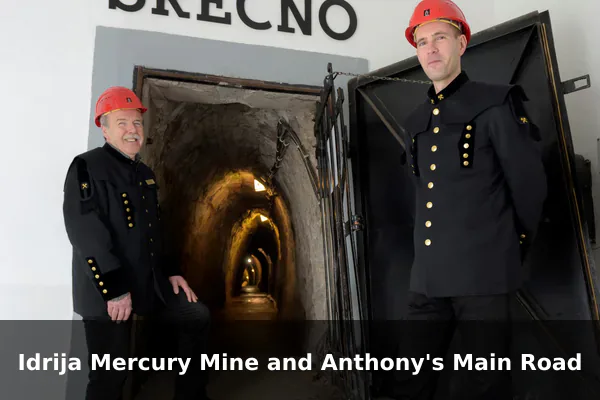
Idrija is Slovenia’s flagship industrial heritage site and shares UNESCO status with Almaden in Spain as part of the Heritage of Mercury listing. Anthony’s Main Road, one of the oldest preserved mine entrances in Europe, lets you step directly into the world that shaped the town’s economy, language, and identity for roughly five centuries.
Visitors descend through timbered tunnels with a guide, see the miners’ chapel, original shafts, and reconstructed work scenes, then continue at the Hg Smelting Plant to follow how cinnabar ore was processed into mercury. Combined tickets pair the two sites, and the surrounding town adds the Idrija lace tradition and miners’ housing to the visit.
Travel tip: Book the mine tour ahead in summer and bring a light jacket because underground sections feel cooler than the town outside.
Best time to visit: April to October for the fullest visitor rhythm; July and August are busiest, while spring and September are easier for crowd control.
Ticket price: Combined Anthony's Main Road and Hg Smelting Plant adult tickets are about €17 in winter, €20 in shoulder months, and €22 in July-August.
Predjama Castle
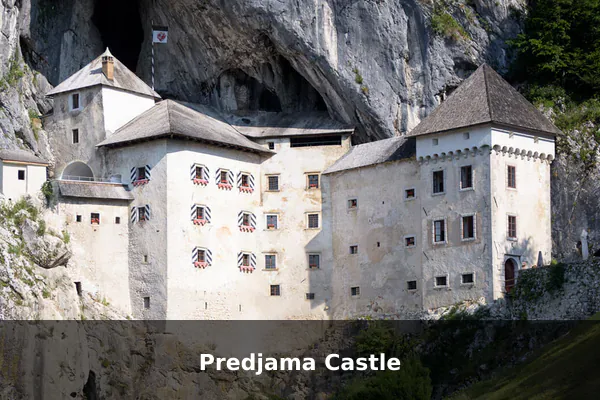
Predjama Castle is built straight into the mouth of a cliff cave, which makes it one of the most distinctive medieval landmarks in Europe and an unusually compact way to experience defensive architecture, karst landscape, and local legend in a single stop. Its setting alone explains why it has resisted sieges and captured imaginations for centuries.
Inside, visitors move through living quarters, the chapel, the armory, and upper galleries that open onto the cave behind the facade, with an included app guide explaining the story of knight Erazem and daily castle life. In the warmer months, a seasonal tour of the cave system below the castle adds a short underground walk to the visit.
Travel tip: Buy tickets online in peak season and consider pairing the castle with Postojna Cave only if you have enough time for timed entries and transfers.
Best time to visit: May, June, or September, preferably at opening time; the cave below the castle is usually a seasonal add-on from June to September.
Ticket price: Adult admission is about €21.50; the castle app guide is included, while rented audio guides may cost extra.
Bled Castle
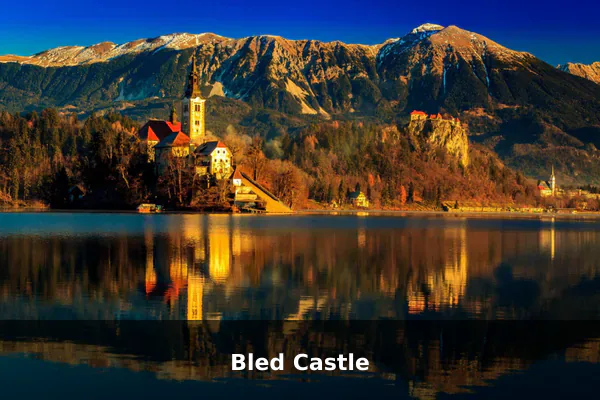
Perched on a cliff above Lake Bled, Bled Castle is one of Slovenia’s oldest castles and the cultural counterpart to the famous island church below. Its museum rooms, printworks, and wine cellar turn a scenic viewpoint into a proper history visit, helping you understand the alpine region’s medieval and ecclesiastical past.
Visitors can tour the castle museum with its archaeological and period displays, watch demonstrations at the replica Gutenberg-style printworks, sample and bottle wine in the cellar, and step onto the terraces for the classic view of the island, lake, and Julian Alps. A small chapel and herbal gallery round out a visit that pairs naturally with a walk or pletna boat ride around the lake.
Travel tip: Arrive by shuttle, taxi, or on foot if parking is tight, and avoid midday in July and August when tour groups cluster on the terraces.
Best time to visit: April to October at 08:00 or after 17:00; November to March is quieter and still useful for museum-focused visits.
Ticket price: Adult admission is about €19, with reduced rates for students, children, seniors, and eligible cardholders.
Lipica Stud Farm

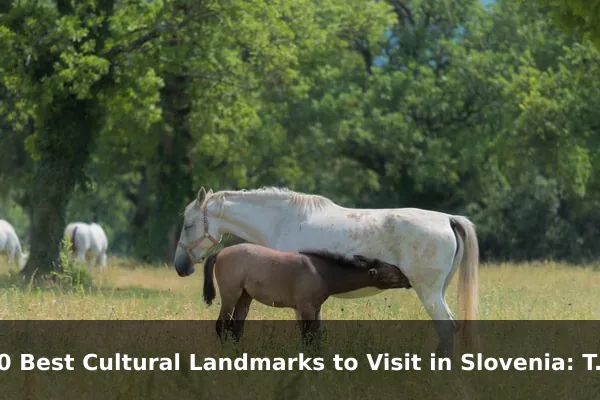
Lipica is worth visiting because it is the original home of the Lipizzaner horse, founded in 1580 and shaped by more than four centuries of classical breeding tradition on the Karst plateau. The estate itself functions as a living cultural landmark, where stables, avenues of lime trees, and pasture land together preserve a continuous heritage of horsemanship that is closely tied to Slovenian and wider Central European identity.
Visitors can join guided tours of the stud farm to meet the horses up close, watch training sessions of the classical riding school, and on selected dates attend full presentations of choreographed riding. The grounds also include historic estate buildings, a chapel, and walking paths through Karst pasture, which together give a sense of how the landscape, the architecture, and the breed have evolved as one cultural ensemble.
Travel tip: Check the daily schedule before going because guided tours, riding-school training, and shows do not run in the same way every day.
Best time to visit: April to June or September to October for pleasant weather; book a late-morning or early-afternoon program to match tour times.
Ticket price: Guided stud farm visits start from about €16; training or show packages are often about €22-€25 and vary by season.
Ptuj Castle
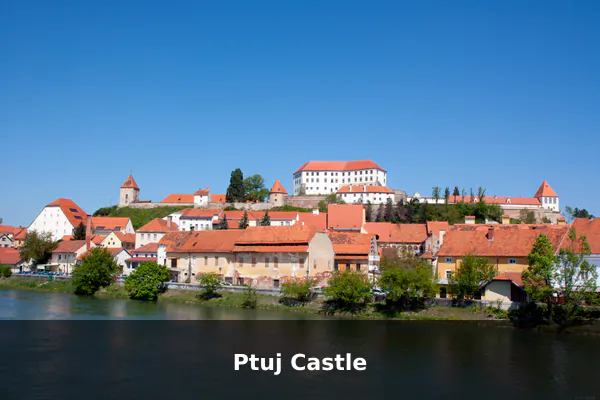
Ptuj Castle is worth visiting because it crowns Slovenia’s oldest documented town and gathers, in one fortified complex, several of the country’s strongest collections of aristocratic and folk culture. The hilltop site has been continuously inhabited since antiquity, and its layered Renaissance and Baroque interiors reflect the noble families who shaped the Drava region over many centuries.
Inside, visitors can move through richly furnished historical rooms, a notable collection of musical instruments, an arms and armour display, and the celebrated gallery of traditional Kurent carnival masks. The terraces also offer a wide view over the red roofs of Ptuj and the river valley, making it natural to continue on foot down to the medieval streets, churches, and squares of the old town below.
Travel tip: Combine the castle with a walk through Ptuj's old streets, but visit the museum first because it is usually closed on Mondays outside high summer.
Best time to visit: Tuesday to Sunday from 10:00-18:00; July and August are useful because Monday opening is often added.
Ticket price: Adult entry to the castle collections is about €10 until April 30, 2026 and about €11 from May 1, 2026.
Old Castle Celje
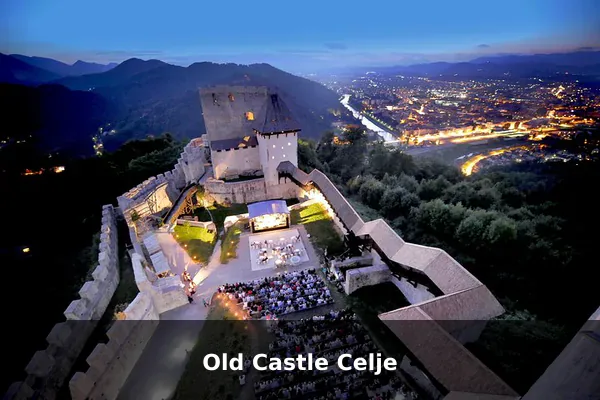
The Old Castle of Celje is worth visiting because it is the largest medieval fortress in Slovenia and the former seat of the powerful Counts of Celje, whose dynasty briefly rivalled the Habsburgs in the late Middle Ages. Set on a steep wooded hill above the confluence of the Savinja and Voglajna rivers, its towers and curtain walls give one of the most complete pictures of feudal power in the eastern part of the country.
Visitors can climb the restored Frederick’s Tower for a sweeping panorama over Celje and the surrounding hills, explore reconstructed halls and defensive walkways, and follow interpretive displays about the counts, their heraldry, and daily medieval life. In the warmer months the courtyards also host knight tournaments, historical reenactments, and open-air concerts, which bring the fortress to life as a working cultural venue rather than a static ruin.
Travel tip: Use local bus lines from Celje railway station when available, or drive carefully because the hill road and small parking area can be limiting on event days.
Best time to visit: Late spring to early autumn, especially morning for views or evening when summer cultural events are scheduled.
Ticket price: Castle-only and event prices can vary; a combined Celje Castle and Regional Museum ticket has been listed at about €12.
Piran Old Town and Tartini Square
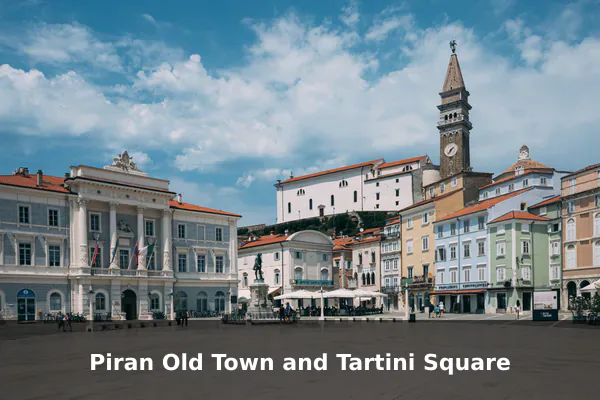
Piran is worth visiting because it preserves Slovenia’s most complete Venetian-influenced townscape, with a compact peninsula of narrow lanes, Gothic palaces, and a sea-facing main square dedicated to the violinist and composer Giuseppe Tartini, who was born here. Centuries of Adriatic trade and the long rule of the Republic of Venice have left a coherent layer of civic architecture, churches, and town walls that feels distinct from the rest of Slovenia.
Visitors can wander Tartini Square with its elegant Town Hall, Tartini statue, and pastel facades, then climb up to the Church of Saint George and its free-standing bell tower for views across the Gulf of Trieste. From there it is easy to follow the medieval town walls, slip into small museums and galleries, and end the day along the waterfront promenade where fishing boats, cafes, and the open sea define the rhythm of Piran life.
Travel tip: Park outside the pedestrian core and use the shuttle or walk in, because central Piran is compact and vehicle access is restricted.
Best time to visit: May, June, September, or early October; go early morning or late afternoon for cooler streets and better photography light.
Ticket price: Tartini Square and the old town streets are free to explore; bell tower, walls, museums, and culture passes may charge small separate fees.
Zice Charterhouse
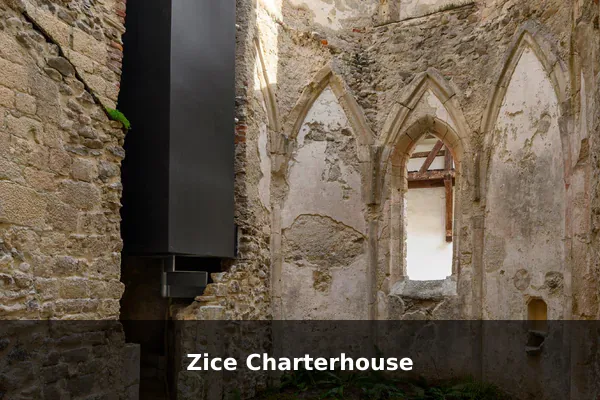
Zice Charterhouse is worth visiting because it is one of the oldest and most important Carthusian monasteries outside the order’s French heartland, founded in the 12th century in a quiet wooded valley known historically as the Valley of Saint John the Baptist. Its weathered Romanesque and Gothic walls, partly ruined and partly restored, offer a contemplative counterpoint to Slovenia’s busier castles and coastal towns.
Visitors can walk through the remains of the great monastery church, the cloisters, and the surrounding cells where monks once lived in strict silence, and learn about Carthusian life and medieval manuscript culture through on-site interpretation. The complex also includes a historic inn serving traditional dishes and herbal products linked to the monastery’s pharmaceutical tradition, and during the warmer months the grounds host concerts and cultural evenings that suit the calm, reflective character of the place.
Travel tip: Use a car or check regional transport carefully, and ask about the audio guide because it is commonly included for individual visitors.
Best time to visit: Late spring through early autumn in the morning or late afternoon; summer evenings can be atmospheric when cultural events are scheduled.
Ticket price: Adult entry is about €8, with reduced, child, family, and combined-ticket options available through the local tourist office.
Official references
- Slovenian Tourist Board – UNESCO World Heritage in Slovenia – Official national tourism board overview of Slovenia's UNESCO-listed cultural and natural heritage, useful for landmark selection and visitor context.
- Government of Slovenia – Cultural Heritage – Primary government source for Slovenia's cultural heritage policy, protection framework, and terminology.
- UNESCO World Heritage Centre – Slovenia – Primary UNESCO listing for Slovenia's World Heritage properties, including cultural landmarks such as Idrija and Plecnik's Ljubljana.
- UNESCO World Heritage Centre – The works of Joze Plecnik in Ljubljana – Authoritative reference for Ljubljana's Plecnik landmarks, their boundaries, significance, and protected status.
- Visit Ljubljana – Plecnik's Ljubljana – Official destination source for visitor-facing details about Plecnik landmarks, routes, and cultural context in Ljubljana.
