
Italy is often planned around art cities, ruins, and food, but its outdoor side is just as compelling: high Alpine ledges, volcanic slopes, wild islands, limestone canyons, glacier-fed rivers, and quiet wildlife valleys. This article plan takes a deliberately adventure-focused angle, avoiding a generic Italy highlights list and keeping every recommendation inside Italy.
The best trips here depend on season, weather, fitness, and local access rules, so travelers should check official park notices, weather and hydrogeological alerts, avalanche bulletins in winter, and current operator details before booking. Prices and access arrangements can change, especially for cable cars, guided climbs, rafting, ferries, and protected-area services.
Via delle Bocchette, Brenta Dolomites
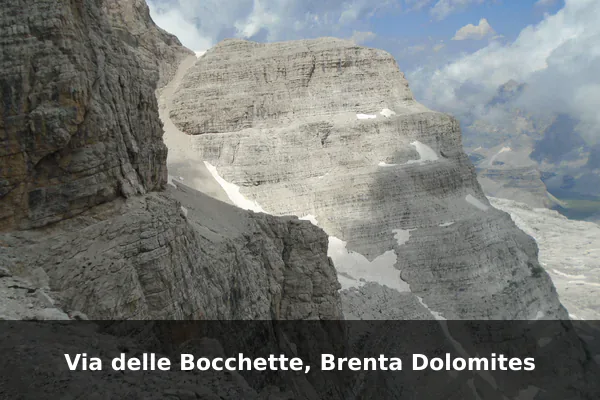
Via delle Bocchette threads across the limestone spires of the Brenta Dolomites on a network of narrow ledges and cable-protected catwalks, offering one of the Alps’ most theatrical via ferrata experiences. Its appeal lies in the combination of serious vertical exposure with a relatively walkable grade, letting confident mountaineers move through cathedral-like rock scenery that would otherwise demand technical climbing skills.
Experienced hikers can link sections such as the Bocchette Centrali and Bocchette Alte between historic rifugi like Tuckett, Alimonta, and Pedrotti, clipping into fixed cables along airy traverses and metal ladders bolted to the cliffs. Along the way, walkers may notice resident chamois on the scree, summer snowfields tucked beneath the towers, and weather that can shift quickly, so checking official Italian forecasts and Alpine rescue guidance before setting out is strongly advised.
Travel tip: Book rifugio beds early and carry a helmet, harness, and via ferrata set; avoid the route after storms or when snow and ice remain.
Best time to visit: Late June to mid-September, preferably weekdays, with an early 06:00-07:00 start after a stable forecast.
Ticket price: Route access is generally free; mountain guides, lifts, hut nights, and gear rental vary by operator and season.
Ceresole Reale and Nivolet High Trails, Gran Paradiso National Park
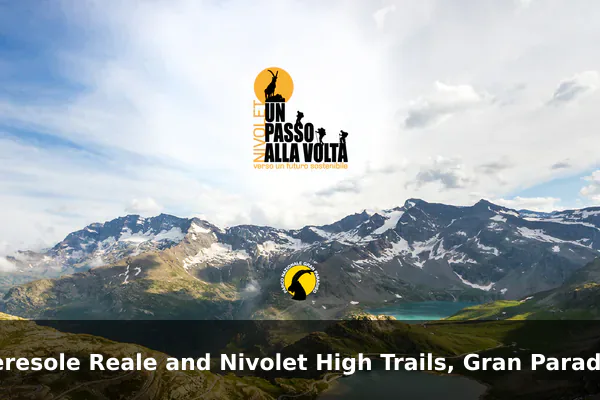
Ceresole Reale sits at the southern gateway to Gran Paradiso National Park, Italy’s oldest national park, offering a calmer Alpine base than the busier Aosta-side villages. Its turquoise reservoir, larch forests, and the dramatic switchbacks climbing toward the Colle del Nivolet reward visitors with big-mountain scenery and a strong chance of spotting ibex and chamois without the city-style crowds found on more famous Dolomite routes.
From here hikers can follow the high trails toward Lago Rosset, Lago Leità, and the wider Nivolet plateau, where glacial tarns sit beneath peaks above 3,000 metres and marmots are easy to hear on quiet mornings. Visitors may also notice protected wildflower meadows, old royal hunting paths, and seasonal traffic limits on the road to Nivolet, which is periodically closed to private cars to protect the fragile high-altitude environment.
Travel tip: Use seasonal shuttle options where private-car limits apply, and carry layers, water, and an offline trail map even in summer.
Best time to visit: Late June to September, weekdays from 07:00-10:00; winter outings require snow and avalanche planning.
Ticket price: Park trail access is generally free; shuttle, parking, visitor centers, and guided hikes may carry separate charges.
Mount Etna South Crater Trek, Sicily
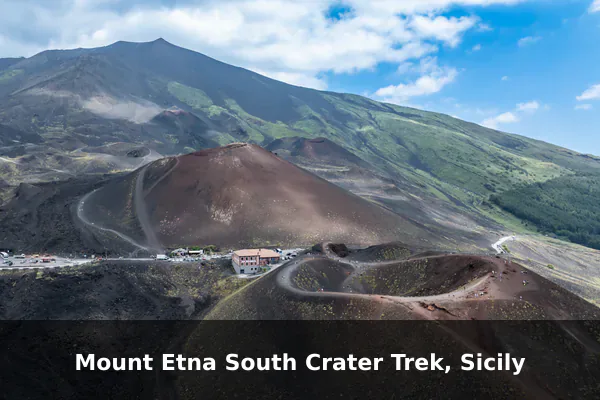
Mount Etna rises above eastern Sicily as Europe’s most active stratovolcano, and a trek toward its South Crater offers a rare chance to walk across recent lava fields and steaming fissures within a UNESCO-listed landscape. Its mix of altitude, exposure, and ongoing volcanic activity creates terrain that feels genuinely otherworldly, setting it apart from the rest of Italy’s outdoor circuits.
From the Rifugio Sapienza base, visitors can ride the cable car and 4×4 shuttles toward the upper craters, then continue on foot with an authorized guide to observe ash cones, old lava flows, and panoramic views over the Ionian coast. Conditions shift quickly with wind, cloud, and reported activity, so itineraries may be adjusted on the day, and travelers are advised to check current alerts from Italian civil protection sources before setting out.
Travel tip: Use an authorized volcanological guide for summit zones, check activity-related closures, and bring boots plus windproof layers.
Best time to visit: May to June or September to October, with morning starts around 08:00-11:00 before clouds and wind build.
Ticket price: Lower marked trails may be free; cable car, 4×4, and guided summit excursions vary and should be checked before visiting.
Selvaggio Blu, Gulf of Orosei, Sardinia
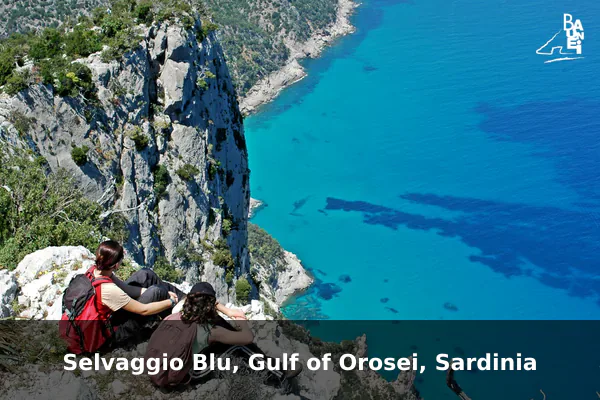
Selvaggio Blu traces one of the Mediterranean’s most isolated coastlines, where the Gulf of Orosei’s limestone walls plunge into turquoise water along Sardinia’s eastern edge. The route is widely regarded as Italy’s most demanding coastal trek, rewarding committed hikers with hidden coves, juniper-shaded ledges, and stretches of shoreline that remain unreachable by road.
Visitors typically link several days of route-finding across exposed cliff bands, scrambling sections, and short rope-assisted descents toward beaches such as Cala Sisine and Cala Goloritzé. Along the way, trekkers notice old goat-herder paths, karst caves, and resupply points reached only by boat, making careful planning and local knowledge essential for a safe traverse.
Travel tip: Go with a qualified local guide unless you have advanced navigation and rope skills; arrange water drops and boat exit options.
Best time to visit: April to May or late September to October, starting at dawn; avoid the strongest July and August heat.
Ticket price: There is no standard trail ticket; guided packages, boat logistics, bivouac support, and beach access arrangements vary widely.
Val di Mello Granite Climbing and Hiking, Lombardy
Val di Mello, often described as Italy’s little Yosemite, sits in the upper Valtellina area of Lombardy and is recognized as a protected nature reserve. Its glacier-polished granite slabs, towering walls, and quiet meadows draw climbers and hikers seeking a less crowded alpine setting close to the Swiss border.
Visitors can attempt classic multi-pitch slab routes, bouldering circuits among the valley floor erratics, or gentler walks along the river toward waterfalls and rifugi with views of the surrounding peaks. Conditions can shift quickly at altitude, so checking regional weather and mountain alerts before heading in is strongly advised.
Travel tip: Check the San Martino access and shuttle system before driving in; climbers should bring a current guidebook, helmet, and suitable gear.
Best time to visit: May to June and September to October, especially weekday mornings; summer climbing is best on shaded routes.
Ticket price: Nature reserve access is generally free; parking, shuttle, guides, gear rental, and courses vary by provider.
Cima Capi Via Ferrata, Lake Garda
Cima Capi rises directly above the northern shore of Lake Garda, rewarding climbers with one of the most striking panoramas in the Italian Alps, where turquoise water meets near-vertical limestone walls. The route is widely regarded as an accessible introduction to via ferrata for hikers ready to clip in, combining moderate technical difficulty with the dramatic exposure that has made the Garda Trentino region a magnet for outdoor travelers.
Visitors typically start from Biacesa di Ledro and follow a steady cabled ascent past wartime tunnels and trench remnants from the First World War, with options to extend along the Cima Rocca traverse for a longer day on the ridge. From the summit cross, expect sweeping views over Riva del Garda, Monte Baldo, and the lake’s deep blue basin, alongside birds of prey circling the cliffs and wildflowers clinging to the rocky terraces in spring.
Travel tip: Bring or rent certified via ferrata equipment and pack a headlamp if adding the Cima Rocca tunnel sections.
Best time to visit: March to June and September to October, morning starts preferred; avoid hot afternoons and any thunderstorm risk.
Ticket price: The route itself is generally free; guided trips and equipment rental vary, with many guided options priced per person.
Val Fondillo and Camosciara, Abruzzo, Lazio and Molise National Park
Val Fondillo and Camosciara sit at the heart of the Abruzzo, Lazio and Molise National Park, one of the oldest protected areas in the Apennines and a stronghold for the Marsican brown bear, Apennine wolf, and Abruzzo chamois. The valleys combine accessible forest paths with dramatic limestone cirques and waterfalls, making them a rewarding base for travelers who want genuine wildlife encounters alongside manageable hiking.
Visitors can follow the Val Fondillo trail past the old sawmill and beech woods, branch toward caves and the Camosciara loop with its cascades and panoramic viewpoints, and stop at park visitor centers to learn about reintroduction projects and protected habitats. Quiet early mornings often reveal red deer at the meadow edges, while interpretive panels and park rangers help explain the fragile ecosystems travelers are walking through.
Travel tip: Stay on marked trails, keep distance from wildlife, and book a guide for dawn or dusk wildlife walks.
Best time to visit: May to June and September to October, weekdays from 07:00-11:00 for quieter trails and better wildlife conditions.
Ticket price: Park trails are generally free; visitor centers, parking, shuttles, and guided walks may charge small or variable fees.
Lao River Rafting, Pollino National Park
The Lao River cuts through the wild heart of Pollino National Park, Italy’s largest national park straddling Basilicata and Calabria, and is widely regarded as one of southern Italy’s premier white-water destinations. Steep limestone canyons, clear spring-fed water, and a remote setting give the descent a sense of adventure that is harder to find on more developed northern rivers.
Visitors typically join a guided raft trip that threads rapids, calm pools, and narrow gorges where the canyon walls rise sharply on both sides, with chances to spot griffon vultures and other wildlife overhead. Between runs, travelers can swim in sheltered stretches, explore short riverside trails, and combine the rafting with nearby villages such as Laino Borgo, which serves as a common launch base for outfitters.
Travel tip: Book a certified rafting outfitter and confirm route difficulty, minimum age, swimming ability, and what equipment is included.
Best time to visit: May to June for stronger flows, or July to September for gentler family-friendly sections; morning slots are often best.
Ticket price: Park access is generally free; guided rafting prices vary by outfitter, route length, water level, and group size.
Capraia Island Trails and Blue Mile, Tuscan Archipelago National Park
Capraia, a wild volcanic outpost in the Tuscan Archipelago National Park, rewards travelers who prefer raw landscapes over crowded resorts. Its rugged coastline, clear protected waters, and limited development make it one of the most authentic outdoor escapes in Italy, where conservation rules help preserve both the trails and the surrounding marine habitat.
Visitors can follow waymarked island paths toward viewpoints like Monte Castello, paddle the Blue Mile route along sea caves and cliffs, and snorkel above seagrass meadows that shelter local marine life. Birdwatching, small-boat excursions to hidden coves, and quiet evenings in the tiny port village round out a low-key but genuinely adventurous experience.
Travel tip: Download the official trail map offline, book ferries carefully, and carry more water than expected because shade and services are limited.
Best time to visit: May to June or September, with hikes from 07:00-11:00 and snorkeling only in calm sea conditions.
Ticket price: Trail and Blue Mile access is generally free; ferries, guided park activities, kayak rental, and boat trips vary.
Campo Imperatore and Corno Grande Approach, Gran Sasso
Campo Imperatore is a vast Apennine plateau within Gran Sasso e Monti della Laga National Park, often called Italy’s Little Tibet for its open, treeless grasslands rolling beneath Corno Grande, the highest peak of the central Apennines. Its combination of accessible high-altitude terrain, dramatic ridgelines, and a historic cable car from Fonte Cerreto makes it a rare place where casual visitors and ambitious mountaineers share the same starting point.
Visitors can walk gentle plateau paths, spot grazing horses and the occasional Apennine chamois, and watch weather sweep across the basin, while experienced hikers tackle the Via Normale or more technical lines toward Corno Grande’s summit. In winter the plateau becomes a snowshoeing and ski-touring landscape, and the historic Rifugio Duca degli Abruzzi and observatory anchor the skyline near the upper cable car station.
Travel tip: Treat Corno Grande as a mountain objective, not a casual walk; check weather alerts and hire a guide if you lack alpine experience.
Best time to visit: Late June to September, from sunrise to early afternoon; winter snowshoeing requires avalanche and weather checks.
Ticket price: Park trail access is generally free; cable car, parking, guided hikes, and winter lift tickets vary by season.
Official references
- Italia.it – Outdoor Activities and Nature Trails in Italy – Official national tourism source for Italy-wide outdoor destination ideas and nature travel themes.
- Italia.it – Emergency Numbers and Assistance in Italy – Official visitor-facing emergency number and assistance reference for travelers in Italy.
- Dipartimento della Protezione Civile – Weather and Hydrogeological Alerts – Primary Italian civil protection source for weather, flood, landslide, and hydrogeological alert information relevant to outdoor safety.
- Meteomont – Avalanche Bulletins – Official avalanche and mountain snow-risk service for planning winter and high-mountain activities in Italy.
- CNSAS – Italian Alpine and Speleological Rescue Corps – Primary mountain rescue body for Italy, useful for safety guidance, rescue context, and mountain emergency planning.
