
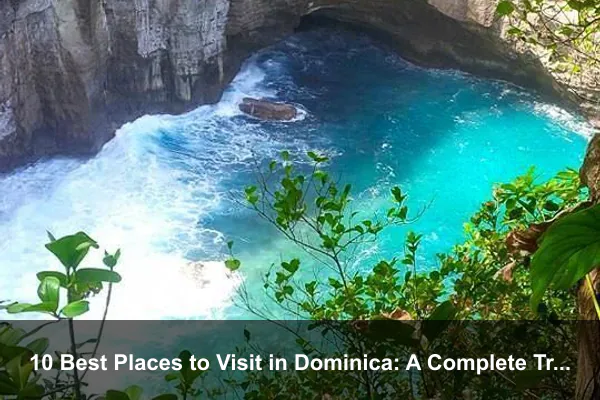
Dominica is the Caribbean’s Nature Island: steep volcanic mountains, rainforest trails, hot springs, river gorges, and clear marine reserves rather than rows of resort beaches. This plan focuses on places that show the island’s wild side while staying entirely within Dominica.
Use it as a practical framework for a long-form guide: mix demanding hikes with easy waterfall stops, Indigenous culture, historic forts, snorkeling, and responsible whale watching. Most nature sites require an eco-tourism site pass, and a local guide is smart for remote trails and water-based experiences.
Boiling Lake and Valley of Desolation
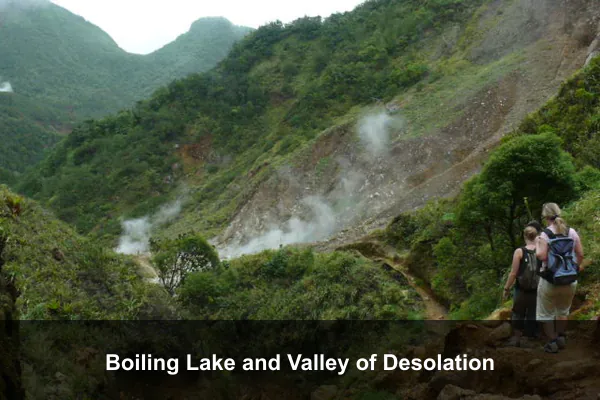
Boiling Lake and the Valley of Desolation deliver Dominica’s most intense adventure: a guided full-day hike from Laudat into Morne Trois Pitons National Park’s steaming volcanic heart. Serious hikers come for the challenge, river crossings, rainforest climbs, sulfur vents, and the surreal sight of the world-famous flooded fumarole churning in a misty crater. Start early in the dry season for the safest conditions and best chance of clear views, and do not attempt the trail after heavy rain, when swollen rivers and unstable steam vents can make the route dangerous.
| Best for | Serious hikers and volcanic scenery |
|---|---|
| Location | Morne Trois Pitons National Park |
| Best time | Dry season, early morning start |
| Access | Guided full-day hike from Laudat |
Additional Info: Do not attempt this trail after heavy rain, as river crossings and steam vents can become risky.
Trafalgar Falls
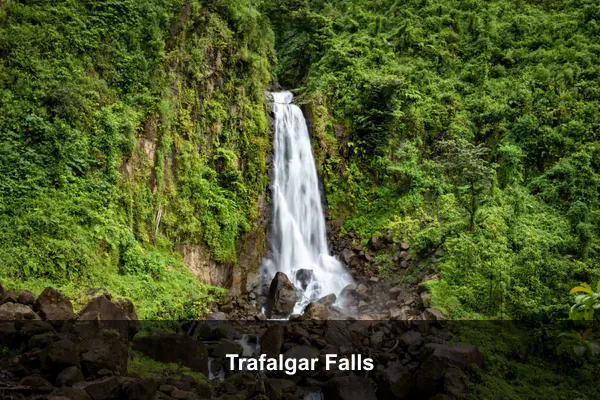
Trafalgar Falls is one of Dominica’s easiest waterfall stops, set near Trafalgar village east of Roseau and reached by a short trail from the visitor center. The twin falls, often called the Mother and Father, make a rewarding quick visit for waterfall views, photos, and a gentle walk through lush Roseau Valley scenery. Go in the morning before tour groups arrive for a quieter lookout and better pace on the path. Conditions around the rocks and pools can change quickly, so stay on marked routes unless a local guide confirms it is safe to go farther that day.
| Best for | Waterfall views and short walks |
|---|---|
| Location | Near Trafalgar village, east of Roseau |
| Best time | Morning before tour groups |
| Access | Short trail from visitor center |
Additional Info: Stay on marked paths unless a local guide confirms that the rocks and pools are safe that day.
Emerald Pool
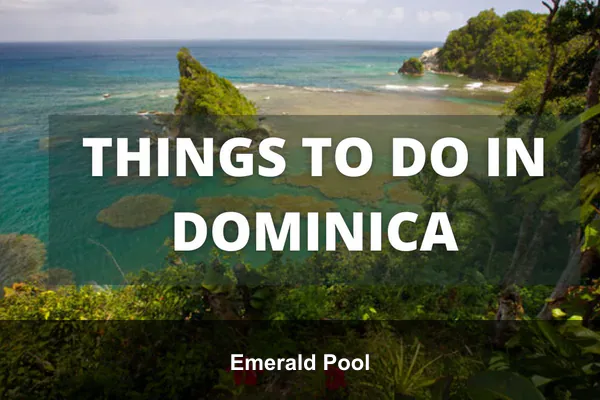
Emerald Pool is one of the easiest rainforest escapes in Dominica, making it ideal for families and first-time visitors who want a quick taste of the island’s wild beauty. Just off the Roseau-Castle Bruce Road, a short forest trail leads through lush greenery to a waterfall-fed pool that is perfect for photos, a refreshing dip, or a quiet pause in nature. Visit early morning or late afternoon for softer light and fewer people, and remember that access requires a site pass. The water is cooler than it looks, so bring a light towel even on hot days.
| Best for | Families and first-time visitors |
|---|---|
| Location | Roseau-Castle Bruce Road |
| Best time | Early morning or late afternoon |
| Access | Short forest trail with site pass |
Additional Info: The pool is cooler than it looks, so bring a light towel even on hot days.
Titou Gorge
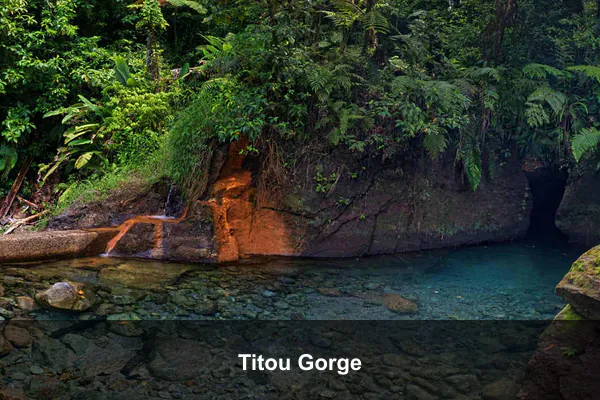
Titou Gorge is one of Dominica’s most memorable soft adventures, a short swim through a narrow, lava-formed channel where cool water slips between rainforest-clad cliffs. Set in Laudat near Freshwater Lake, it is ideal for confident swimmers who want a quick but dramatic nature stop, especially before noon or after tackling the Boiling Lake hike. Entry is by water, so wear a life vest if needed and bring a waterproof pouch, because the best part of the gorge is reached while swimming.
| Best for | Swimmers and soft adventure |
|---|---|
| Location | Laudat, near Freshwater Lake |
| Best time | After Boiling Lake or before noon |
| Access | Swim entry; life vest recommended |
Additional Info: Use a waterproof pouch, because the best part of the gorge is reached in the water.
Champagne Reef
Champagne Reef, on Dominica’s southwest coast near Pointe Michel, is one of the island’s most memorable snorkeling and diving spots, where volcanic gases bubble up from the seabed like a natural underwater spa. Visit on calm, clear mornings for the best visibility, then drift above warm vents, coral, and colorful marine life just offshore. Access is possible by shore entry or with a dive operator, but the entry can be rocky, so wear water shoes and use reef-safe sunscreen only.
| Best for | Snorkeling, diving, marine life |
|---|---|
| Location | Southwest coast near Pointe Michel |
| Best time | Calm, clear mornings |
| Access | Shore entry or dive operator |
Additional Info: Wear water shoes for the rocky entry and use reef-safe sunscreen only.
Scotts Head and Soufriere-Scotts Head Marine Reserve
At the southwest tip of Dominica, Scotts Head is where big coastal views meet some of the island’s most rewarding underwater scenery. Drive from Roseau, then take the short uphill walk to the headland for sweeping views over Soufriere Bay and the meeting of Caribbean and Atlantic waters. Come in the morning for clearer, calmer snorkeling or diving around the Soufriere-Scotts Head Marine Reserve, where reefs and dramatic walls attract marine life close to shore. Return near sunset for the viewpoint, and always check local sea conditions because exposure can change quickly around the point.
| Best for | Coastal views and underwater scenery |
|---|---|
| Location | Southwest tip of Dominica |
| Best time | Morning for water, sunset for views |
| Access | Drive from Roseau; short uphill walk |
Additional Info: Check sea conditions locally because this point sits between calmer Caribbean water and rougher Atlantic exposure.
Indian River Boat Tour
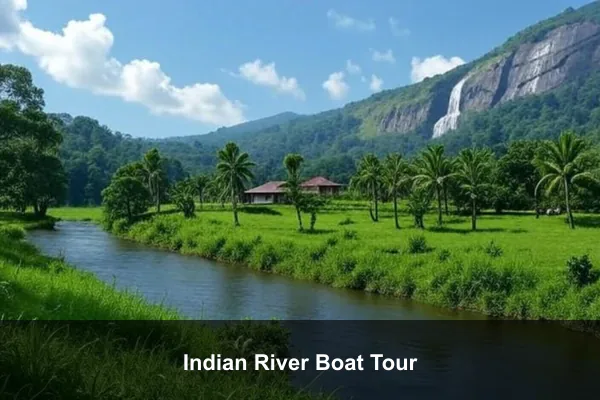
The Indian River Boat Tour is one of Dominica’s most peaceful escapes, a hand-rowed journey from Portsmouth through shaded mangroves, coastal wetlands, and still water ideal for birdlife, calm nature, and photography. Go early morning or late afternoon, when the light is soft and wildlife is most active, and take a licensed rowboat tour rather than exploring independently. Ask for a local boatman who can point out the river’s plants, crabs, herons, and other wildlife while sharing stories of Kalinago history and the river’s role in northwest Dominica’s coastal landscape.
| Best for | Birdlife, calm nature, photography |
|---|---|
| Location | Portsmouth, northwest Dominica |
| Best time | Early morning or late afternoon |
| Access | Licensed rowboat tour |
Additional Info: Ask for a local boatman who can explain the river's plants, wildlife, and Kalinago history.
Fort Shirley at Cabrits National Park
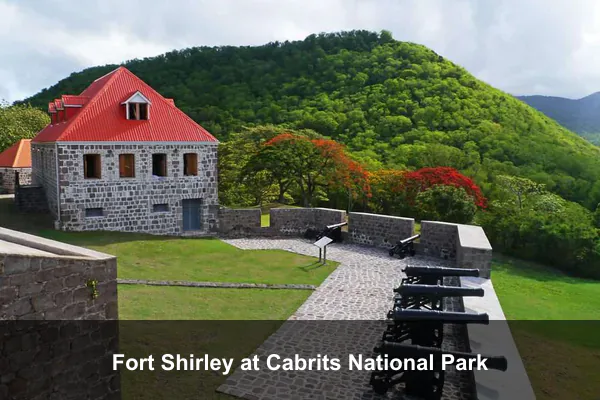
Fort Shirley is one of Dominica’s most rewarding north-island stops, blending restored colonial-era ramparts with sweeping views over Prince Rupert Bay and Portsmouth. Visit for a gentle dose of history, short footpath walks through Cabrits National Park, and photo-worthy hilltop viewpoints without committing to a strenuous hike. Go in the morning or late afternoon for cooler light and easier exploring, reaching the site via the park entrance road before continuing on foot around the fort grounds. To make the day more efficient, pair Fort Shirley with nearby Indian River so you avoid extra driving across the north of the island.
| Best for | History, viewpoints, light hiking |
|---|---|
| Location | Cabrits National Park, Portsmouth |
| Best time | Morning or late afternoon |
| Access | Park entrance road and footpaths |
Additional Info: Pair it with Indian River on the same day to avoid extra north-island driving.
Kalinago Barana Aute Cultural Village
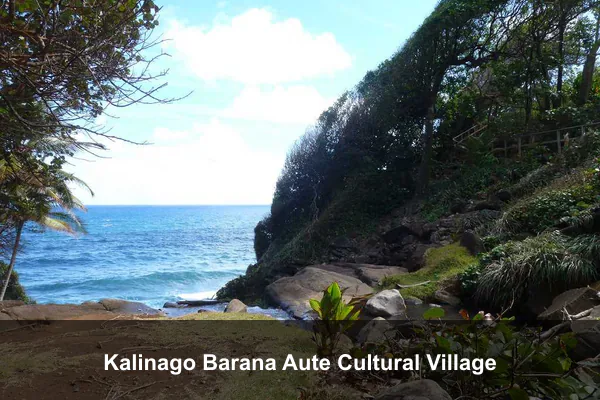
Kalinago Barana Aute Cultural Village in Bataka, within the Kalinago Territory, offers a thoughtful introduction to Dominica’s Indigenous heritage through traditional architecture, craft-making, food, music, and guided storytelling. Visit around midday with a guide to understand the meaning behind cassava processing, woven baskets, canoes, and communal spaces rather than treating them as displays. It is best for culture and community tourism, and buying crafts directly from makers helps support local families. The journey follows a winding east-coast road, so allow extra time, travel slowly, and keep etiquette in mind: ask before photographing people, ceremonies, or private moments.
| Best for | Culture and community tourism |
|---|---|
| Location | Bataka, Kalinago Territory |
| Best time | Midday with a guide |
| Access | Winding east-coast road |
Additional Info: Buy crafts directly from makers and ask before photographing people or ceremonies.
Sperm Whale Watching from the West Coast
Sperm whale watching from Dominica’s west coast is one of the island’s most memorable wildlife and ocean experiences, with resident whales present year-round in deep offshore waters. Join a licensed 2-4 hour boat tour from west coast departure points to listen for clicks, scan the horizon, and, with luck, watch these giants surface in their natural habitat. November to June often brings the best conditions, especially on calm days. Choose operators that respect responsible viewing distances, and bring seasickness medication if you are prone to motion sickness.
| Best for | Wildlife and ocean experiences |
|---|---|
| Location | West coast departures |
| Best time | November to June, especially calm days |
| Access | Licensed boat tour, 2-4 hours |
Additional Info: Choose operators that follow responsible viewing distances and bring seasickness medication if needed.
Tips Before You Go
Plan around the dry season from December to April for easier hiking, but pack for sudden rain in any month. Roads are steep and winding, so allow more travel time than the map suggests and avoid stacking too many inland sites into one day.
Buy the appropriate eco-tourism site pass, carry cash for guides and small vendors, wear sturdy water-friendly shoes, and confirm ocean conditions before snorkeling, diving, or whale watching. For Boiling Lake, remote waterfalls, and community cultural visits, book reputable local guides who keep the experience safe and respectful.
