

Latvia is one of Europe’s most rewarding cultural destinations for travelers who like compact cities, layered history, and heritage sites that still feel connected to daily life. This article plan takes a museum-and-heritage angle rather than a general sightseeing list, focusing on places where visitors can understand Latvia through architecture, art, castles, memory, and regional identity.
The route balances Riga’s major cultural institutions with day trips and overnight-worthy heritage stops across the country, including UNESCO-listed old towns, palace museums, medieval strongholds, and open-air collections. Prices, opening times, and guided-tour availability can change, so the article should encourage readers to confirm details with official venue pages before traveling.
Historic Centre of Riga
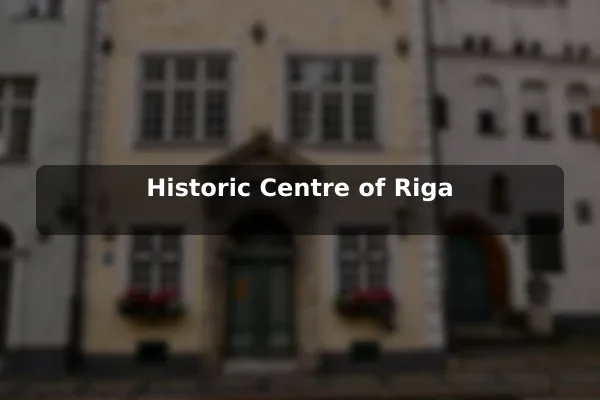
The Historic Centre of Riga is Latvia’s essential heritage starting point, bringing together medieval lanes, guild houses, church spires, and grand civic squares within a UNESCO-listed urban core. It also shows how Riga grew beyond its old walls into one of Europe’s most distinctive architectural capitals.
Visitors can trace the city’s layers around Town Hall Square, Riga Cathedral, St. Peter’s Church, and the House of the Blackheads, then continue toward the boulevards and Art Nouveau streets nearby. Look for carved doorways, restored facades, cobbled courtyards, and skyline views that reveal how compact but varied the city centre is.
Travel tip: Begin early around Town Hall Square and Riga Cathedral, then continue toward the Art Nouveau district before tour groups fill the narrow streets.
Best time to visit: May to September on a weekday morning, ideally 8:00-11:00 for quieter streets and better photography light.
Ticket price: Free to explore outdoors; individual churches, towers, and museums inside the area may charge separate fees.
Riga Art Nouveau Centre
The Riga Art Nouveau Centre makes the city’s celebrated architecture feel personal by placing visitors inside a restored early 20th-century apartment. Its rooms, furnishings, stairwell, and decorative details explain why Riga is considered one of the world’s great Art Nouveau cities.
Inside, visitors can notice how design shaped everyday life, from floral motifs and curved furniture to period clothing and domestic interiors. Outside, the surrounding streets extend the museum experience with elaborate facades, sculpted faces, balconies, and ornamentation high above the pavement.
Travel tip: Pair the museum visit with a self-guided walk along Alberta iela and Elizabetes iela; look up often because many details are above eye level.
Best time to visit: Tuesday to Friday around opening time; June 10, World Art Nouveau Day, may bring special events but also extra demand.
Ticket price: Prices vary by visit type and event; the surrounding Art Nouveau streets are free to walk.
Latvian National Museum of Art
The Latvian National Museum of Art is the country’s leading art museum and the strongest place to follow Latvian visual culture from the 18th century into modern and contemporary work. Its historic building adds to the visit, giving the collection a formal setting that matches its national importance.
Visitors can move through paintings, sculpture, graphic art, and changing displays that show how Latvian artists responded to local identity, European influences, and political change. The upper levels and viewpoints, when open, add a useful sense of Riga’s cultural district beyond the galleries.
Travel tip: Allow time for the permanent collection and the rooftop or upper-level views if available; buy the combined ticket only if you want temporary exhibitions too.
Best time to visit: Weekday late morning or early afternoon, especially outside school holiday periods.
Ticket price: Permanent exhibitions are typically around €7 for adults; combined tickets are usually higher, around €15.
Museum of the Occupation of Latvia

The Museum of the Occupation of Latvia gives travelers a clear, sober introduction to the Soviet and Nazi occupations that shaped Latvia’s 20th century. Its central location makes it accessible, but the subject matter deserves unhurried attention rather than a quick checklist visit.
Visitors can follow personal stories, documents, photographs, and historical exhibits that explain repression, deportations, resistance, exile, and the long road back to independence. The museum is especially valuable for understanding the deeper context behind Latvia’s national memory and public monuments.
Travel tip: Plan this before lighter sightseeing, not as a rushed final stop, because the material is emotionally demanding and benefits from reflection.
Best time to visit: Any season, preferably morning or early afternoon; allow at least 90 minutes.
Ticket price: Adult entry is about €8; some groups and national remembrance dates may have free admission.
Latvian Ethnographic Open-Air Museum
The Latvian Ethnographic Open-Air Museum offers one of the most atmospheric ways to understand rural Latvian life, with historic buildings gathered in a forested lakeside setting on the edge of Riga. Farmsteads, churches, windmills, and workshops show regional traditions that are harder to grasp in a conventional gallery.
Visitors can wander between wooden homes, barns, craft spaces, and seasonal demonstrations while noticing how architecture, tools, and household layouts changed across Latvia’s regions. The large outdoor grounds reward slow exploration, especially when craftspeople, festivals, or folk events bring the site to life.
Travel tip: Wear comfortable shoes and bring a light rain layer, since the museum is spread across a large outdoor forested site.
Best time to visit: Late May to September for the fullest outdoor experience; weekday mornings are easiest for a slower visit.
Ticket price: Adult tickets are generally about €9 in summer and €6 in winter, with discounts for students, seniors, and families.
Rundāle Palace Museum
Rundāle Palace is Latvia’s most elegant aristocratic heritage site, a baroque residence designed with the scale and ceremony of a European court. Its restored halls, gilded interiors, and formal setting make it the country’s grandest palace experience.
Visitors can move from state rooms and private apartments into the French garden, where parterres, rose beds, pergolas, and fountains complete the palace ensemble. Notice how the garden’s geometry frames the building rather than simply decorating it.
Travel tip: If traveling from Riga without a car, check bus connections carefully or use a day tour because public transport can require extra planning.
Best time to visit: Late May to early July for the gardens, or September for fewer crowds; arrive close to opening time.
Ticket price: A palace-and-garden combined adult ticket is commonly around €17; fuller exhibition tickets cost more.
Turaida Museum Reserve
Turaida is more than a castle stop; it is a layered heritage landscape above the Gauja Valley. Medieval ruins, manor buildings, folklore sites, sculpture, and river views come together in one of Latvia’s richest cultural settings.
Visitors can climb the castle tower, explore exhibitions on local history, walk between historic buildings, and pause at Folk Song Hill. The best views reveal how the red-brick castle, wooded slopes, and valley landscape belong to the same story.
Travel tip: Take the train to Sigulda from Riga, then use a local bus, taxi, or a long scenic walk depending on time and fitness.
Best time to visit: May to October, especially weekday mornings; autumn foliage season is beautiful but busier.
Ticket price: Adult admission is about €9 for museum exhibitions; limited open-air evening access may cost less.
Cēsis Medieval Castle and Museum Complex
Cēsis offers one of Latvia’s most atmospheric medieval castle visits, with ruined walls, shadowed passages, and a strong sense of Livonian history. The complex links the castle’s military past with the story of the town that grew around it.
Visitors can explore the towers by lantern, look across the castle park from the upper levels, and continue into the New Castle museum for town history and interiors. Small details, from stone vaulting to worn stairways, make the visit feel unusually tangible.
Travel tip: Use the provided lantern carefully on narrow staircases and leave enough time for both the castle ruins and the New Castle museum.
Best time to visit: May to September for longer hours and summer programming; autumn weekdays are excellent for atmosphere.
Ticket price: Seasonal adult admission varies; recent visitor pricing is commonly around €10-12, so confirm the current official ticket before visiting.
Old Town of Kuldīga
Kuldīga’s UNESCO-listed old town is Latvia’s finest small urban heritage landscape, shaped by timber houses, narrow streets, river views, and the legacy of the Duchy of Courland. It feels lived-in rather than staged, which is central to its appeal.
Visitors can wander the historic streets, cross the brick bridge, and follow the Venta River toward the broad waterfall. Look for restored wooden facades, courtyards, and street patterns that preserve the rhythm of an old Baltic trading town.
Travel tip: Stay overnight if possible, because the town is most atmospheric after day-trippers leave and early morning is ideal for the brick bridge and riverside streets.
Best time to visit: Late spring through early autumn; visit early morning or golden hour for the best light around the Venta River.
Ticket price: Free to walk the old town; small museums, guided walks, or special experiences charge separately.
Daugavpils Fortress and Rothko Museum
Daugavpils Fortress gives Latvia one of its most distinctive heritage districts, where massive 19th-century military architecture now shares space with contemporary culture. The Rothko Museum adds a powerful artistic reason to explore beyond the usual Riga route.
Visitors can walk the ramparts, gates, arsenal buildings, and open squares before entering the museum’s galleries. Inside, Mark Rothko’s legacy, temporary exhibitions, and nearby ceramics displays create a sharp contrast with the fortress’s austere geometry.
Travel tip: Plan Daugavpils as an overnight or long day trip from Riga, and check train times before committing to a same-day return.
Best time to visit: May to September for fortress walks, or any season for the museum; arrive before mid-afternoon to see both comfortably.
Ticket price: The fortress grounds are free; Rothko Museum adult tickets are about €10, or about €16 with Martinsons House.
References
- Latvia Travel – Museums – Official national tourism board overview of notable museums and heritage attractions, useful for selecting and cross-checking recommendations.
- UNESCO World Heritage Centre – Latvia – Authoritative list of Latvia's UNESCO World Heritage properties, including Riga, Kuldiga, and Struve Geodetic Arc.
- UNESCO World Heritage Centre – Historic Centre of Riga – Primary UNESCO reference for Riga's World Heritage status, cultural significance, and heritage facts.
- UNESCO World Heritage Centre – Old Town of Kuldiga – Primary UNESCO reference for Kuldiga's inscription, historical value, protection, and management context.
- National Cultural Heritage Board of Latvia – Official Latvian government authority for cultural monument protection and heritage policy; useful for verifying protected-site status.
