
Grenada’s protected nature areas are compact enough for a one-week trip yet varied enough to feel like several islands in one: rainforest crater lakes, volcanic peaks, turtle beaches, mangrove lagoons, waterfalls, coral gardens, and quiet offshore cays. This article should frame the trip around conservation-minded travel, using official protected-area designations and tourism guidance as the factual backbone.
Plan the article as a practical nature guide rather than a general Grenada sightseeing list. Keep each recommendation focused on how travelers can visit responsibly, what experience makes the place worth prioritizing, when to go, and which fees or tour costs should be checked before setting out.
Grand Etang National Park and Forest Reserve
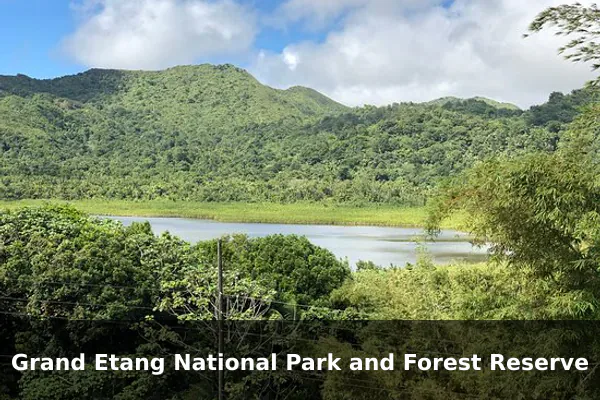
Grand Etang is the centerpiece of Grenada’s protected rainforest network, set inside a volcanic crater in the island’s mountainous interior. The reserve combines a calm crater lake, mist-wrapped ridges, and accessible visitor facilities, making it one of the easiest places to experience true Caribbean rainforest without committing to a difficult expedition.
Visitors can take short loop walks around the lake, attempt longer routes toward Mount Qua Qua or the Seven Sisters waterfalls, and watch for Mona monkeys, hummingbirds, and broad-winged hawks along the trails. The interpretive center near the entrance offers context on the park’s geology, endemic plants, and ongoing forestry work.
Travel tip: Bring a light rain jacket, insect repellent, and shoes with grip because the rainforest trails can be wet even in the dry season.
Best time to visit: Dry season from January to May, ideally morning between 8:00 AM and 11:00 AM before cloud build-up and tour-bus stops peak.
Ticket price: Official visitor fee is listed as XCD 5.34 or USD 2.00; guide fees and transport cost extra.
Levera National Park
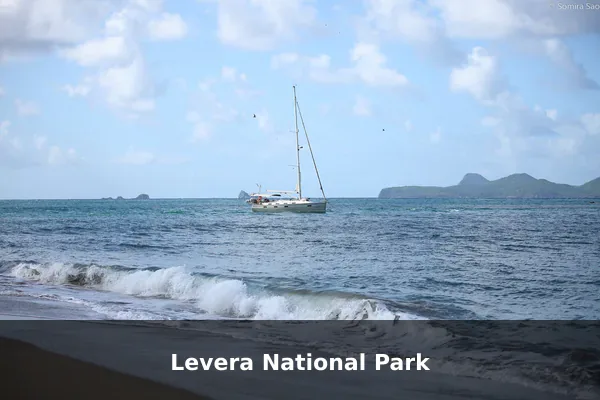
Levera sits at Grenada’s rugged northern tip and protects a rare mosaic of beach, brackish pond, mangrove fringe, and offshore reef. The combination of habitats in a small area gives it ecological weight far beyond its size and makes it one of the most rewarding nature stops outside the central rainforest belt.
Visitors can walk the long sweep of sand opposite Sugar Loaf and Green Islands, scan Levera Pond for herons, egrets, and migratory shorebirds, and join licensed guides during leatherback season to observe nesting females under strict protocols. Snorkelers with calm-sea access can also explore reef patches close to shore.
Travel tip: Do not visit nesting turtles independently at night; use an approved local operator and avoid lights, flash, and beach noise.
Best time to visit: March to July for leatherback turtle season; otherwise early morning on weekdays for birding and quiet beach walks.
Ticket price: General beach and pond access is usually free, but turtle-watching tours, guides, and transfers vary by operator.
High North National Park
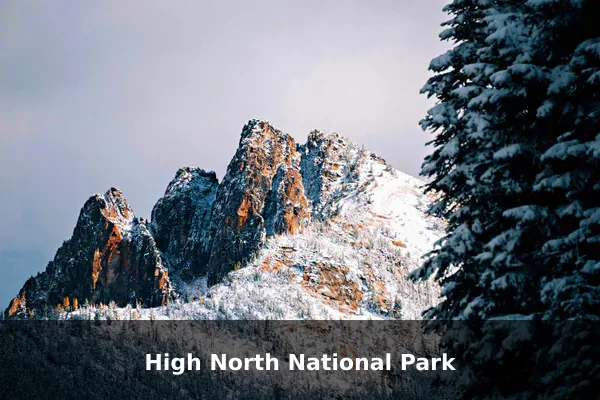
High North is Carriacou’s standout protected area and rises above the island’s dry hills to give a perspective that the lower coastline cannot. Because Carriacou’s climate and vegetation differ sharply from mainland Grenada, the park offers a noticeably different ecology dominated by dry forest, cactus, and hardy shrubs adapted to a drier regime.
Walkers can follow rough tracks toward the summit ridge for sweeping views over Hillsborough, the Tobago Cays, and on clear days neighboring Union Island and Petite Martinique. Birders may spot hooded warblers and tropicbirds, while the slopes reveal traditional small-scale farming and remnants of estate-era stonework.
Travel tip: Hire a local guide if you are unfamiliar with Carriacou trails, and carry more water than you expect to need because shade is inconsistent.
Best time to visit: December to May, starting before 8:30 AM for cooler hiking and clearer views toward nearby islands.
Ticket price: No consistently published public entry fee; local guide, taxi, or transfer prices vary.
Mount St. Catherine National Park
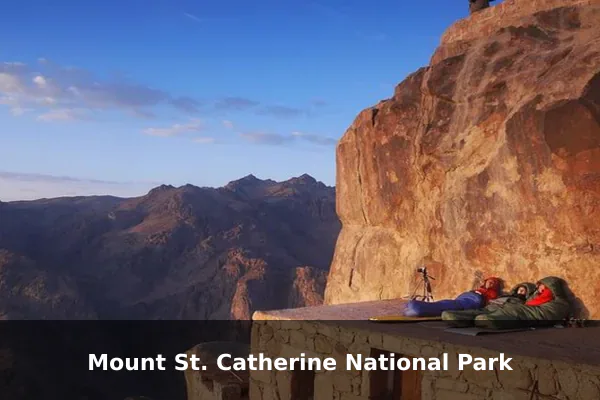
Mount St. Catherine rises to roughly 840 meters and is the tallest point in Grenada, anchoring a rugged protected zone that few casual visitors reach. The combination of steep terrain, cloud forest near the summit, and limited signage means it appeals mainly to fit hikers who want a genuinely wild day out rather than a polished tourist trail.
With a guide, walkers can move through banana and nutmeg cultivation lower down, then into mossy, dripping forest where tree ferns and epiphytes dominate. Clear-weather summit views stretch across the island’s volcanic spine toward Grand Etang and the Atlantic coast, though cloud cover often closes in by mid-morning.
Travel tip: Go with a knowledgeable guide, avoid hiking after heavy rain, and keep electronics in a dry bag because trails can become muddy and exposed.
Best time to visit: Dry season mornings from January to May; start early enough to finish before afternoon showers or low cloud.
Ticket price: No reliable posted entry price; guide and transport costs vary, so confirm with Forestry contacts or a licensed tour operator.
Molinere-Beausejour Marine Protected Area and Underwater Sculpture Park
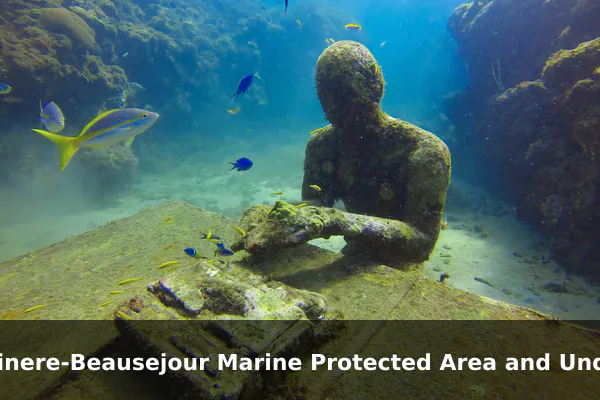
The Molinere-Beausejour Marine Protected Area on Grenada’s sheltered west coast is the country’s flagship marine reserve and home to the world’s first underwater sculpture park. The site pairs active reef restoration with submerged artworks that now act as artificial substrate for corals, sponges, and reef fish, giving snorkelers and divers a unique cultural and ecological experience.
Visitors can join licensed snorkel or dive operators to view installations such as Vicissitudes and the ring of human figures, while spotting parrotfish, sergeant majors, and the occasional turtle over recovering reef. Calm conditions and shallow depths make much of the area suitable for confident swimmers, not only certified divers.
Travel tip: Book with an operator that uses moorings rather than anchoring, and avoid touching sculptures, coral, or marine life.
Best time to visit: Calm-sea mornings in the dry season, especially outside cruise-ship peak hours for better visibility and fewer boats.
Ticket price: The phased MPA user fee is scheduled at USD 3.50 per person per visit until October 1, 2026; tour, snorkel, dive, and boat fees are extra.
Annandale Falls Natural Landmark
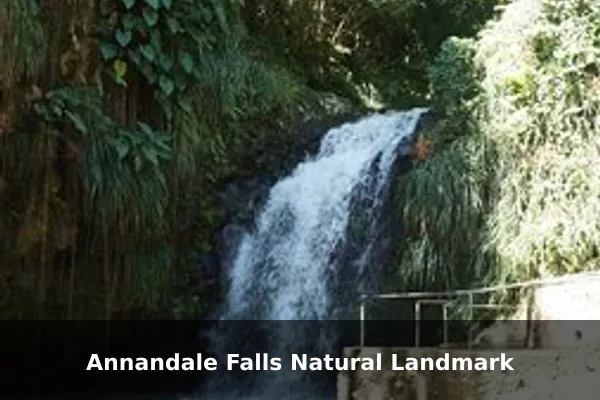
Annandale Falls is one of Grenada’s most accessible waterfalls, sitting just a short drive from St. George’s and reachable via a short, mostly paved path. That convenience makes it a strong fit for cruise visitors, families, or travelers with limited time or mobility who still want a genuine rainforest waterfall experience without committing to a longer hike.
Visitors can take in the roughly 30-foot cascade, swim in the pool below when conditions allow, and watch local divers who sometimes leap from the rocks for tips. The surrounding garden setting also lets travelers observe tropical plants, photograph the falls from viewing platforms, and chat with vendors and informal guides who often share local context.
Travel tip: Arrive early or late in the day to avoid the busiest tour groups, and bring small cash for site fees, vendors, or local guides.
Best time to visit: Morning on weekdays; waterfall flow is often stronger after rain, but paths may be slippery.
Ticket price: A small local entry fee is commonly charged, but prices can change; carry cash and verify on arrival.
Concord Falls Natural Landmark
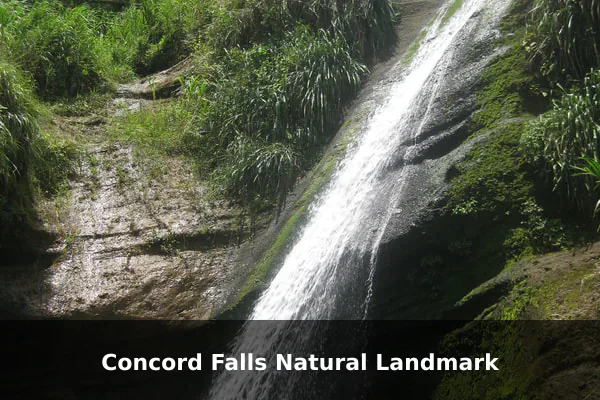
Concord Falls is set in a lush, mountain-fed valley on the western side of the island and offers a layered waterfall system that pairs naturally with Grand Etang trail country. It suits travelers looking to combine a refreshing swim with a deeper rainforest feel, since the upper falls require a guided trek through plantations and forest rather than a roadside stop.
At the first, road-accessible fall, visitors can swim in the pool, photograph the cascade, and browse small stalls selling spices and refreshments. Those continuing inland with a local guide may reach the higher Au Coin and Fontainebleau falls, passing nutmeg and cocoa trees and gaining a closer look at Grenada’s working agricultural landscape.
Travel tip: Wear water shoes or grippy sandals if swimming, and do not rely on mobile coverage for route-finding in the valley.
Best time to visit: Late morning in the dry season for safer road access and warmer swimming conditions.
Ticket price: Small local access, parking, or guide fees may apply; exact prices vary by access point and operator.
Lake Antoine Natural Landmark
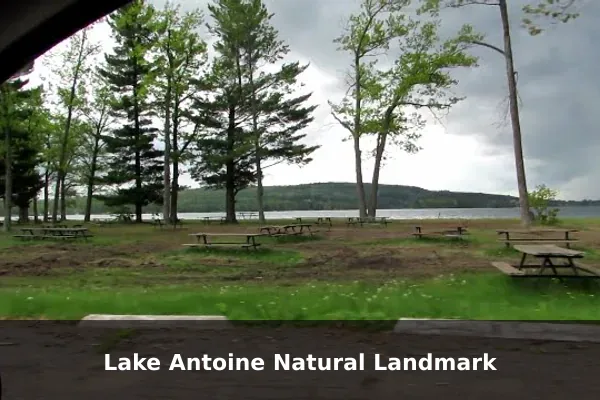
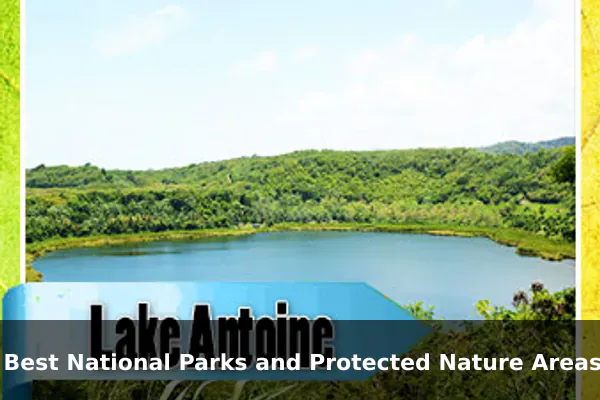
Lake Antoine is a calm crater lake formed in an extinct volcano in Grenada’s northeast, ringed by farmland and low forest. Its quiet, off-the-main-circuit setting makes it valuable for travelers who want a low-effort nature stop focused on birdwatching, photography, and a slower pace away from busier coastal attractions.
Visitors can scan the shoreline and reeds for herons, egrets, and other waterbirds, take in wide views across the caldera, and pair the stop with nearby north-coast sights such as the River Antoine Rum Distillery. The mostly flat surroundings also make it easy to linger for landscape photography without demanding any real hiking.
Travel tip: Combine it with nearby north-coast sights by private driver or rental car, since public transport can be indirect and slow.
Best time to visit: Early morning or late afternoon for softer light, cooler temperatures, and better bird activity.
Ticket price: Roadside viewing is generally free; guided tours, private drivers, and organized excursions vary in price.
La Sagesse Protected Site
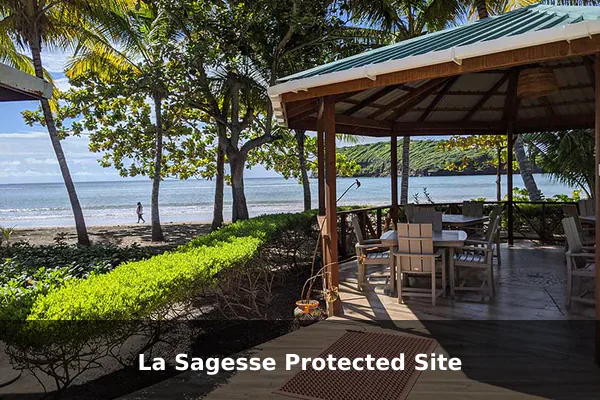
La Sagesse sits on Grenada’s south-east coast and blends a sheltered sandy bay with wetlands, mangroves, and dry coastal woodland. It appeals to travelers who want a calmer alternative to the resort-heavy Grand Anse area, with space to swim, walk, and notice wildlife in a more protected, low-key setting.
Visitors can swim in usually gentle water, follow short trails along the shoreline and behind the beach, and look for shorebirds, herons, and migratory species around the wetland edges. A small local restaurant near the beach also makes it easy to combine a half-day nature visit with a quiet seaside lunch.
Travel tip: Pack sun protection and mosquito repellent, and avoid trampling wetland edges or nesting areas while exploring beyond the beach.
Best time to visit: Weekday mornings or late afternoons in the dry season; birding is best around the quieter edges of the wetland.
Ticket price: General beach access is usually free; restaurant, parking, lounger, or guided nature costs may vary.
Sandy Island and Lauriston Point Protected Site
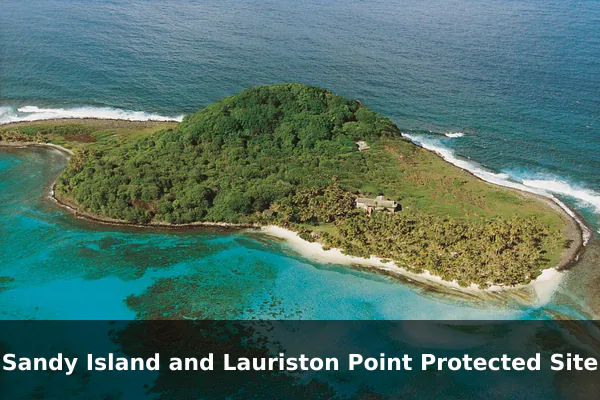
Sandy Island is a tiny, palm-dotted sand cay off Carriacou, paired with Lauriston Point on the main island as part of a designated marine protected area. The combination is worth visiting for its strikingly clear water, fringing reef, and sense of remoteness, offering a snorkeling and beach day that feels very different from mainland Grenada.
Travelers typically reach the island by short water taxi or charter from Hillsborough or nearby beaches, then snorkel over coral and seagrass, watch for reef fish and rays, and relax on the narrow strip of sand. Because the cay is small and fragile, visitors are also encouraged to stick to existing paths, avoid touching coral, and limit their footprint on the dunes.
Travel tip: Use reef-safe sun protection, take all litter back with you, and check sea conditions before committing to a small-boat crossing.
Best time to visit: Dry season mornings when seas are calmer; avoid rough-weather days and check post-storm access conditions locally.
Ticket price: Landing or conservation fees may be handled through boat operators; water taxi, charter, and snorkeling prices vary.
Official references
- Government of Grenada – Forestry and National Parks – Primary government department for Grenada's forests, national parks, protected areas, management contacts, and conservation responsibilities.
- Laws of Grenada – National Parks and Protected Areas Act, Chapter 206 – Official legal basis for designation and management of Grenada national parks and protected areas.
- Grenada Tourism Authority – Pure Grenada – Official tourism board source for visitor-facing logistics, attraction pages, fees, access notes, and travel requirements.
- Grenada Tourism Authority – Grand Etang National Park & Forest Reserve – Official visitor details for Grenada's major rainforest park, including trails, facilities, fees, guides, and natural features.
- Grenada Tourism Authority – Levera National Park – Official travel and nature details for Levera, including lagoon, mangroves, birdlife, reef habitat, and turtle nesting season.
