
Jordan works unusually well for weekend travel because distances are short and landscapes change quickly: Roman streets, desert camps, canyon trails, coral reefs, and spa beaches can all fit into two- or three-day escapes.
This plan keeps each recommendation specific and practical, with realistic timing, ticket expectations, and visitor tips so readers can choose the right short break from Amman, Aqaba, or a wider Jordan itinerary.
Amman Citadel and Downtown Amman

Amman Citadel crowns Jabal al-Qal’a, the highest hill in the Jordanian capital, offering a layered glimpse into thousands of years of history alongside sweeping panoramic views of the white-stone city below. For a weekend traveler, it pairs perfectly with the bustle of Downtown Amman just beneath it, where Roman ruins, lively souks, and aromatic cafes are all within easy walking distance, making it one of the most rewarding short urban escapes in the country.
Visitors can wander among the Temple of Hercules columns, the Umayyad Palace, and the excellent Jordan Archaeological Museum before descending toward the grand Roman Theater and the Nymphaeum. Down in the old quarter, the smell of fresh kunafa from Habibah, the chatter of vendors along King Faisal Street, and the colorful spice stalls of the souk create an atmosphere that turns sightseeing into an unhurried cultural stroll.
Travel tip: Use a taxi or ride-hailing app to reach the Citadel, then walk downhill toward the Roman Theater and downtown souks to avoid the steep climb back up.
Best time to visit: Spring and autumn, especially Friday morning or weekday late afternoon before sunset.
Ticket price: Amman Citadel is about 3 JD for foreign visitors; nearby downtown sites may charge separate small fees.
Jerash Archaeological City
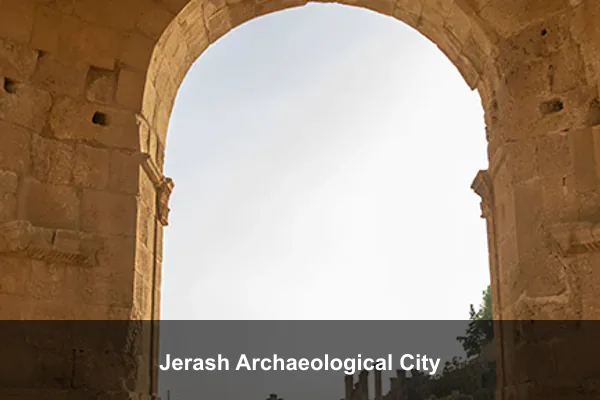
Jerash is one of the best-preserved Roman provincial cities in the world, making it a rewarding weekend escape just an hour north of Amman. Its scale, intact monuments, and walkable layout deliver a concentrated dose of ancient history without the long desert drives required for sites further south, which is exactly what a short trip calls for.
Visitors can walk the colonnaded Cardo Maximus, stand inside the oval Forum ringed by Ionic columns, climb the steps of the Temple of Artemis, and take in panoramic views from the South Theater, where acoustics are still strong enough to carry a whisper. The Hadrian’s Arch entrance, the Nymphaeum fountain, and the hippodrome round out a half-day itinerary that feels remarkably complete.
Travel tip: Start at the visitor center as early as possible and bring sun protection because shade is limited inside the archaeological site.
Best time to visit: March to May or October to November, ideally 8:00-10:00 a.m. before tour groups peak.
Ticket price: About 10 JD for foreign visitors, usually included with the Jordan Pass.
Ajloun Castle and Ajloun Forest Reserve
Tucked into the pine-clad hills of northern Jordan, Ajloun offers a refreshing contrast to the country’s desert landscapes and pairs deep history with lush nature in a single weekend escape. The 12th-century Qal’at Ar-Rabad, built under Saladin’s commanders to guard the region against Crusader advances, crowns a hilltop with sweeping views over the Jordan Valley, while the nearby forest reserve protects one of the last surviving evergreen oak woodlands in the country.
Visitors can wander the castle’s vaulted chambers, towers, and small archaeological museum before heading into the reserve for guided trails such as the Soap House Trail or the Roe Deer Trail, where wildflowers, strawberry trees, and pistachio groves frame the path. Local cooperatives run by Jordanian women showcase handmade soap, biscuits, and calligraphy crafts, giving travelers a chance to support rural livelihoods alongside the hiking and birdwatching on offer.
Travel tip: Combine the castle first with a pre-booked reserve trail afterward, since some reserve activities require advance arrangements.
Best time to visit: April to June for wildflowers and clear views, or September to November for cooler hiking weather.
Ticket price: Ajloun Castle is about 3 JD for foreign visitors; Ajloun Forest Reserve entry is about 8 JD plus tax, with activities priced separately.
Umm Qais Archaeological Site
Perched on Jordan’s northern frontier, Umm Qais rewards weekend travelers with a rare blend of layered history and panoramic landscape. The basalt ruins of ancient Gadara sit on a breezy hilltop where the borders of Jordan, Israel, and Syria meet, offering sweeping views across the Jordan Valley, the Golan Heights, and the shimmering Sea of Galilee in the distance.
Visitors can wander the colonnaded Decumanus Maximus, explore the black basalt theater, and step inside the Ottoman village that crowns the site, now home to a small museum displaying mosaics and statuary unearthed nearby. The terraces are ideal for slow walks and photography, while the cliffside restaurant makes a relaxed spot to take in the valley vista before heading back.
Travel tip: Arrange return transport in advance if traveling independently, as taxis and buses can be limited later in the day.
Best time to visit: Late winter to spring for green hills, especially late afternoon for softer light and cooler temperatures.
Ticket price: About 5 JD for foreign visitors, generally including the site museum.
Madaba Mosaic Map and Mount Nebo
Madaba and Mount Nebo offer one of Jordan’s most rewarding cultural weekends, pairing Byzantine artistry with sweeping biblical landscapes just a short drive south of Amman. Madaba is famed as the City of Mosaics, home to the 6th-century map of the Holy Land preserved on the floor of St. George’s Church, while nearby Mount Nebo holds deep spiritual significance as the place where Moses is said to have first glimpsed the Promised Land.
Visitors can wander Madaba’s quiet old town to admire intricate mosaics inside the Archaeological Park and the Church of the Apostles, then drive up to Mount Nebo for the Memorial Church of Moses and its serrated bronze cross silhouetted against the Jordan Valley. On clear mornings the panorama stretches across the Dead Sea toward Jericho and the hills of Jerusalem, making this a contemplative pause between Jordan’s busier desert and Red Sea highlights.
Travel tip: Base yourself in Madaba if you want an easier airport connection and a quieter alternative to sleeping in Amman.
Best time to visit: Year-round, but spring and autumn mornings are best for clear views from Mount Nebo.
Ticket price: Mount Nebo and Madaba Archaeological Park are each about 3 JD for foreign visitors; church entry fees may vary.
Dead Sea Resort and Panorama Complex
The Dead Sea coast is one of the easiest weekend escapes from Amman, trading hiking boots for bathrobes at the lowest point on Earth. A short drive drops you into a string of resorts perched above mineral-rich water, where the unusual buoyancy and mineral mud make a single afternoon feel genuinely restorative without demanding any effort from you.
Most visitors split their time between floating in the salty water, smearing on the dark therapeutic mud, and retreating to a shaded pool deck or spa treatment as the heat climbs. The nearby Dead Sea Panorama Complex and Lowest Point Museum add context on the region’s geology and ecology, while the western cliffs frame a slow, glowing sunset over the water that quietly justifies the whole trip.
Travel tip: Do not shave right before swimming, avoid getting Dead Sea water in your eyes, and bring water shoes for rocky beach edges.
Best time to visit: October to April for comfortable daytime temperatures; sunset is the best time for views and photos.
Ticket price: Public beach and resort day-pass prices vary widely; the Dead Sea Panorama or Lowest Point Museum may charge a small separate fee.
Wadi Mujib Siq Trail
Wadi Mujib’s Siq Trail delivers one of the Middle East’s most thrilling water hikes, cutting through a narrow sandstone gorge where turquoise streams rush between sheer red cliffs that soar dozens of meters overhead. Set within the Mujib Biosphere Reserve near the Dead Sea, this seasonal route rewards weekend adventurers with a rare blend of desert geology and flowing freshwater found nowhere else in Jordan.
Visitors wade upstream against the current, scramble over polished boulders, and haul themselves up fixed ropes beside cascading waterfalls before reaching a hidden pool at the canyon’s end. Along the way you can spot hanging gardens of ferns, listen to the echo of water amplified by the tight walls, and cool off in deep natural plunge pools before retracing the route back down to the visitor center.
Travel tip: Book ahead in peak season, wear secure water shoes, and keep valuables in a dry bag because the trail involves swimming and wading.
Best time to visit: Usually April to October, with morning slots best before heat and crowds build.
Ticket price: The Siq Trail is about 21 JD plus tax for foreign visitors; guided canyon routes cost more.
Dana Biosphere Reserve and Dana Village
Dana Biosphere Reserve is Jordan’s largest nature reserve, a dramatic sweep of sandstone cliffs, juniper highlands, and deep wadis that descends from cool mountain air down toward the desert floor. The neighboring stone-built Dana Village, perched on the canyon rim, offers a quiet, unhurried atmosphere that pairs perfectly with a slow weekend focused on landscape, wildlife, and starry skies away from city light.
Visitors can set out on rim walks and longer trails such as the descent into Wadi Dana, spot ibex, griffon vultures, and dozens of resident and migratory birds, and meet local guides who share knowledge of the reserve’s plants and Bedouin heritage. Evenings invite simple village dinners, traditional architecture to wander through, and exceptionally clear skies that make stargazing one of the most memorable parts of the stay.
Travel tip: Check trail status before arrival, as some routes require a local guide and weather can affect canyon or valley access.
Best time to visit: March to May and September to November, especially early morning for hikes from Dana Village.
Ticket price: Dana Biosphere Reserve entry is about 10 JD plus tax for foreign visitors; lodging and guided hikes vary by operator.
Petra and Wadi Musa
Petra is Jordan’s signature destination and one of the most rewarding weekend escapes in the country, combining a UNESCO-listed rock-cut city with the comfortable base town of Wadi Musa just minutes from the gate. A single weekend is enough to walk the major monuments without rushing, and the surrounding sandstone landscape, Nabataean engineering, and quiet desert evenings give the trip a sense of scale that day-trippers from Amman rarely experience.
Visitors enter through the narrow Siq, emerge in front of the Treasury, and continue along the Street of Facades to the Royal Tombs carved high into the cliffs. The uphill hike of roughly 800 steps to the Monastery rewards effort with one of Petra’s most dramatic facades and sweeping viewpoints, while back in Wadi Musa travelers can wind down with mezze dinners, rooftop views, and easy access to the gate for an early return the next morning.
Travel tip: Stay overnight in Wadi Musa and enter at opening time so you can reach the Treasury before the busiest day-trip crowds.
Best time to visit: March to May or September to November, ideally from opening time through late afternoon.
Ticket price: Petra is about 50 JD for a one-day ticket for accommodated foreign visitors; two- and three-day tickets cost more.
Wadi Rum Overnight Desert Camp
Wadi Rum delivers Jordan’s most cinematic weekend escape, a vast protected wilderness of red sand corridors, towering sandstone massifs, and natural rock arches that have doubled as Mars in countless films. Its scale feels otherworldly, yet it remains genuinely accessible from Aqaba or Amman, making it ideal for a short break that swaps city pace for silence, open horizons, and some of the clearest night skies in the Middle East.
Travelers typically join a 4×4 jeep route weaving between landmarks like Khazali Canyon, Um Fruth arch, and Lawrence’s Spring, then climb a dune or ridge for sunset over the burning cliffs. Nights are spent in Bedouin-style camps where zarb dinners are cooked underground, tea is poured around the fire, and the Milky Way emerges overhead, often paired with a quiet sunrise walk before the desert heats up.
Travel tip: Confirm what your camp package includes, especially jeep tour length, dinner, transfer from the village, and whether the protected-area fee is covered.
Best time to visit: October to April for cooler desert temperatures; sunset and sunrise are the key viewing times.
Ticket price: Wadi Rum protected-area entry is about 5 JD for foreign visitors; jeep tours and camp stays vary by package.
