
Ireland rewards travelers who look beyond a simple greatest-hits route. This guide focuses on specific places and experiences across the Republic of Ireland, mixing iconic heritage sites, coastal scenery, medieval towns, island adventures, and practical stops that fit naturally into a well-planned trip.
Instead of repeating a generic Ireland itinerary, this plan highlights useful, place-specific angles: where to go, when to visit, how to access each stop, and what local detail can make the experience smoother or more memorable.
Brú na Bóinne: Newgrange and Knowth

Brú na Bóinne in County Meath is essential for ancient history and archaeology, bringing you close to Newgrange and Knowth, two of Ireland’s great prehistoric passage tombs. Visit to see carved stones, monumental mounds, and a landscape older than the pyramids, all interpreted through the visitor centre and guided access. Plan carefully: Newgrange entry is by timed guided allocation, not casual walk-up access, and all site visits use the shuttle from the visitor centre only. Book ahead, especially for morning slots in spring or autumn, when the light, crowds, and travel pace are usually at their best.
| Best for | Ancient history and archaeology |
|---|---|
| Location | County Meath |
| Best time | Morning slots in spring or autumn |
| Access | Shuttle from visitor centre only |
Additional Info: Book ahead, because entry to Newgrange is by guided allocation rather than casual walk-up access.
Glendalough Monastic City and Upper Lake

Glendalough pairs Ireland’s early Christian heritage with one of County Wicklow’s loveliest valley walks, making it ideal for travelers who want ruins and hiking in the same half day. Begin among the round tower, stone churches, and weathered gravestones of the monastic city, then follow the trail toward Upper Lake for mountain views, woodland paths, and a quieter sense of the valley. Weekday mornings from April to October are the best time to visit, and starting at the ruins before walking to the lake helps you avoid the busiest coach-tour window. Access is easiest by car or organized tour, with limited bus links available.
| Best for | Monastic heritage and hiking |
|---|---|
| Location | County Wicklow |
| Best time | Weekday mornings, April to October |
| Access | Car, tour, or limited bus links |
Additional Info: Start at the monastic site before walking to Upper Lake to avoid the busiest coach-tour window.
Kilmainham Gaol

Kilmainham Gaol is one of Dublin’s most powerful places to understand modern Irish history, especially the politics, rebellion, and personal stories behind Ireland’s path to independence. A guided tour leads you through stark cells, echoing corridors, and key sites linked to the 1916 Rising, making it a moving contrast to the city’s lighter attractions. It works in any season, but tickets often sell out days ahead, so reserve online before finalizing your Dublin schedule. Access is straightforward by LUAS or Dublin bus.
| Best for | Irish history and politics |
|---|---|
| Location | Dublin |
| Best time | Any season, book early |
| Access | LUAS or Dublin bus |
Additional Info: Tickets often sell out days ahead, so reserve online before finalizing your Dublin schedule.
Rock of Cashel
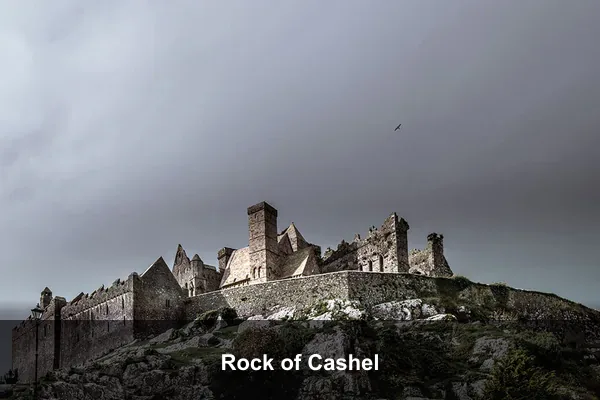
Rising above County Tipperary, the Rock of Cashel is one of Ireland’s most dramatic historic sights, blending ruined towers, a Romanesque chapel, Gothic cathedral walls, and legends of ancient kingship on a windswept hilltop. Visit for castles, ruins, and photography, taking time to wander the medieval complex and frame the surrounding green countryside from its high viewpoints. It is best reached by car, and late afternoon brings softer light across the stonework. For a quieter perspective, pair your visit with nearby Hore Abbey, where the view back toward the Rock is especially atmospheric.
| Best for | Castles, ruins, and photography |
|---|---|
| Location | County Tipperary |
| Best time | Late afternoon for softer light |
| Access | Best reached by car |
Additional Info: Pair it with nearby Hore Abbey for a quieter view back toward the Rock.
Kilkenny Medieval Mile

Kilkenny’s Medieval Mile turns County Kilkenny’s compact historic core into an easy, atmospheric walk through Ireland’s past. Start at Kilkenny Castle, then follow the old streets toward St Canice’s Cathedral so the route builds naturally from grand Norman power to lanes, merchants’ houses, stone churches, and lively pubs. It is best for travelers who want historic streets without complicated logistics: the sights sit close together, and the town rewards slow exploring on foot. May to September evenings are especially appealing, when the light softens the limestone and the day-trip crowds thin. Kilkenny is straightforward to reach by train from Dublin or Waterford, making it a practical stop on a wider Ireland itinerary.
| Best for | Historic streets and easy exploring |
|---|---|
| Location | County Kilkenny |
| Best time | May to September evenings |
| Access | Train from Dublin or Waterford |
Additional Info: Walk from Kilkenny Castle toward St Canice’s Cathedral so the route builds naturally through the old town.
Kinsale Harbour and Charles Fort
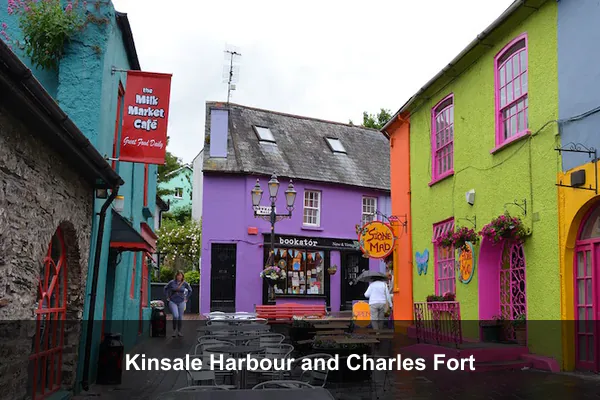
Kinsale Harbour in County Cork blends colorful waterfront streets, sea air, and deep coastal history with one of Ireland’s strongest food scenes. Visit for harbor views, boutique-lined lanes, and Charles Fort, a star-shaped stronghold overlooking the mouth of the harbor. In clear weather, follow the Scilly Walk from town to the fort, then return for fresh seafood in Kinsale’s lively restaurants. Late spring or early autumn brings pleasant weather and fewer crowds, and the town is easy to reach by bus or car from Cork city.
| Best for | Food, harbor views, and forts |
|---|---|
| Location | County Cork |
| Best time | Late spring or early autumn |
| Access | Bus or car from Cork city |
Additional Info: Take the Scilly Walk to Charles Fort if weather is clear, then return to town for seafood.
Slea Head Drive, Dingle Peninsula
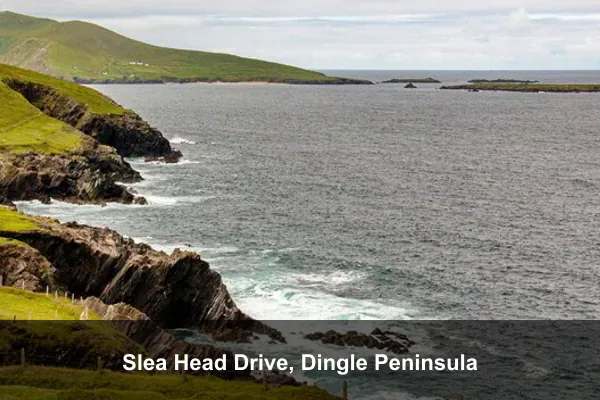
Slea Head Drive is one of County Kerry’s great coastal experiences, a compact loop of Atlantic cliffs, sandy coves, ancient stone sites, and wide island views on the Dingle Peninsula. Visit for scenic driving and easy coastal stops, with time to pause at beaches, roadside viewpoints, and historic remains that give the route its wild, layered character. Clear days from May to October are best, when the ocean colors and distant Blasket Islands are at their sharpest. You can explore by car, bike, or local tour, but if driving, start in Dingle town and go clockwise to make the narrowest sections feel less stressful.
| Best for | Scenic drives and coastal stops |
|---|---|
| Location | County Kerry |
| Best time | Clear days, May to October |
| Access | Car, bike, or local tour |
Additional Info: Drive clockwise from Dingle town to reduce stress on the narrowest sections of the road.
Skellig Michael Boat Trip
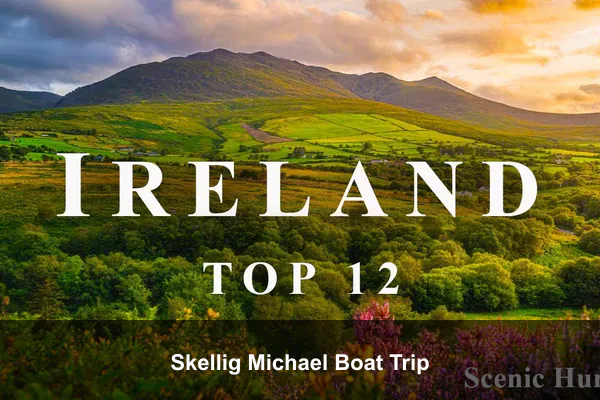
A Skellig Michael boat trip is one of Ireland’s most memorable island adventures, combining wild Atlantic scenery with the haunting remains of an early Christian monastery off County Kerry. Boats typically depart from Portmagee or Ballinskelligs during the May to September sailing season, with landing tours allowing time to climb the steep stone steps and explore the beehive huts high above the sea. Because access is tightly limited and trips are often cancelled by rough conditions, book early, check the forecast, and keep a flexible backup day in your Ireland itinerary.
| Best for | Island adventure and heritage |
|---|---|
| Location | Off County Kerry |
| Best time | May to September sailings |
| Access | Boat from Portmagee or Ballinskelligs |
Additional Info: Landing tours are limited and often cancelled by sea conditions, so keep a flexible backup day.
Kylemore Abbey and Victorian Walled Garden
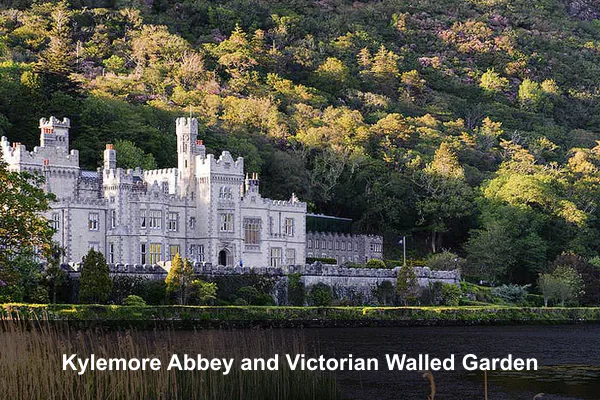
Kylemore Abbey and Victorian Walled Garden brings Connemara’s drama into one elegant County Galway stop, with a lakeside abbey framed by wooded slopes, mountains, and reflective water. Visit for architecture, garden walks, and polished scenery: tour the abbey rooms, pause at the Gothic church, then continue to the restored walled garden during its June to September peak season. Most travelers arrive by car or on a Connemara day tour, and it is worth allowing extra time for the garden shuttle, since the walled garden sits apart from the main abbey area.
| Best for | Gardens, scenery, and architecture |
|---|---|
| Location | County Galway |
| Best time | June to September garden season |
| Access | Car or Connemara day tour |
Additional Info: Allow time for the garden shuttle, because the walled garden is separate from the main abbey area.
Slieve League Cliffs
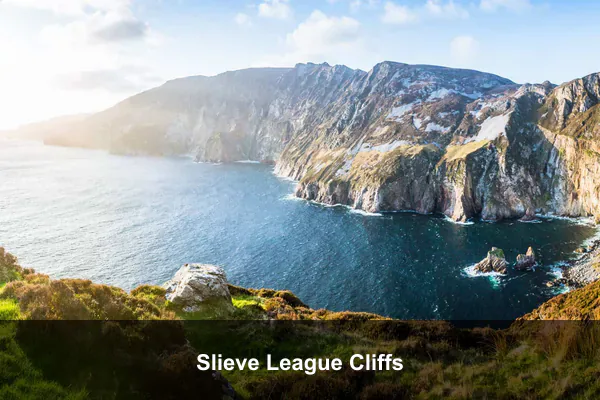
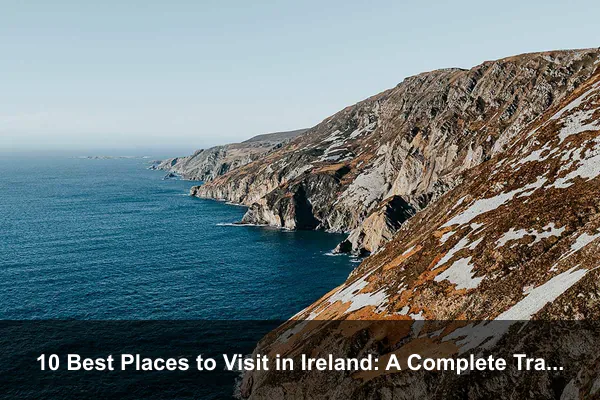
Slieve League Cliffs in County Donegal offer a raw, less crowded alternative to Ireland’s famous cliff viewpoints, with vast Wild Atlantic views and hiking routes above some of Europe’s highest sea cliffs. Visit on dry, calm summer days for the clearest scenery and safest walking, then take time at the main viewpoint before exploring nearby trails if conditions allow. Access is easiest by car to the visitor area, with a shuttle available onward; check wind conditions before hiking farther, as exposed sections can feel intense.
| Best for | Wild Atlantic views and hiking |
|---|---|
| Location | County Donegal |
| Best time | Dry, calm days in summer |
| Access | Car to visitor area and shuttle |
Additional Info: Check wind conditions before hiking beyond the main viewpoint, as exposed sections can feel intense.
Tips Before You Go
Build your Ireland route around realistic travel times rather than map distance. Rural roads can be narrow, weather can slow coastal days, and several of the best experiences require advance booking, especially Kilmainham Gaol, Brú na Bóinne, and Skellig Michael.
Pack waterproof layers, reserve accommodation early for summer and bank-holiday weekends, and keep at least one flexible day if your plan depends on boats, hikes, or cliff viewpoints. A rental car helps for Kerry, Donegal, Wicklow, and Connemara, while Dublin, Kilkenny, and parts of Cork are easier to combine with public transport.
