
Belize may be famous for its reefs and rainforests, but it also holds one of the richest concentrations of ancient Maya history in Central America. Scattered across jungle foothills, river valleys, and coastal plains, the country’s archaeological sites range from towering pyramids that once rivaled their neighbors in Guatemala and Mexico to small ceremonial centers known for extraordinary jade and carved monuments. Alongside these ancient ruins, the colonial heart of Belize City preserves landmarks that tell the story of the country’s later British and Creole heritage.
This guide highlights ten of the most rewarding historical places to visit in Belize, covering legendary Maya cities, lesser-known ruins, and key colonial-era landmarks. For each site you will find a clear focus, a practical visiting tip, the best time to go, and guidance on likely entry costs. Because opening hours and fees can change, always confirm current details with the Belize Institute of Archaeology or the Belize Tourism Board before you travel, and consider hiring a licensed local guide to bring each site’s deep history to life.
Caracol Archaeological Reserve
Caracol is the largest known Maya city in Belize, sprawling across the forested Chiquibul plateau and once rivaling great centers like Tikal. Its centerpiece, the towering Caana or ‘Sky Palace,’ still ranks among the tallest human-made structures in the entire country, making the long journey to this remote site feel genuinely rewarding for anyone drawn to ancient history.
Visitors can climb Caana for views over an unbroken jungle canopy, study carved stelae and altars that record the city’s dynastic victories, and explore plazas, ball courts, and residential groups spread across the reserve. The surrounding rainforest is alive with birds, howler monkeys, and the occasional toucan, so the experience blends serious archaeology with rich wildlife watching.
Travel tip: The remote jungle road requires a high-clearance 4×4 and, at times, a convoy escort, so join an organized tour from San Ignacio rather than driving alone.
Best time to visit: Dry season (late January to May), early morning soon after the site opens around 8:00 AM to beat heat and afternoon rain.
Ticket price: A modest entry fee for non-residents is typical; confirm current rates with the Institute of Archaeology as prices vary.
Xunantunich
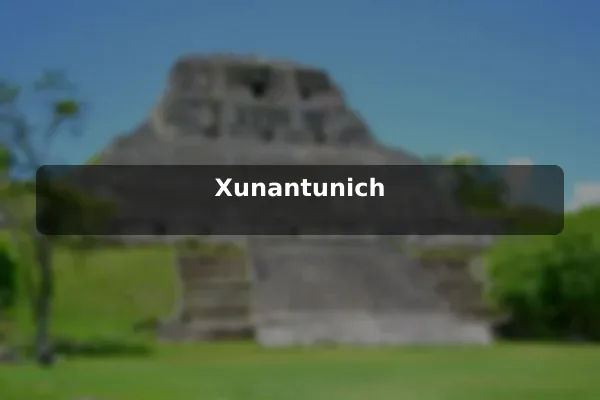
Xunantunich is one of Belize’s most accessible and rewarding Maya sites, set on a natural limestone ridge near the Guatemalan border. It is best known for ‘El Castillo,’ a steep pyramid whose summit delivers sweeping panoramas across the Mopan River valley and into neighboring Guatemala, offering a memorable payoff without the long jungle trek other sites demand.
At the top of El Castillo, visitors can examine reconstructed stucco friezes depicting astronomical and royal symbolism, while the plazas below reveal temples, an old ball court, and elite residences. The compact, well-maintained layout makes it easy to walk the whole core in a few hours, and the breezy hilltop is a pleasant spot to pause and take in the scenery.
Travel tip: Reach the site via the free hand-cranked ferry across the Mopan River near San Jose Succotz, then walk or drive the short hill to the entrance.
Best time to visit: Year-round; visit in the morning during the dry season for clear views and cooler climbing conditions.
Ticket price: A small per-person admission fee applies for foreign visitors; confirm current pricing locally.
Altun Ha

Altun Ha is a compact and remarkably photogenic Maya site whose tidy plazas and stepped temples make it one of Belize’s most recognizable ruins. It earned lasting fame as the find-spot of a carved jade head representing the sun god Kinich Ahau, one of the largest Maya jade objects ever recovered and a national cultural treasure.
Visitors can climb the principal temples for clear views over the lowland landscape, inspect the central ceremonial plazas, and learn how this trading and ritual hub connected to wider Maya networks. Its modest size means the highlights are easy to absorb in a couple of hours, leaving time to appreciate the carvings, tombs, and the surrounding tropical setting.
Travel tip: Its proximity to Belize City makes it an easy half-day trip and a popular cruise excursion, so arrive early to avoid tour-group crowds.
Best time to visit: Dry season mornings; weekdays are generally quieter than cruise-ship days.
Ticket price: An entry fee for non-residents is standard; prices vary, so verify before visiting.
Lamanai
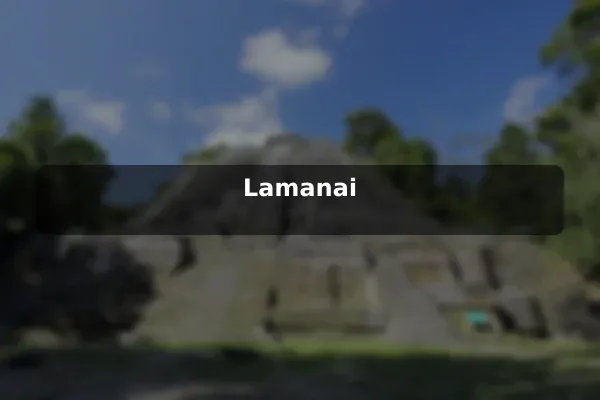
Lamanai is a striking riverside Maya city set along the New River Lagoon, distinguished by an exceptionally long occupation that stretched well into the colonial period. The journey by boat through mangrove-lined waterways is part of its appeal, building anticipation before the temples emerge from the surrounding jungle.
At the site, visitors can admire the dramatic Mask Temple, with its large stone deity faces, and climb the High Temple for views over the lagoon and forest. Nearby stand a residential complex, a ball court, and the remains of Spanish-era churches, while the riverbanks and treetops offer frequent sightings of crocodiles, herons, and noisy troops of monkeys.
Travel tip: Take the New River boat tour from near Orange Walk Town, which doubles as a wildlife-spotting trip for crocodiles and birds.
Best time to visit: Dry season; depart on a morning boat tour for the best wildlife sightings and to finish before midday heat.
Ticket price: Site admission is charged separately from boat-tour fees; confirm both as prices vary.
Cahal Pech

Cahal Pech crowns a hill above San Ignacio and was once the royal residence of an elite Maya family, giving it an intimate, palace-like character quite different from the country’s grander ceremonial centers. Its long history of occupation makes it one of the oldest known sites in the Belize River valley, offering valuable insight into early Maya settlement.
Visitors can wander a tightly clustered maze of courtyards, narrow passageways, temples, and residential rooms that reveal how an elite household lived and ruled. A small on-site museum helps interpret the architecture and finds, and the shaded, leafy setting makes it a quiet, atmospheric place to explore at a relaxed pace.
Travel tip: It is within walking distance of central San Ignacio, making it ideal if you have no vehicle, though the final uphill stretch is steep.
Best time to visit: Late afternoon for softer light and cooler temperatures; open during standard daytime hours.
Ticket price: A small entrance fee applies; check current rates on arrival.
Lubaantun
Lubaantun stands apart from other Maya cities in Belize because its ceremonial structures were raised from carefully fitted black slate blocks laid without mortar, a building technique rarely seen elsewhere in the lowlands. Its location in the rolling hills of the Toledo District, paired with the persistent legend of the disputed Crystal Skull said to have been found here, gives the site a distinctive aura that draws curious travelers into Belize’s deep south.
Visitors can climb the terraced platforms and pyramids that overlook the surrounding forest, study the precision of the mortarless masonry up close, and picture the ball courts and plazas that once anchored community life. Interpretive details about the site’s relatively short Late Classic occupation help frame what set this southern center apart from its neighbors.
Travel tip: Combine it with a visit to a nearby Maya village in the Toledo District and consider a guide to explain the unique building techniques.
Best time to visit: Dry season (February to April); mornings before afternoon showers common in the wetter south.
Ticket price: A modest admission fee is typical for foreign visitors; prices vary.
Nim Li Punit

Nim Li Punit may be modest in footprint, but it holds an outsized place in Maya art for its remarkable collection of carved stone stelae, including one of the tallest recorded anywhere in the Maya world. The intricately worked monuments, several depicting elaborately dressed rulers in headdresses, make this small Toledo site a rewarding stop for anyone interested in ancient inscriptions and royal imagery.
Visitors can walk among the standing and reclining stelae sheltered on site, examine the detailed glyphs and figures, and explore the surrounding plazas and tombs set on a breezy ridge. The compact layout means much of the significance is concentrated in a single, manageable visit.
Travel tip: It sits just off the Southern Highway near Indian Creek, making it an easy roadside stop on the way to or from Punta Gorda.
Best time to visit: Year-round during daytime hours; dry-season mornings are most comfortable.
Ticket price: A small entry fee applies; confirm the current amount locally.
El Pilar Archaeological Reserve
El Pilar is one of the largest Maya sites in the Belize River area, and its unusual binational setting straddling the Belize-Guatemala border makes it a fascinating example of how a single ancient city spanned what are now two countries. Rather than clearing the ruins fully, conservators have deliberately left much of the architecture cloaked in forest, creating a quiet blend of archaeology and protected jungle.
Visitors can follow marked trails that link plazas, temples, and residential groups while passing through dense canopy alive with birds and wildlife. The reserve’s approach rewards those who enjoy walking and observing the relationship between the ruins and the living forest that surrounds them.
Travel tip: The access road past Bullet Tree Falls can be rough, so check conditions and consider a 4×4 or guided trip from San Ignacio.
Best time to visit: Dry season for passable roads; arrive in the morning to walk the trails before the heat builds.
Ticket price: Entry is often low-cost or by modest fee; confirm with reserve management as it varies.
Cerros (Cerro Maya)
Cerros, also known as Cerro Maya, is a striking coastal site that flourished as a Late Preclassic trading center positioned to control river and sea routes along Corozal Bay. Its early date and waterside location make it unusual among Belize’s Maya sites, offering insight into long-distance commerce centuries before the better-known Classic-era cities rose to prominence.
Visitors can explore temple platforms decorated with the remnants of large stucco masks, wander the plazas near the shoreline, and take in sweeping views across the bay. The setting, where ancient architecture meets the water, gives the visit a character quite different from inland ruins.
Travel tip: Access is easiest by boat across the bay from Corozal Town; arrange a local boatman or tour as the land route can be difficult.
Best time to visit: Dry season; calm-weather mornings make the boat crossing smoother.
Ticket price: A small site fee may apply; prices vary, so confirm before arranging transport.
St. John's Cathedral, Belize City
St. John’s Cathedral is widely recognized as the oldest Anglican cathedral in Central America, and its weathered red-brick walls offer a tangible link to Belize’s era as a British colony. Built largely with bricks brought over as ships’ ballast, the church is a rare and enduring landmark of colonial-era architecture in the heart of Belize City.
Visitors can step inside to admire the mahogany woodwork, historic plaques, and the simple yet dignified sanctuary that still serves an active congregation. The cathedral’s long history, including its role in early colonial ceremonies, rewards a quiet and respectful look around when services are not underway.
Travel tip: Pair it with a walk past the nearby Government House (House of Culture) and dress modestly out of respect for the active place of worship.
Best time to visit: Daytime visiting hours outside of services; weekday mornings are calmest.
Ticket price: Entry is generally free, though donations to support upkeep are welcomed.
References
- Belize Tourism Board (Travel Belize) – Official national tourism board with destination guides, travel logistics, and information on Belize's archaeological and historical attractions.
- Institute of Archaeology, National Institute of Culture and History (NICH) – Government heritage body that manages Belize's Maya archaeological sites and reserves; authoritative for official site names, opening hours, entry fees, and protected-area rules.
- UNESCO World Heritage Centre – International authority listing Belize's World Heritage and tentative-list sites, useful for verifying cultural and historical significance.
- Encyclopaedia Britannica – Vetted reference source for accurate historical and geographic context on Belize and its ancient Maya sites.
- Lonely Planet – Belize – Established travel publication providing practical visitor information, site descriptions, and travel tips for historical destinations in Belize.
