
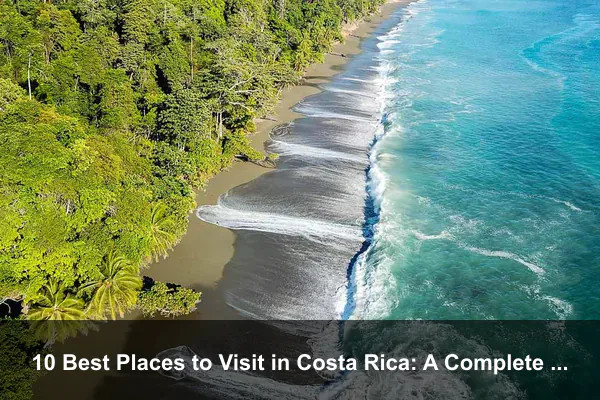
Costa Rica rewards travelers who plan by ecosystem, not distance: a short transfer can move you from misty cloud forest to volcano foothills, turtle canals, or Pacific surf towns. This guide frames the 10 best places to visit in Costa Rica around practical trip-building, so each stop has a clear reason to earn space in an itinerary.
Use it to balance wildlife, beaches, hiking, hot springs, and culture without repeating the same kind of experience. The plan keeps every recommendation inside Costa Rica and favors places where travelers can make smart choices about season, access, and time on the ground.
Arenal Volcano National Park and La Fortuna Hot Springs
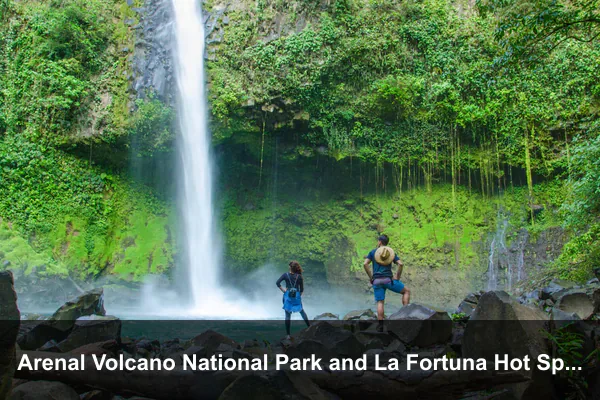
Arenal Volcano National Park is one of Costa Rica’s best stops for volcano views, hot springs, and soft adventure, with easy trails near La Fortuna crossing rainforest, lava fields, and lookout points. Set in the northern lowlands, it works well as a balanced day: hike in the morning while the cone is more likely to be clear, then book hot springs for late afternoon before clouds build around the volcano. Access is straightforward by car or shuttle, about a 3 hr drive from San Jose or Liberia, with Dec-Apr offering the clearest volcano views.
| Best for | Volcano views, hot springs, soft adventure |
|---|---|
| Location | Northern lowlands near La Fortuna |
| Best time | Dec-Apr for clearer volcano views |
| Access | 3 hr drive from San Jose or Liberia |
Additional Info: Book hot springs for late afternoon so you can hike before clouds build around the volcano.
Monteverde Cloud Forest Reserve

Set in the Tilaran Mountains above Santa Elena, Monteverde Cloud Forest Reserve is one of Costa Rica’s best places for cool, mist-wrapped trails, birding, and canopy walks. Visit for hummingbirds flashing through the forest, mossy paths alive with orchids and ferns, and suspension-bridge viewpoints that put you level with the treetops. February to April usually brings drier trails, though the cloud forest stays damp and breezy, so carry a light jacket even in warm months. Most travelers arrive by road transfer or use the scenic lake-boat link from Arenal.
| Best for | Cloud forest, birding, canopy walks |
|---|---|
| Location | Tilaran Mountains above Santa Elena |
| Best time | Feb-Apr for drier trails |
| Access | Road transfer or lake-boat link from Arenal |
Additional Info: Carry a light jacket even in warm months because wind and mist make the reserve feel cooler.
Manuel Antonio National Park
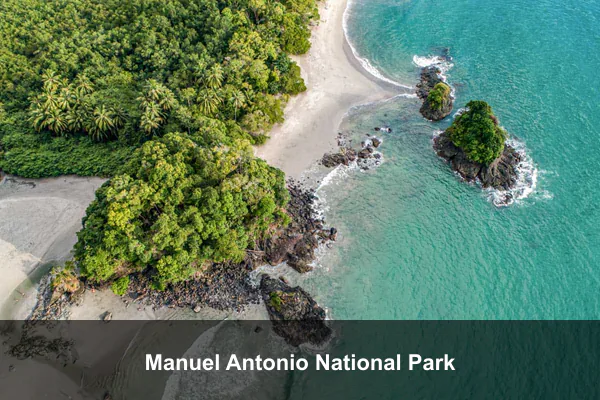
Manuel Antonio National Park packs Costa Rica’s classic wildlife-and-beach experience into an easy day on the Central Pacific coast near Quepos. Short, family-friendly trails wind through rainforest where sloths, capuchins, howler monkeys, and iguanas are often seen, then spill out to calm coves made for swimming and lingering between walks. Visit from December to April for the most reliable beach weather, and plan ahead because entry uses timed tickets; buses and taxis run from Quepos, or you can drive. Bring only permitted food and keep it in sealed bags, as monkeys regularly patrol the picnic areas.
| Best for | Sloths, monkeys, beaches, families |
|---|---|
| Location | Central Pacific coast near Quepos |
| Best time | Dec-Apr for beach weather |
| Access | Timed ticket; bus or drive from Quepos |
Additional Info: Bring only permitted food and use sealed bags because monkeys patrol picnic areas.
Tortuguero National Park Canals
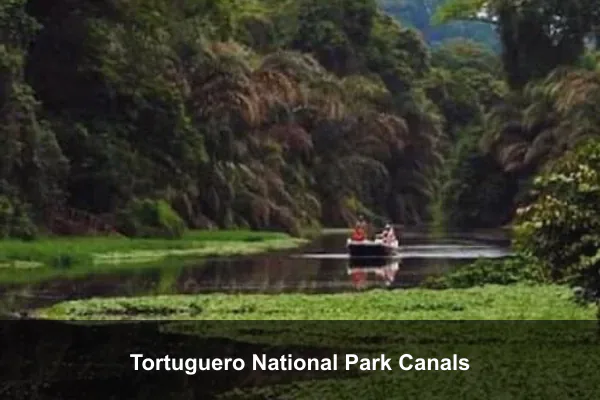
Tortuguero National Park Canals are one of Costa Rica’s best places for boat-based rainforest travel, with quiet waterways winding through jungle rich in birds, caimans, monkeys, and turtles. On the northern Caribbean coast in Limon, the park is best explored by boat safari, with dawn paddle or electric canoe tours offering the calmest conditions and better wildlife sightings. Visit from July to October for green turtle nesting on the beaches, and plan ahead because access is part of the adventure: arrive by boat from La Pavona or take a small plane to reach this remote wetland escape.
| Best for | Turtles, canals, birds, boat safaris |
|---|---|
| Location | Northern Caribbean coast, Limon |
| Best time | Jul-Oct for green turtle nesting |
| Access | Boat from La Pavona or small plane |
Additional Info: Choose a quiet paddle or electric canoe tour at dawn for better bird and caiman sightings.
Corcovado National Park, Osa Peninsula
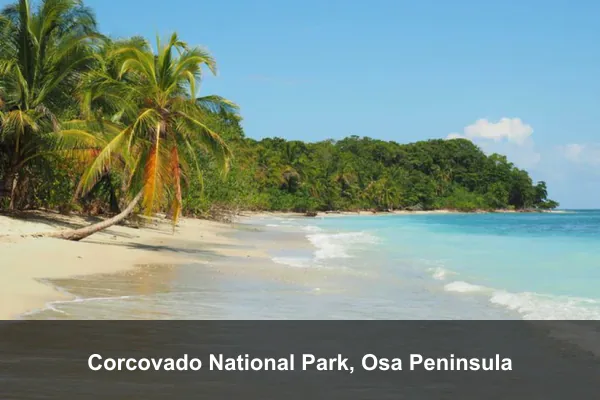
Corcovado National Park is the Osa Peninsula at its most untamed, a remote lowland rainforest where serious wildlife seekers come for tapirs, scarlet macaws, monkeys, and the chance of rare predator sightings. Guided entry is required, with trips typically starting from Drake Bay or Puerto Jimenez, so plan a full-day hike or station-to-station excursion rather than a quick stop. Visit from December to April for easier trail conditions, and stay at least two nights nearby to make the long transfer worthwhile.
| Best for | Remote rainforest, tapirs, serious wildlife |
|---|---|
| Location | Osa Peninsula, southwest Costa Rica |
| Best time | Dec-Apr for easier trail conditions |
| Access | Guided entry from Drake Bay or Puerto Jimenez |
Additional Info: Stay at least two nights near Drake Bay or Puerto Jimenez so the long park transfer is worthwhile.
Tenorio Volcano National Park and Rio Celeste
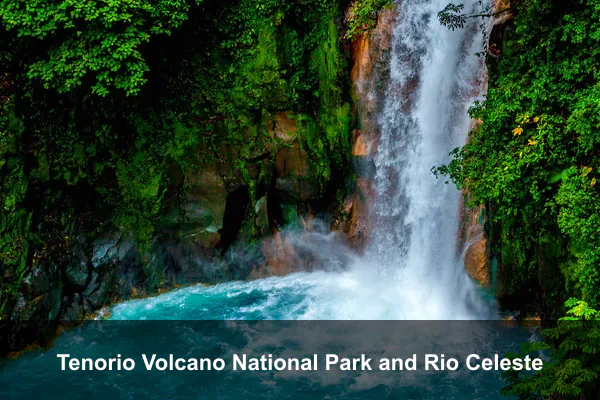
Tenorio Volcano National Park is worth the trip for Rio Celeste, a jungle river famed for its vivid blue color created by volcanic minerals. From the park trailhead near Bijagua in northern Costa Rica, hike through rainforest to the waterfall viewpoint, then continue along muddy forest paths to see steaming vents, river bends, and photo-worthy pools. Visit from December to April for the best chance of clearer water, and check recent rainfall before you go, as heavy rain can temporarily dull the river’s blue glow.
| Best for | Waterfalls, jungle trails, photography |
|---|---|
| Location | Bijagua area, northern Costa Rica |
| Best time | Dec-Apr for clearer water color |
| Access | Drive to Bijagua, then park trailhead |
Additional Info: Check recent rainfall before going because heavy rain can temporarily dull the river's blue color.
Rincon de la Vieja National Park
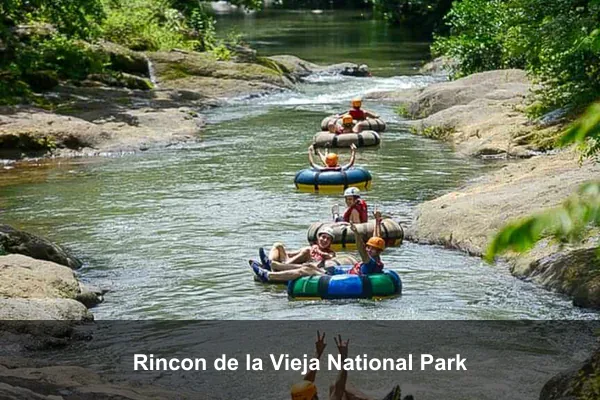
Rincon de la Vieja National Park is one of Costa Rica’s best places to experience volcanic landscapes without venturing far from Guanacaste’s main travel hub. Set northeast of Liberia, about a 45-60 minute drive away, the park rewards hikers with bubbling mud pots, steaming fumaroles, dry forest trails, waterfalls, and rugged terrain shaped by the active volcano. Las Pailas is the easiest sector for a first visit, with accessible trails linking the park’s geothermal highlights, while Santa Maria is better for travelers seeking a quieter soak. Visit from December to April for drier trails and smoother hiking conditions.
| Best for | Volcanic features, hiking, waterfalls |
|---|---|
| Location | Guanacaste, northeast of Liberia |
| Best time | Dec-Apr for drier trails |
| Access | 45-60 min drive from Liberia |
Additional Info: Las Pailas is the easiest sector for a first visit, while Santa Maria suits travelers wanting a quieter soak.
Cahuita National Park and Punta Cahuita Reef
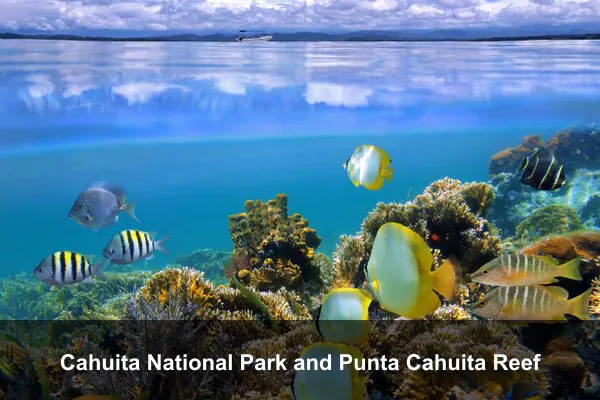
Cahuita National Park and Punta Cahuita Reef offer one of Costa Rica’s easiest Caribbean escapes, where sandy trails, calm beach walks, and frequent wildlife sightings make the pace feel unhurried. Start at the Kelly Creek entrance to follow the coastal path through forest and along quiet coves, watching for monkeys, sloths, and tropical birds. If you want to snorkel the reef, arrange a licensed local guide for legal and safe access to the coral, especially around Punta Cahuita. September and October usually bring calmer Caribbean seas, while nearby Cahuita village adds Afro-Caribbean food, music, and a relaxed base. You can reach the park by bus or car from Limon or Puerto Viejo.
| Best for | Snorkeling, beach walks, easy wildlife |
|---|---|
| Location | South Caribbean coast near Cahuita |
| Best time | Sep-Oct for calmer Caribbean seas |
| Access | Bus or drive from Limon or Puerto Viejo |
Additional Info: Start at the Kelly Creek entrance and arrange a local reef guide if you want to snorkel legally and safely.
Marino Ballena National Park, Uvita
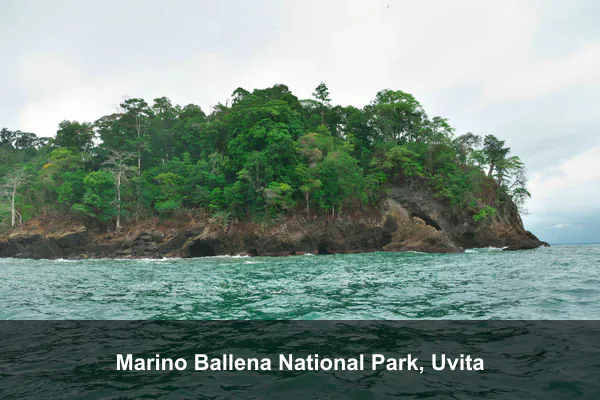
Marino Ballena National Park in Uvita is a standout on Costa Rica’s southern Pacific coast, where long beaches, glowing sunsets, kayaking, and seasonal humpback whales define the visit. Time a boat tour for the whale seasons, July to October and December to March, then plan your beach walk around low tide to see the park’s famous whale-tail sandbar fully outlined and safer to cross. Access is straightforward by following the coastal highway to the Uvita park entrances, making it an easy stop for travelers linking Pacific beach towns with wilder southern-coast scenery.
| Best for | Whales, beaches, sunsets, kayaking |
|---|---|
| Location | Uvita, southern Pacific coast |
| Best time | Jul-Oct and Dec-Mar for whales |
| Access | Coastal highway to Uvita park entrances |
Additional Info: Visit the whale tail sandbar near low tide, when its shape is visible and walking is safer.
Poas Volcano National Park
Poas Volcano National Park is one of Costa Rica’s easiest big-nature day trips, pairing a dramatic crater viewpoint with short, accessible walks in the Alajuela highlands of the Central Valley. Just about a 1.5-hour drive from the San Jose area, it fits neatly into an arrival or departure day, especially if you add time for nearby highland coffee country. Visit from December to April for the clearest odds, and reserve the earliest slot you can, because clouds often cover the crater later in the morning.
| Best for | Crater views, short walks, day trips |
|---|---|
| Location | Alajuela highlands, Central Valley |
| Best time | Dec-Apr, especially early morning |
| Access | 1.5 hr drive from San Jose area |
Additional Info: Reserve the earliest slot you can, because clouds often cover the crater later in the morning.
Tips Before You Go
Book popular national parks, guided wildlife walks, and turtle or whale tours early, especially from December to April and around school holidays. Distances can look short on the map, but mountain roads, ferry routes, and afternoon rain can slow transfers, so build buffer time into travel days.
Pack light rain gear, quick-dry layers, reef-safe sunscreen, closed-toe shoes, and cash for small towns or community-run entrances. Hire certified local guides where wildlife or trail rules matter, stay on marked paths, and never feed animals, even when they seem used to visitors.
