
Armenia is compact enough for ambitious day trips, but its protected landscapes are far more varied than a simple country overview can show. This article plan focuses on national parks, state reserves, and official sanctuaries where travelers can experience forests, wetlands, highland lakes, semi-desert habitats, alpine meadows, and rare wildlife corridors.
The angle is deliberately nature-first: practical access, seasonal timing, conservation-aware behavior, and realistic expectations for permits or guided visits. Official Ministry of Environment and Armenia Travel guidance should anchor the final article, with cautious wording where entry rules, routes, and prices may change.
Dilijan National Park Forest Trails
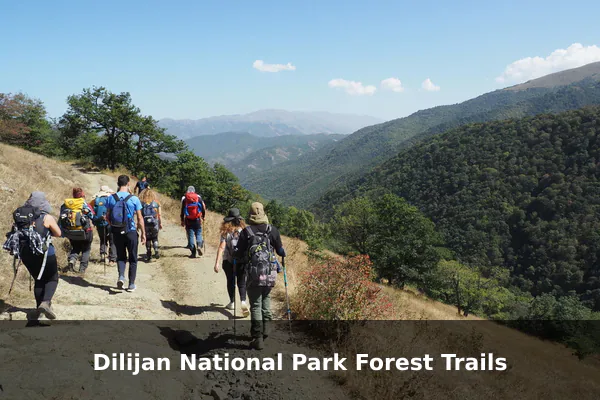
Dilijan National Park is often called Armenia’s “little Switzerland” for its dense beech and oak forests, mineral springs, and a cooler microclimate that contrasts sharply with the hot Ararat plain. The park is worth a visit for travelers who want a gentler, greener side of Armenia, combined with medieval monasteries such as Haghartsin and Goshavank set directly inside the forest.
Visitors can follow marked routes like the Transcaucasian Trail segments connecting villages, viewpoints, and monastic complexes, or take shorter walks to lakes and seasonal waterfalls near the town. Birdsong, wild herbs, and shaded picnic spots make the park especially rewarding for slow exploration rather than a single rushed stop.
Travel tip: Start at the Dilijan Tourist Information Centre or check current trail notes before hiking, because weather and trail maintenance can change quickly in the forest.
Best time to visit: Late May to October, especially weekday mornings from 8:00 to 11:00 for cooler hiking and fewer visitors.
Ticket price: Many public trail areas are typically free, but guided hikes, transport, and some nearby attractions may cost extra; confirm locally.
Sevan National Park, Artanish Peninsula
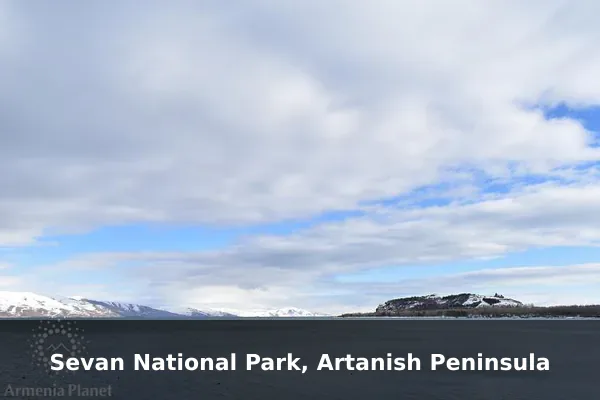
The Artanish Peninsula sits on the less-developed northeastern side of Lake Sevan, where Sevan National Park protects a mix of high-altitude steppe, juniper woodland, and dramatic shoreline cliffs. It is worth seeking out for travelers who want sweeping lake panoramas, quieter beaches, and a stronger sense of the protected area beyond the crowded southern resorts.
From here visitors can scan the water for Armenian gulls and migrating waterbirds, drive or hike up to ridge viewpoints over the lake’s deep blue expanse, and continue toward remote churches and small fishing settlements. The peninsula is also a useful base for combining swimming, light hiking, and stargazing on clear nights at over 1,900 meters of elevation.
Travel tip: Bring sun protection, windproof layers, and enough water, as the exposed lakeshore and peninsula trails can feel much harsher than Yerevan.
Best time to visit: June to September for lake views and outdoor activities; early morning or late afternoon gives softer light and calmer conditions.
Ticket price: General lakeshore access is usually free, while boat trips, parking, private beaches, and activity rentals vary by operator and season.
Lake Arpi National Park Birdwatching Route
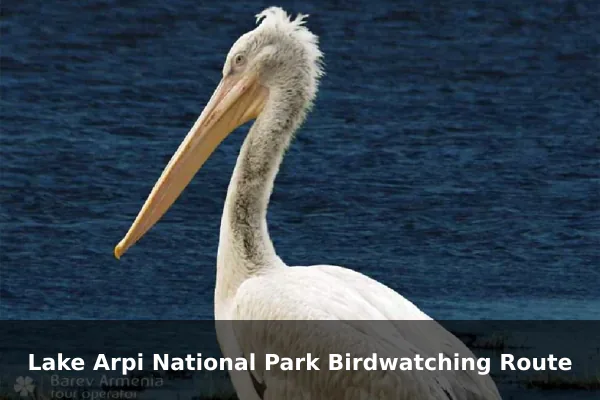
Lake Arpi National Park, in the high Shirak plateau near the Georgian border, is one of Armenia’s most important wetland reserves and a key breeding site for the Armenian gull and Dalmatian pelican. It is worth the detour from Gyumri for travelers who care more about wide-open landscapes, rural village life, and serious birdwatching than about heavy tourist infrastructure.
Visitors can scan the lake and surrounding marshes for pelicans, gulls, ducks, and storks, walk through summer wildflower meadows, and arrange visits to traditional Armenian and Yezidi communities nearby. Cool nights, big skies, and minimal light pollution also make the area attractive for photographers and travelers seeking a slower pace.
Travel tip: Carry your passport and contact the visitor center in advance if you plan to camp, rent gear, or explore beyond the most obvious lake access points.
Best time to visit: May to July for birdwatching and wildflowers; winter visits are possible but require cold-weather planning and road checks.
Ticket price: Entry conditions and visitor-center services can vary; camping, guesthouse stays, and rentals are priced separately.
Arevik National Park from Meghri
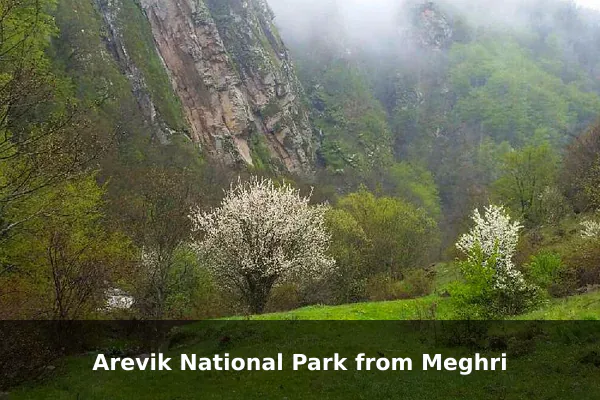
Arevik National Park, in Armenia’s far-southern Syunik region, protects rugged ridges, deep river valleys, and rare arid woodlands close to the Iranian border. It is worth visiting as part of a longer Syunik trip because it forms a key part of the Caucasus wildlife corridor, supporting species such as the Caucasian leopard, bezoar goat, and brown bear in habitat that feels strikingly different from northern Armenia.
From the small town of Meghri, visitors can travel into the park to see steep canyons, juniper and oak slopes, and traditional mountain villages, often combining the trip with stops at Meghri’s historic churches and orchards. The remote terrain rewards careful, slow travel with strong chances of spotting raptors, reptiles, and unusual plant life along the way.
Travel tip: Use a local guide and a capable vehicle, as access from Meghri can involve rough roads and limited services.
Best time to visit: April to June and September to October, when temperatures are more comfortable and the southern landscapes are easier to explore.
Ticket price: Prices vary for guiding, transport, and any required arrangements through the managing protected-area organization.
Khosrov Forest State Reserve Waterfall Route
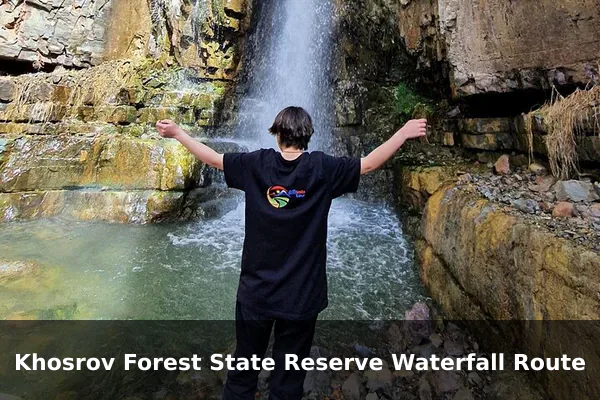
Khosrov Forest State Reserve, founded in the 4th century as a royal hunting ground, is one of the oldest protected areas in the world and a cornerstone of Armenia’s natural heritage. It is worth visiting for its mix of dramatic canyons, juniper forests, and seasonal waterfalls, set within a strictly managed reserve that still shelters wild goats, vultures, and other sensitive species.
Visitors who arrange permits can follow designated routes to waterfalls, rock formations, and viewpoints over the Azat and Khosrov river gorges, often within reach of Garni and Geghard as part of a longer day trip from Yerevan. Quiet trails, archaeological traces, and a strong sense of wilderness make the reserve especially rewarding for travelers interested in conservation and landscape rather than easy sightseeing.
Travel tip: Arrange entry and payment before arrival, keep your receipt, and consider a guided tour because some routes are not open to casual independent visitors.
Best time to visit: Spring for fuller waterfalls or winter for frozen scenery; visit during daylight hours with enough time to exit before dusk.
Ticket price: A small official entrance fee is usually required, with guided tours priced separately; confirm the latest payment method before going.
Shikahogh State Reserve Buffer-Zone Forests
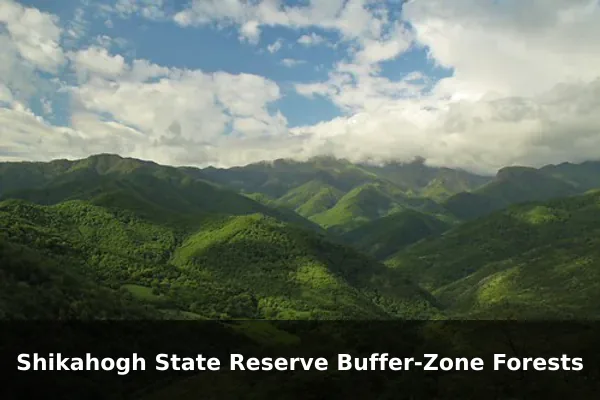
The buffer-zone forests around Shikahogh State Reserve give travelers a rare chance to experience one of Armenia’s least-disturbed woodland landscapes, set deep in the southern Syunik region and tied into the broader Zangezur Biosphere Complex. The reserve is widely recognized for sheltering rare species and old-growth forest cover, which makes even a managed visit to its surrounding zones feel meaningfully different from more developed nature destinations.
Visitors who arrange a guided buffer-zone walk can take in dense oak and hornbeam stands, narrow forest tracks, and viewpoints that hint at the deeper protected interior. Birdsong, small streams, and signs of larger wildlife in the area help frame the conservation story behind the reserve, while local guides can explain why core sections remain off-limits and how the Zangezur Biosphere Complex coordinates protection across the wider landscape.
Travel tip: Treat this as a guided or carefully arranged nature visit rather than a casual walk-in destination, since core reserve access may be restricted.
Best time to visit: May to June and September to October, when forest conditions are pleasant and summer heat is less intense.
Ticket price: Access and guiding costs vary; contact the managing organization or local guides for current visitor rules and fees.
Erebuni State Reserve Wild Cereal Steppe
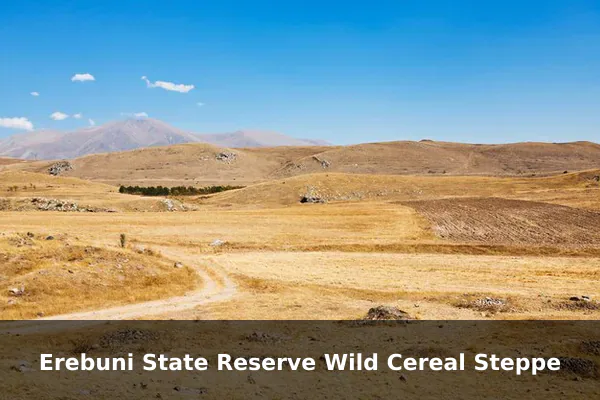
Erebuni State Reserve is an unusual close-to-Yerevan stop, set aside specifically to protect wild relatives of cultivated cereals such as wheat on a compact patch of foothill steppe. For travelers interested in plant heritage, conservation science, or simply a quieter contrast to the capital’s busier sights, this small reserve offers a focused look at a habitat that almost no other destination in the region highlights.
On a spring morning visit, attentive travelers can notice wild grains, low-growing steppe flowers, lizards moving over warm stones, and birds typical of dry open country. Because the value of the site lies in subtle botanical detail rather than dramatic scenery, going with a naturalist guide makes a real difference, turning what could feel like an ordinary grassy slope into a clear story about plant origins and protected steppe ecosystems.
Travel tip: Visit with a naturalist guide if possible, because the reserve’s value is subtle and easy to miss without botanical context.
Best time to visit: April to early June, especially morning hours when spring plants are most visible and temperatures remain manageable.
Ticket price: Public access details may vary; confirm with the Reserve Park Complex or a licensed guide before planning a visit.
Zangezur State Sanctuary Alpine Wildlife Corridor
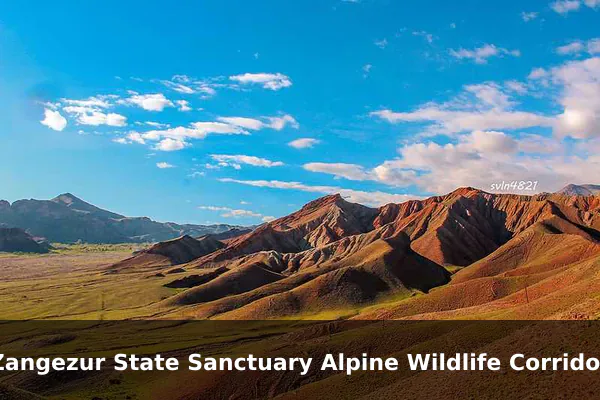
Zangezur State Sanctuary sits high in the mountains of Syunik and functions as a key alpine wildlife corridor inside the wider Zangezur Biosphere Complex. For serious nature travelers, this is one of the more compelling areas in Armenia, valued for its rugged ridges, summer pastures, and role in protecting habitat for hard-to-see mountain species rather than for built tourism infrastructure.
With local expertise, visitors can explore high-elevation meadows, rocky slopes, and clear streams while learning how the sanctuary connects with neighboring protected areas to keep migration routes open. Long views over the southern mountains, the chance to spot raptors overhead, and detailed explanations from guides about habitat protection make the trip rewarding, provided travelers respect altitude, weather, and any access rules in place.
Travel tip: Plan this with local expertise, layered clothing, and conservative route choices because elevations are high and weather can change abruptly.
Best time to visit: July to September for the most reliable alpine access; begin early in the day to avoid afternoon weather shifts.
Ticket price: Prices vary for guides, vehicles, and any required permissions; verify current access rules with the Zangezur Biosphere Complex.
Plane Grove Sanctuary near Tsav
The Plane Grove Sanctuary near Tsav, in southern Armenia, protects an unusual riverside stand of Oriental plane trees that have grown along the valley for a long time. Its appeal lies in scale and atmosphere rather than fame, offering a quiet, shaded forest setting that feels distinct from Armenia’s better-known highland and lake destinations and works well for travelers who appreciate small, specific protected sites.
Walking under the broad canopy, visitors can take in the texture of mottled plane-tree bark, cool air near the river, and birdsong filtering through the leaves. The grove pairs naturally with other Syunik stops, and a short visit gives a clear sense of why this particular habitat is treated as worth protecting, especially when a local guide can point out tree ages, river dynamics, and seasonal changes.
Travel tip: Combine it with a Syunik nature itinerary and ask locally about road conditions before driving, especially after rain.
Best time to visit: May to October, with late spring and early autumn offering the most comfortable walking conditions.
Ticket price: Entry is often treated as free or low-cost, but guided access and transport prices vary; confirm before arrival.
Goravan Sands State Sanctuary

Goravan Sands State Sanctuary, set near the Ararat region, protects a small but striking semi-desert landscape of sandy slopes and dryland vegetation. For travelers who have already seen Armenia’s forests, alpine meadows, and lake shores, this sanctuary stands out as a chance to experience a completely different ecosystem, one shaped by heat, wind, and specialized plants and animals adapted to arid conditions.
Early-morning or late-afternoon visits reveal subtle desert colors, tracks of small animals in the sand, and hardy shrubs that hold the dunes in place, with views toward the surrounding plain and distant peaks. Careful walking on marked or locally suggested routes helps protect fragile habitat, while a knowledgeable guide can explain which species the sanctuary was created to safeguard and why dryland conservation matters in this part of Armenia.
Travel tip: Wear closed shoes, avoid the hottest part of the day, and be cautious around dryland wildlife and fragile habitats.
Best time to visit: April to May or September to October; go early morning or late afternoon for safer temperatures and better photography light.
Ticket price: Typically free to view from accessible public approaches, but guided nature walks and transport costs vary.
Official references
- Republic of Armenia Ministry of Environment – National Parks – Primary government source for Armenia's national parks, including establishment dates, areas, locations, protected objects, and management-plan links.
- Republic of Armenia Ministry of Environment – State Reserves – Primary source for Khosrov Forest, Shikahogh, and Erebuni state reserves, with official area, location, subordination, and protected-object facts.
- Republic of Armenia Ministry of Environment – Sanctuaries – Official inventory of Armenia's state sanctuaries and protected nature areas beyond national parks and reserves.
- Republic of Armenia Ministry of Environment – Organizations under the Ministry – Official contact and administrative source for SNCOs managing Sevan, Dilijan, Lake Arpi, Khosrov Forest, Zangezur Biosphere Complex, and related protected areas.
- Armenia Travel – National Parks in Armenia – Official tourism-board guidance for traveler-facing recommendations, access notes, activities, visitor centers, and practical tips.
