
Beyond the glass towers of Manama, Bahrain hides a quieter side shaped by palm groves, coral-stone houses, fishing harbors, and centuries-old craft traditions. The kingdom’s small islands and inland settlements are compact enough to explore in a long weekend, yet each village carries its own atmosphere, from the pearl-diving heritage of Muharraq to the pottery kilns of A’ali and the freshwater springs that once made the desert bloom.
This guide highlights ten scenic villages and small towns where travelers can slow down, meet local artisans, photograph traditional architecture, and experience everyday Bahraini life. Practical details such as opening hours, ticket pricing, and seasonal advice can change, so it is best to confirm with the Bahrain Tourism and Exhibitions Authority or the Bahrain Authority for Culture and Antiquities before visiting. Dress modestly, carry water, and plan most outdoor exploration outside the intense midday sun.
Muharraq Old Town and the Pearling Path
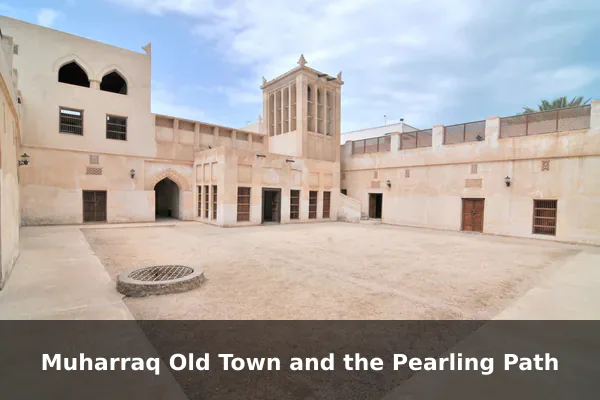
Muharraq Old Town offers one of the most evocative walks in the Gulf, tracing a UNESCO-inscribed route that connects restored coral-stone merchant houses, mosques, and oyster storehouses tied to Bahrain’s pearling heritage. The narrow lanes preserve a layered sense of place that big-city districts rarely keep, making it a rewarding stop for travelers interested in maritime history and traditional Bahraini architecture.
Visitors can wander between properties such as the Siyadi House and other heritage buildings along the signposted path, pausing at small museums, courtyards, and shaded majlis spaces. Look for ornate gypsum windows, wooden doors, and interpretive panels that explain how pearl divers, captains, and traders shaped the town’s social fabric.
Travel tip: Start at Bu Maher Fort and follow the Pearling Path signage on foot; wear comfortable shoes for narrow lanes and uneven stone surfaces.
Best time to visit: November to March, late afternoon until sunset to avoid heat and capture golden light on the coral-stone facades.
Ticket price: Free to walk the public route; individual heritage houses typically charge a small admission, prices vary, confirm with culture.gov.bh.
A'ali Village and the Traditional Pottery Workshops
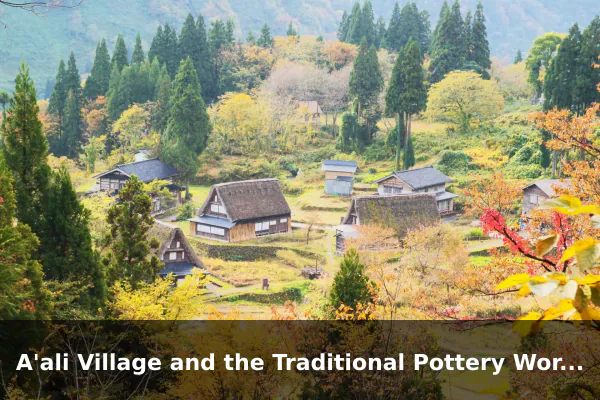
A’ali is one of Bahrain’s most distinctive craft villages, where family-run kilns have shaped clay for generations beside fields of ancient burial mounds. The combination of a living artisan tradition with a prehistoric landscape gives the village an unusual depth that appeals to travelers seeking both culture and history in a single stop.
In the workshops, visitors can watch potters throw clay on simple wheels, glaze water jars and incense burners, and load the dome-shaped kilns that still operate on the village edge. Many studios display finished pieces for sale, from small decorative bowls to large garden planters reflecting traditional Gulf shapes.
Travel tip: Visit a working kiln in the morning when artisans are shaping clay, and ask permission before photographing craftsmen at work.
Best time to visit: October to April, weekday mornings between roughly 9:00 and 12:00 when workshops are most active.
Ticket price: Free to browse the village and workshops; pottery purchases vary by size and design.
Bani Jamra Weaving Village
Bani Jamra is a quiet inland village that has long been associated with Bahrain’s handloom weaving tradition, producing colorful cotton and silk fabrics once worn across the islands. Its low-rise streets and modest workshops offer a glimpse of a craft that has largely disappeared elsewhere in the region, making it a meaningful detour for travelers interested in textile heritage.
Inside the workshops, visitors can watch weavers operate pit looms set into the floor, working with bright threads to create scarves, shawls, and traditional garment lengths. Artisans often explain the patterns and dye choices, and finished textiles are sold directly, giving travelers a chance to bring home a piece made on the same loom they observed.
Travel tip: Call ahead through a local guide or the tourism authority, as weaving demonstrations are not always running on demand.
Best time to visit: Cooler months from November to March, mid-morning visits when natural light is best inside workshops.
Ticket price: Free entry to the village; textiles and scarves are sold directly by weavers, prices vary.
Karbabad Basket-Weaving Village

Karbabad sits in a palm-shaded pocket near the northern coast and is best known for its basket-weaving tradition, which transforms locally harvested date palm fronds into everyday and decorative objects. The village retains a calm, residential feel and offers an authentic counterpoint to Manama’s modern districts, especially for travelers drawn to handmade crafts.
Visitors can stop at small family workshops to see artisans split, soak, and weave palm leaves into baskets, food covers, mats, and fans. Many pieces are sold on the spot, and a short walk through the surrounding palm groves reveals how closely the craft is tied to the trees that line the village paths.
Travel tip: Combine the visit with the nearby Qal'at al-Bahrain site and bring small cash for handmade souvenirs.
Best time to visit: November to early April, late mornings when several family workshops are open.
Ticket price: Free to wander; handmade palm-frond crafts are sold individually, prices vary.
Qal'at al-Bahrain Village and Archaeological Harbor
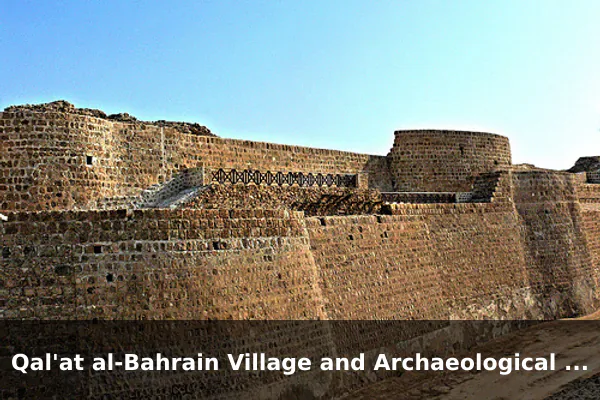
The hamlet around Qal’at al-Bahrain sits beside one of the country’s most important UNESCO-listed sites, where layered ruins of a fort and ancient harbor rise above palm groves and the shallow sea. The setting blends archaeology, coastal scenery, and quiet village life, making it one of the most atmospheric small destinations on the island.
Walking the site, visitors can explore the restored fort walls, look down into excavated trenches that reveal earlier Dilmun-era settlements, and follow paths toward the old harbor edge. The adjacent site museum displays artifacts recovered from the mound, helping connect the views outside to the deeper history beneath the surface.
Travel tip: Pair the fort visit with a sunset walk along the shoreline path; check current opening hours on whc.unesco.org or the site museum.
Best time to visit: October to March, late afternoon for soft light on the fort walls and cooler temperatures.
Ticket price: Outdoor site access is generally free; the on-site museum charges a small fee, prices vary, confirm locally.
Sar Village and the Heritage Trails
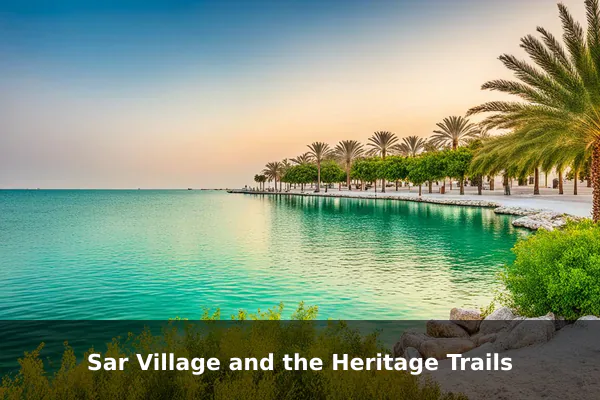
Sar is a quiet residential village on the route toward Bahrain’s west coast, surrounded by one of the country’s most extensive prehistoric burial fields and pockets of shaded date palm gardens. The combination of everyday village life with internationally studied archaeological landscapes, documented by the Bahrain Authority for Culture and Antiquities, makes it an unusual stop for travelers interested in heritage without crowds.
Visitors can wander the residential lanes, observe the contrast between modest homes and the surrounding mound fields, and pause at marked viewpoints to take in the scale of the burial complexes. Birdsong in the palm gardens, the soft light over the mounds at dawn, and small neighborhood mosques give the area a contemplative atmosphere best appreciated on foot.
Travel tip: Hire a licensed local guide if you want context on the archaeological areas, and avoid walking off marked paths.
Best time to visit: November to March, early morning before 10:00 for cool temperatures and quiet trails.
Ticket price: Free to visit the village and public heritage areas.
Jaww and Al Dur Coastal Hamlets
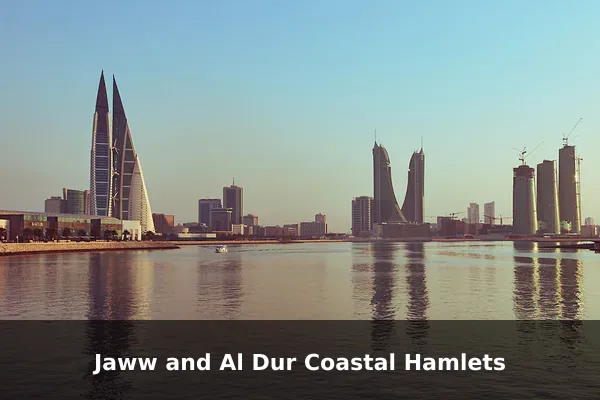
Jaww and Al Dur sit along Bahrain’s southeastern shore, where small fishing settlements meet mangrove-fringed inlets and open tidal flats. These hamlets retain a slower, traditional pace that is increasingly rare on the main island, and the surrounding coastline is recognized for its ecological value alongside scattered archaeological traces noted by the Bahrain Authority for Culture and Antiquities.
Travelers can watch fishermen prepare nets at the water’s edge, follow quiet village roads toward the shore, and look out for migratory and resident shorebirds feeding among the mangroves. Soft dawn and dusk light shifts across the shallow water, and the openness of the coastline gives a clear sense of how Bahraini communities have long depended on the sea.
Travel tip: A rental car is the easiest way to reach these areas; bring sun protection as shade is limited along the coast.
Best time to visit: Late autumn to early spring, around sunrise or sunset for the best light and bird activity.
Ticket price: Free to explore public beaches and village roads.
Askar Village and the Southern Beaches
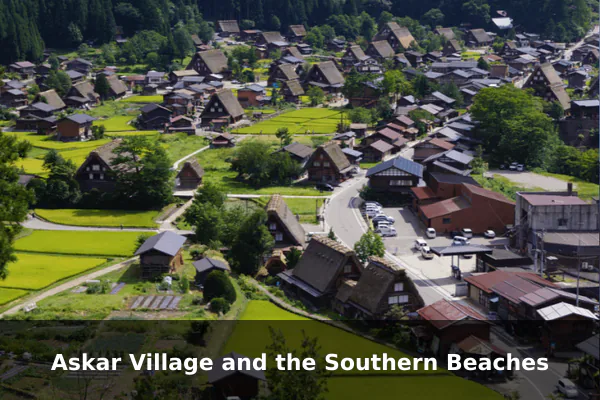
Askar is a southeastern coastal village known for long sandy stretches, unhurried cafes, and uninterrupted views toward the open Gulf. It offers a relaxed alternative to Bahrain’s busier urban beaches, with a mix of public shoreline and private beach clubs that draws weekend visitors looking for sea air without a long drive from Manama.
Visitors can stroll along the sand, take in the wide horizon, and stop at small cafes for tea or light meals between swims. The shoreline is good for casual walking and photography, while families often gather in the late afternoon when temperatures ease and the light over the water turns warm and golden.
Travel tip: Respect local customs by wearing modest beachwear away from designated resort beaches.
Best time to visit: October to April, weekday afternoons for the quietest beach experience.
Ticket price: Public beach access is free; some private beach clubs charge entry, prices vary.
Barbar and the Ancient Temple Village
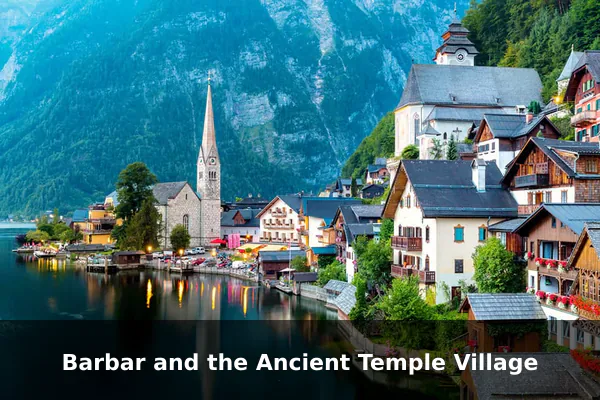
Barbar is a small northern village best known for the Barbar Temple complex, a layered archaeological site set among palm gardens and freshwater channels and documented by the Bahrain Authority for Culture and Antiquities. The setting, where ancient stone structures sit alongside still-active agricultural plots, gives travelers a tangible sense of Bahrain’s long continuity between water, worship, and daily life.
Visitors can walk the marked paths around the temple platforms, read on-site interpretation panels, and observe the freshwater springs that historically supported the site. Beyond the temple, the surrounding lanes pass through gardens and modest homes, offering a quiet glimpse of village rhythms in one of the island’s most historically significant northern areas.
Travel tip: Combine with nearby Diraz and Bani Jamra in a single morning loop; carry water as on-site facilities are limited.
Best time to visit: November to March, mornings from opening until midday for cooler exploration.
Ticket price: Generally free or low-cost entry to the archaeological site, prices vary, confirm with culture.gov.bh.
Jasra Village and the Handicrafts Centre
Jasra is a western village notable for its dedicated handicrafts centre, where artisans demonstrate traditional skills such as weaving, woodwork, basketry, and palm-leaf crafts. The centre is supported as part of Bahrain’s wider cultural heritage programs, making the village a practical place to see living craft traditions rather than only museum displays.
Visitors can watch craftspeople at work, browse finished pieces, and in many cases speak directly with the artisans about their techniques and materials. The surrounding village streets are calm and walkable, with low-rise homes and small shops that round out a short cultural visit focused on Bahraini craft.
Travel tip: Visit on a weekday to see live demonstrations, and ask staff which workshops are scheduled that day.
Best time to visit: October to April, late morning to early afternoon during regular weekday opening hours.
Ticket price: Modest entry fee at the handicrafts centre, prices vary; village streets are free to explore.
Official references
- Bahrain Tourism and Exhibitions Authority – Official national tourism board with verified information on destinations, villages, cultural sites, and visitor guidance across Bahrain.
- Bahrain Authority for Culture and Antiquities – Official government authority providing accurate information on heritage villages, traditional towns, archaeological sites, and cultural facts.
- Kingdom of Bahrain eGovernment Portal – Official government portal with verified administrative, geographic, and logistical information about regions, municipalities, and small towns.
- UNESCO World Heritage Centre – Authoritative source for UNESCO-listed sites in Bahrain (e.g., Qal'at al-Bahrain, Pearling Path in Muharraq) relevant to historic villages and towns.
- Bahrain Information & eGovernment Authority – Statistics – Official source for demographic, geographic, and governorate-level data useful for verifying town locations and population details.